DISCOVER THE WORLD OF MUSICAL THEATRE WITH ME
DISCOVER THE WORLD OF MUSICAL THEATRE WITH ME


Lizzie's story is reclaiming her own power learning that hope doesn’t have to come from someone else. This is her journey to empowerment.
In the musical "110 in the Shade", Lizzie Curry’s journey is not simply about finding love. It’s about reclaiming her sense of worth and learning that hope doesn’t have to be handed to her by someone else.
At the start of the show, Lizzie feels trapped by time, community judgment, and her own self-doubt. Labeled an “old maid” in a small, drought-stricken town, she internalizes the belief that her value depends on being chosen.
In the musical numbers, she performs bitterness as a defense mechanism, convincing herself she doesn’t care while quietly aching for connection. Her isolation isn’t just romantic. It’s existential.
She has allowed the world’s expectations to define her.

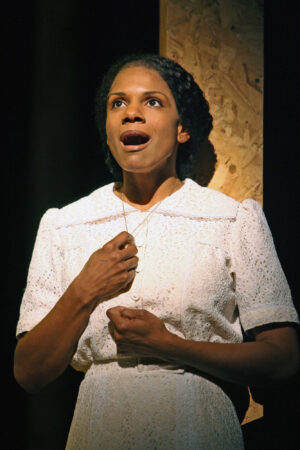
The arrival of Bill Starbuck disrupts that stagnation.
Like rain promised in a parched land, Starbuck offers excitement, possibility, and a vision of Lizzie as desirable and radiant.
In “Is It Really Me?”, she experiences a transformative awakening not because Starbuck validates her, but because she briefly sees herself through new eyes. For the first time, she imagines a version of herself that isn’t bound by shame.
However, the musical carefully avoids making Starbuck the source of her empowerment. Instead, he acts as a catalyst.
The power was always hers. He merely reflects it back.
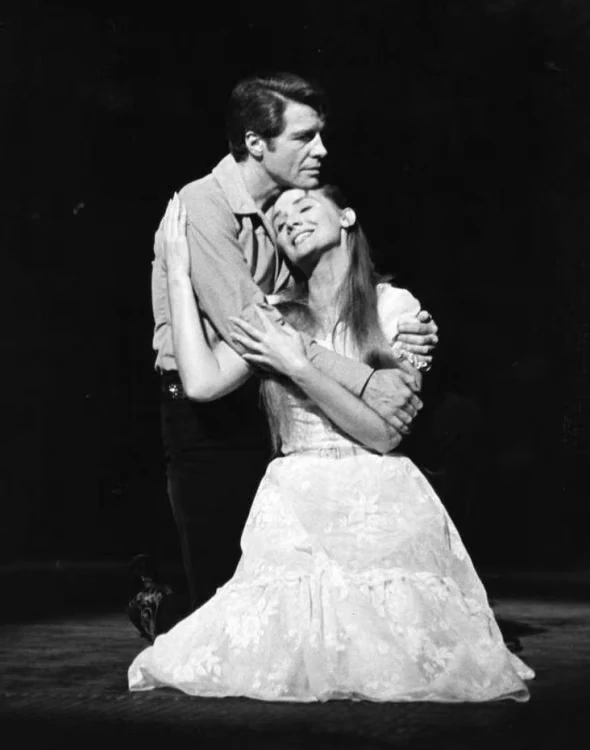
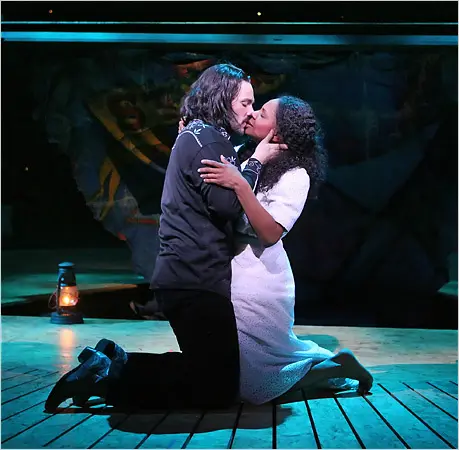
The crucial shift in Lizzie’s journey comes when she chooses not to run away with Starbuck.
This decision is not a rejection of hope but a redefinition of it.
Early in the show, hope appears external: marriage, escape, rain, a man with charisma and confidence.
By the end, Lizzie understands that hope is internal. It is the courage to stay, to risk loving honestly, and to believe she is worthy without spectacle or fantasy.
Her choice to remain and pursue a real, vulnerable relationship with Sheriff File is an act of agency. She is no longer reacting to loneliness.
She is choosing her future.
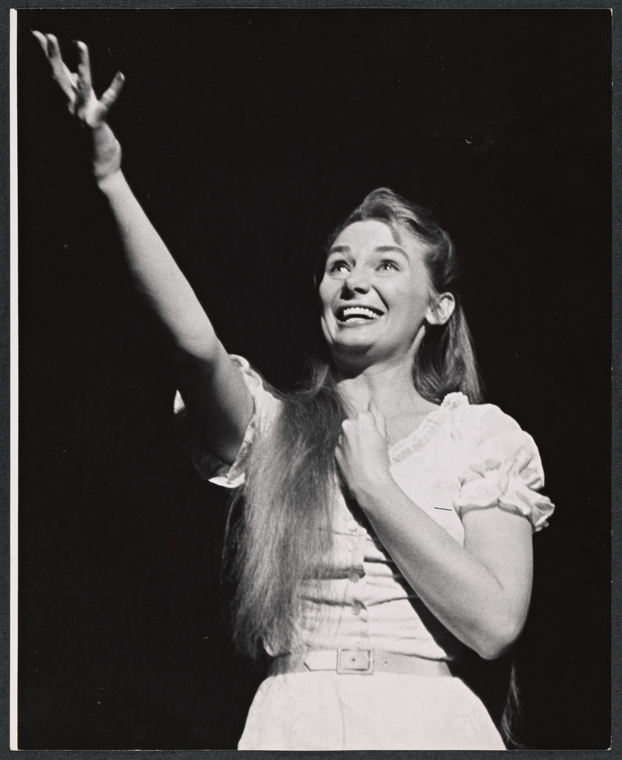
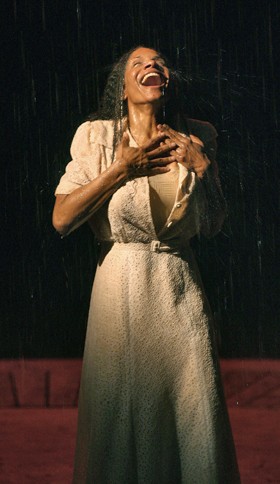
Empowerment for Lizzie, then, is not loud or rebellious. It is quiet and rooted.
She reclaims her power by shedding the narrative that she is unwanted and by recognizing that fulfillment doesn’t come from being rescued.
In a town desperate for rain, Lizzie becomes the true symbol of renewal. She learns that she doesn’t need someone else to make her bloom.
She already has the capacity within herself.
Lizzie’s arc in "110 in the Shade" unfolds musically.
Each of her major songs marks a shift in how she sees herself.
Moving from self-protection and bitterness to vulnerability and self-possession.
Her empowerment isn’t instant. It grows in layers.
This song exposes Lizzie’s deepest insecurity.
While outwardly strong, she’s inwardly pleading not to be abandoned by love entirely.
The drought around her mirrors her emotional state: dry, stalled, waiting.
She isn’t asking for passion yet. She’s begging not to be invisible.
At this point, hope still feels external. Love is something that must come to her.
She has no sense yet that she can generate her own confidence or joy. The song establishes the emotional scarcity she believes she lives in.
In “Raunchy,” Lizzie imagines a version of herself that is bold, sensual, and unrestrained. Everything she believes she is not.
She wants to shed the skin of the “proper,” overlooked woman and become someone vibrant and magnetic.
But here’s the heartbreaking truth: “Raunchy” isn’t empowerment. It’s escapism.
She thinks transformation requires becoming someone entirely different. She sees power as a costume, not something inherent.
This song exposes her deepest insecurity: she believes her current self isn’t enough.
Here, Lizzie performs her bitterness.
The number is sharp, almost aggressive, as she mocks the label that has defined her.
But underneath the sarcasm is deep hurt. She has internalized the town’s judgment.
This is not empowerment. It's survival.
She claims the insult before it can wound her again. Her power here is defensive.
She pushes love away. She would rather appear cold than vulnerable.
This song is a quiet breakthrough.
Instead of asking for spectacle or grand romance, Lizzie articulates her desire for ordinary, meaningful connection, companionship, tenderness, and a shared life.
This is crucial. She stops performing bitterness and starts speaking honestly.
For the first time, her hope is not abstract. It is grounded and personal.
She is no longer chasing validation; she is identifying her own standards.
Empowerment begins here in clarity.
This is Lizzie’s transformation moment.
When Starbuck treats her as beautiful and radiant, she experiences a dizzying shift in self-perception.
But the deeper power of this song is not that Starbuck validates her. It’s that she allows herself to believe it.
She steps into a new posture. She feels alive. She chooses to see herself differently.
This is the first time her power feels expansive rather than defensive.
By the end of the musical, Lizzie faces a choice: chase the dazzling illusion of Starbuck or stay and pursue something steady and real with Sheriff File.
Her empowerment culminates not in running away, but in staying. She refuses to let hope depend on a charismatic outsider.
She recognizes that the rain like her confidence cannot be forced or performed into existence. It must be genuine.
When she chooses to remain, she does so from strength, not resignation.
She is no longer the woman begging love not to pass her by.
She is the woman deciding what love looks like.
Lizzie’s journey mirrors the town’s longing for rain. At the beginning, she believes fulfillment must arrive dramatically from somewhere else. By the end, she understands that hope is cultivated from within.
Her empowerment is quiet but profound:
In a musical about rainmaking, Lizzie becomes the one who learns she doesn’t need to be rescued. She was never as powerless as she thought.
I hope you learned something new! Check out some of my other blogs and learn more about the world of musical theatre 🙂 See you later!