DISCOVER THE WORLD OF MUSICAL THEATRE WITH ME
DISCOVER THE WORLD OF MUSICAL THEATRE WITH ME

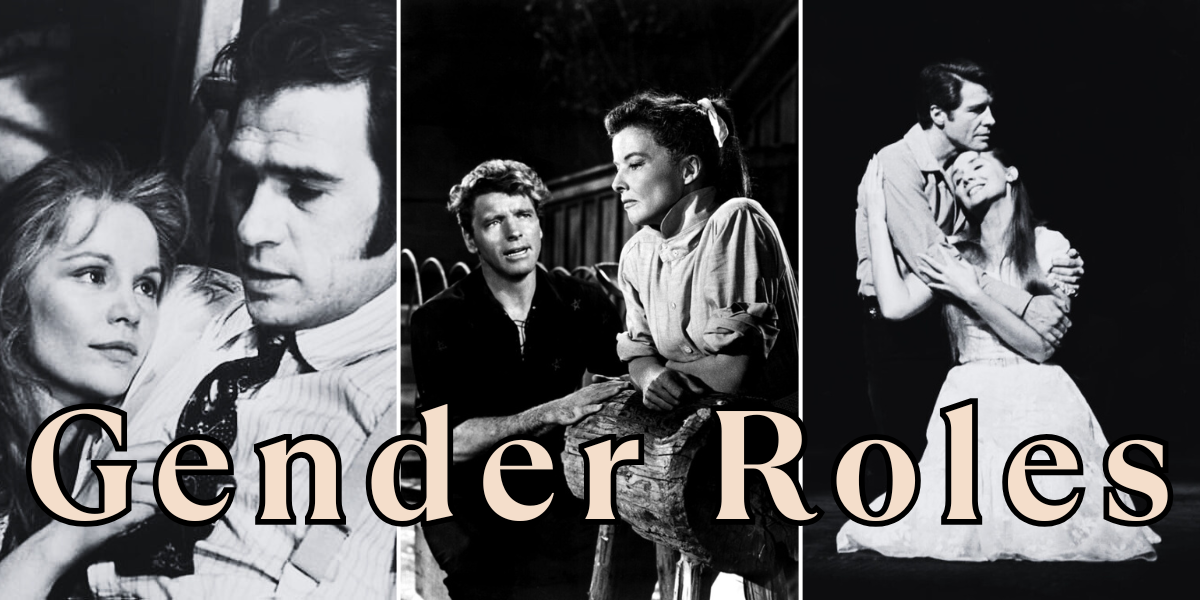
Lizzie embodies the pressure placed on women, particularly older, unmarried women, to be agreeable, desirable, and grateful. But, the story also showcases women like Lizzie wanting to be seen and appreciated for who she is not just as a potential wife.
This theme quietly critiques how women are dismissed once they no longer fit romantic ideals. The theme of gender roles and societal expectations.
Set in a drought-stricken town, The Rainmaker uses its simple romantic premise to explore rigid societal expectations especially those surrounding gender.
Beneath the charm of Bill Starbuck’s promises of rain is a quiet critique of how men and women are boxed into roles that determine their value, their voice, and even their lovability.
For Lizzie Curry, societal expectation is suffocating. At thirty, unmarried and living at home, she is labeled an “old maid.”
In her community, a woman’s success is measured almost entirely by her ability to attract a husband.
Her brothers treat her singleness as a problem to be solved.
Her father sees marriage as her only path to security.
The town reduces her identity to her appearance and age.
Lizzie internalizes these expectations. She believes she is unwanted, undesirable, and therefore unworthy. The tragedy isn’t just that society judges her. It’s that she begins to judge herself by the same standard.
The play suggests that the true drought isn’t just meteorological. It’s emotional. Lizzie has been starved of affirmation in a culture that offers women little beyond domestic destiny.
While Lizzie struggles under expectations of femininity, the men of the play are equally confined.
As the father, H.C. defines masculinity through provision, authority, and endurance.
The drought threatens not only his land but his identity as a provider, and Lizzie’s unmarried status feels like another failure of protection.
He loves his daughter deeply, yet he struggles to express that love in affirming language.
As a result, Lizzie grows up emotionally undernourished, measuring her worth against a marriage standard her father assumes is practical security.
H.C. is not cruel. He is shaped by a system that equates fatherhood with arranging safety rather than nurturing self-worth.
Jimmy reveals how those same expectations weigh on the next generation of men.
Living under his father’s roof and authority, Jim works hard but owns nothing leaving his adulthood feeling incomplete. Masculinity in this world requires independence and tangible achievement yet the drought keeps him economically stalled.
His frustration simmers, because he has no socially acceptable outlet for vulnerability.
While Lizzie fears she is “left over” as a woman, Jim risks feeling “unfinished” as a man.
Through the Curry family, the play shows that rigid gender roles confine everyone: fathers who cannot verbalize love, sons who cannot admit insecurity, and daughters who are taught their future depends on being chosen.
Noah embodies the most rigid and uncompromising version of traditional masculinity in the family.
Practical, blunt, and deeply skeptical, Noah believes survival depends on hard facts, discipline, and emotional restraint. He pushes Lizzie toward marriage not out of cruelty but from a harsh belief that security is the only realistic goal available to her.
Unlike H.C., whose love is quiet but tender underneath, Noah’s care often comes out as criticism. He values realism over comfort and sees hope as dangerous weakness.
For Noah, a man proves himself through labor and clear-eyed judgment, not dreams, and that worldview leaves little room for emotional nuance.
Through him, the play shows how fear of failure and economic instability can harden into cynicism revealing yet another way societal expectations of strength and practicality can suppress compassion within a family.
Sheriff File represents a restrained, respectable model of masculinity defined by caution, order, and social approval.
Unlike Starbuck’s flamboyant confidence or Noah’s blunt rigidity, File is measured and hesitant especially in matters of the heart. He cares for Lizzie, but he delays proposing, because he fears rejection and emotional risk.
His identity is tied to stability and reputation, and he would rather preserve dignity than expose vulnerability.
As sheriff, he upholds the law and protects the community yet personally he struggles to act decisively when love requires courage.
Through File, the play critiques a version of manhood that equates emotional control with strength.
Bill Starbuck disrupts the town because he performs masculinity differently. He is charismatic, confident, theatrical, and unapologetically bold.
But, his bravado is also a performance.
Starbuck’s masculinity is exaggerated almost mythic.
He sells rain the way he sells himself... with confidence and spectacle.
Unlike File, Starbuck embraces risk and emotion. He speaks directly to Lizzie’s longing and self-doubt telling her she is beautiful and capable of being loved. Yet, even he fits into gendered norms in another way. He positions himself as the transformative male savior.
The question becomes is Starbuck liberating Lizzie or simply offering a more exciting version of the same romantic dependency?

Women in "The Rainmaker" have limited economic and social mobility. Lizzie works in the home. There is no sense that she might pursue independence outside marriage.
Her future options are stark:
This scarcity of opportunity intensifies the emotional stakes. Marriage isn’t just romance. It’s survival, belonging, validation.
Meanwhile, men have occupational identities:
Men move. Women wait.
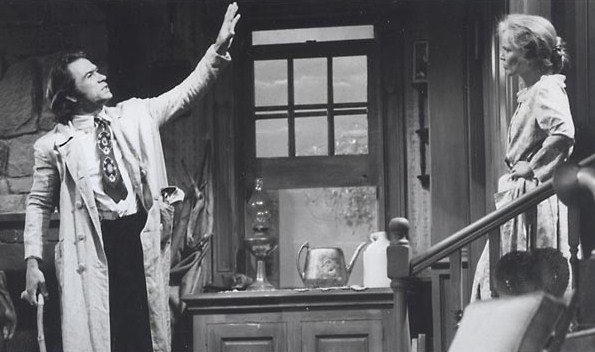

Despite these rigid roles, "The Rainmaker" ultimately challenges them:
In the end, the most radical act in the play is not falling in love.
It is Lizzie claiming her worth independent of external validation.
The 1956 film adaptation of "The Rainmaker" places gender roles at the center of its emotional and social conflict.
Set in a drought-stricken rural community, the story reflects a mid-century worldview where marriage defines a woman’s worth and emotional restraint defines a man’s strength. These expectations shape every major relationship in the film.
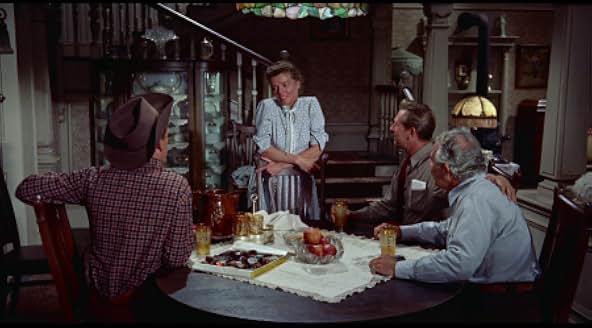
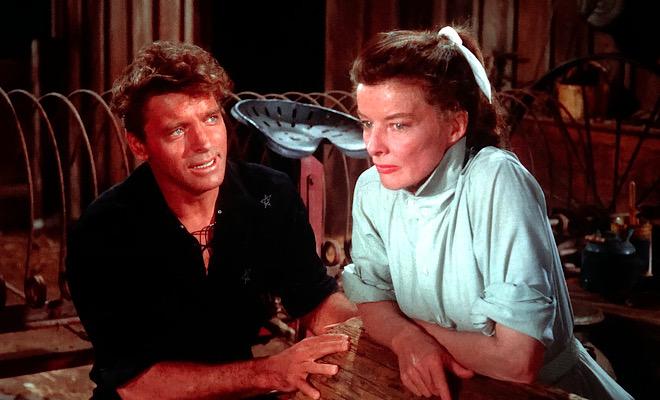
Lizzie Curry exists under constant social scrutiny. As an unmarried woman in her thirties, she is labeled “plain” and pitied by the town.
The idea is clear. A woman’s value lies in her attractiveness and ability to secure a husband. Lizzie’s intelligence, humor, and emotional depth are overlooked, because she does not meet conventional beauty standards.
Even her loving father and brothers measure her future in terms of marriage prospects.
The film exposes how this pressure distorts Lizzie’s self-image.
She internalizes society’s message that she is undesirable which leads her to settle emotionally for Sheriff File, a cautious widower who offers security rather than passion.
Lizzie’s transformation under Starbuck’s influence is not about becoming beautiful in a physical sense. It is about reclaiming her confidence.
The film critiques the narrow definition of femininity by showing that Lizzie’s real change is internal.
The men in "The Rainmaker" are equally confined by social expectations.
H.C. Curry embodies the traditional patriarch: quiet, responsible, emotionally reserved. His authority rests in his role as provider and decision-maker.
Yet, he struggles to express affection openly especially toward Lizzie, because vulnerability is not considered masculine.
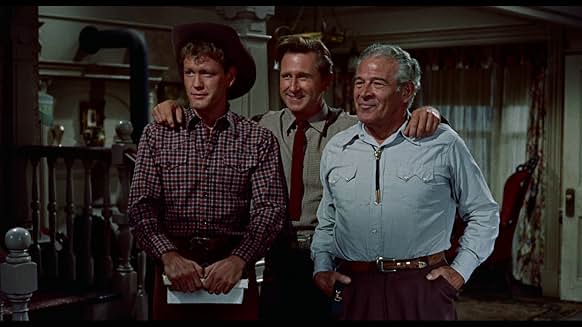
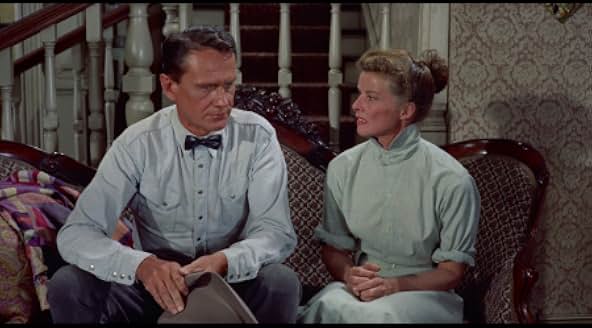
Sheriff File represents another version of manhood: cautious, respectable, controlled.
As a lawman, he is expected to maintain order and suppress emotion. His hesitancy in courting Lizzie reflects a fear of appearing foolish or passionate.
In contrast, Bill Starbuck performs an exaggerated masculinity: charismatic, confident, romantic, and bold. He challenges the town’s rigid model of male restraint.
Yet even Starbuck’s persona is partly an act. He performs confidence as a survival tactic.
The film suggests that masculinity, like femininity, is shaped by performance and expectation.
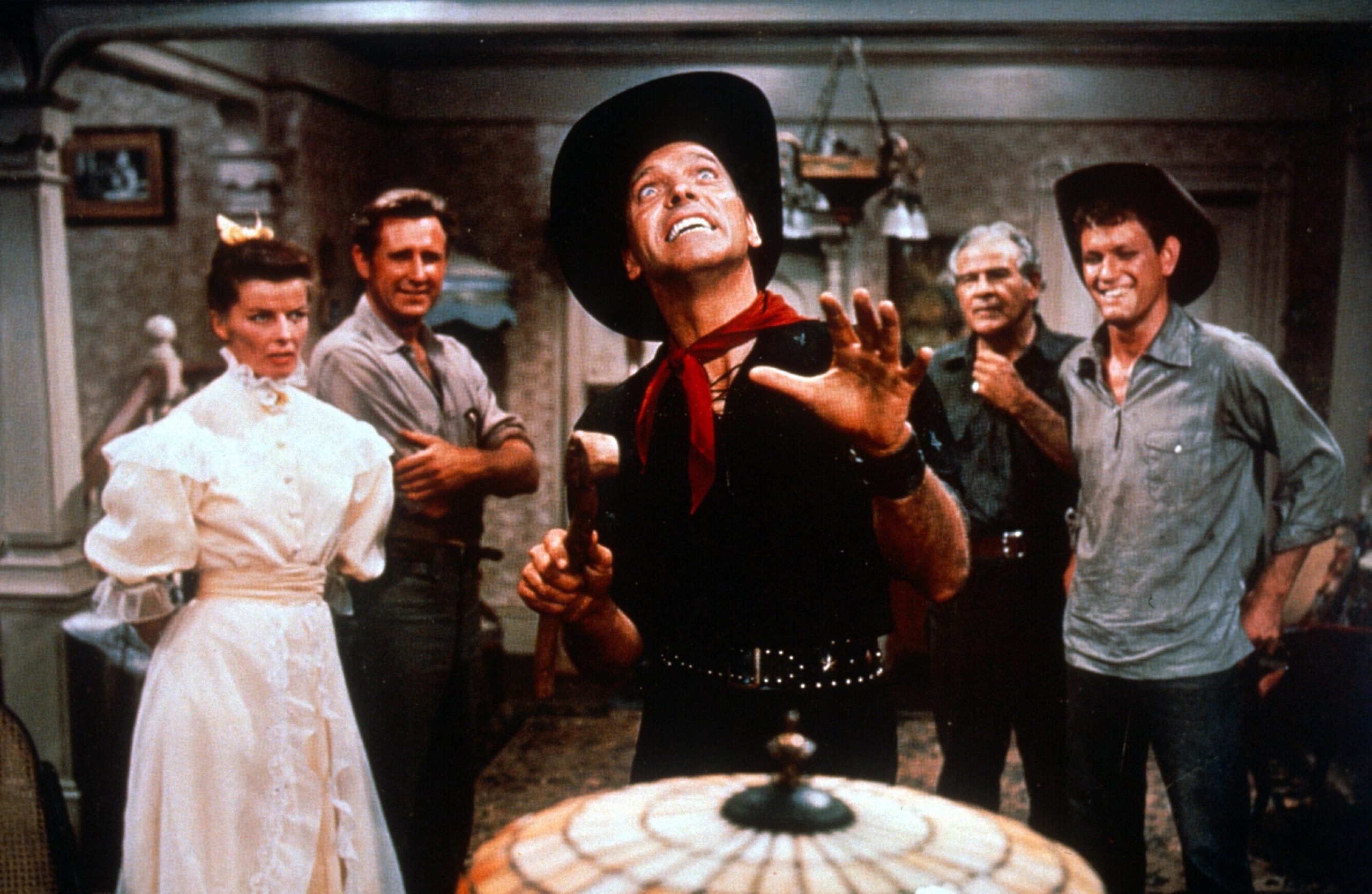

The drought-stricken town operates as a moral judge. Gossip, reputation, and appearance matter deeply.
Lizzie’s unmarried status becomes public business.
Sheriff File’s propriety earns him respect.
Starbuck’s flamboyance makes him suspect.
Gender roles are reinforced collectively not just within families.
However, the film subtly questions whether these roles truly serve the characters.
Ultimately, "The Rainmaker" portrays societal expectations as both protective and limiting.
The film acknowledges the comfort of structure. Yet, it argues that true fulfillment requires stepping beyond prescribed gender roles.
Through Lizzie’s journey, it asks whether identity should be dictated by community standards or discovered through personal courage.
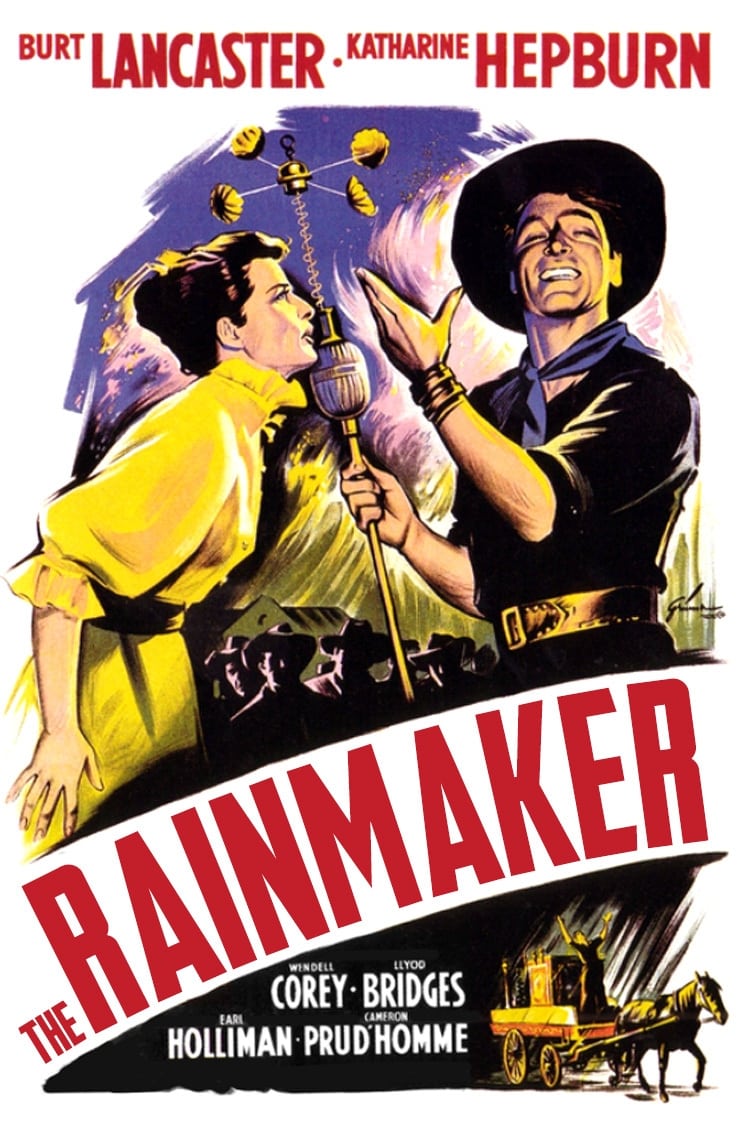
"110 in the Shade" places its characters in a drought-stricken Texas town, but the harshest climate isn’t just the weather. It’s the rigid social expectations pressing down on everyone.
The musical exposes how tightly gender roles shape identity, marriage, work, and self-worth especially for Lizzie Curry.
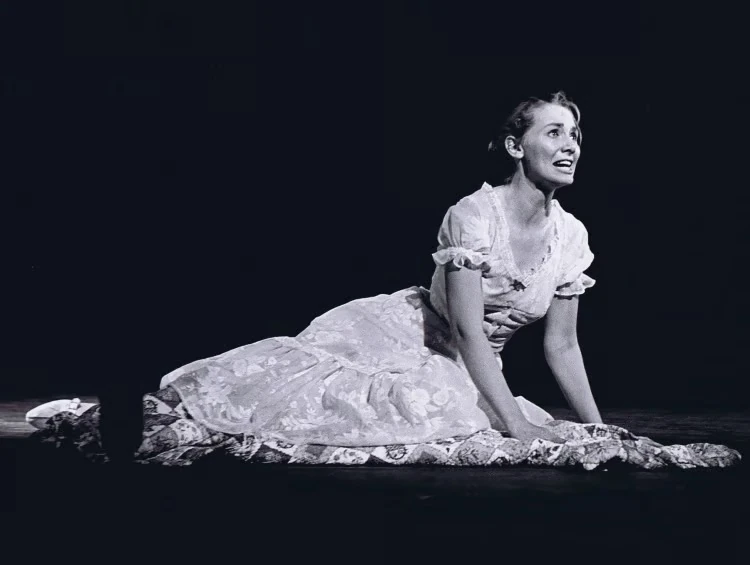
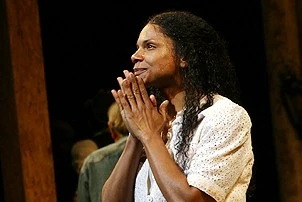
Lizzie is trapped by the era’s narrow definition of womanhood.
In her world, a woman’s value is tied almost entirely to marriage and physical attractiveness.
Because she is considered “plain” and unmarried, the town labels her an “old maid”, a term that reduces her entire identity as a failure to secure a husband.
The song “Old Maid” makes this painfully explicit. The pressure isn’t subtle. It’s communal and relentless.
Her desire in “Simple Little Things” reveals something radical beneath the surface.
She doesn’t actually want glamour or drama.
She wants dignity, love, and a home of her own.
Sheriff File represents the “respectable” model of masculinity: stable, hardworking, cautious, and emotionally restrained.
Society rewards him for responsibility but not for vulnerability.
He loves Lizzie. Yet, he cannot bring himself to risk rejection. Pride and fear of humiliation keep him silent.
His role highlights an important double standard. While women are judged for being unmarried, men are judged for appearing weak.
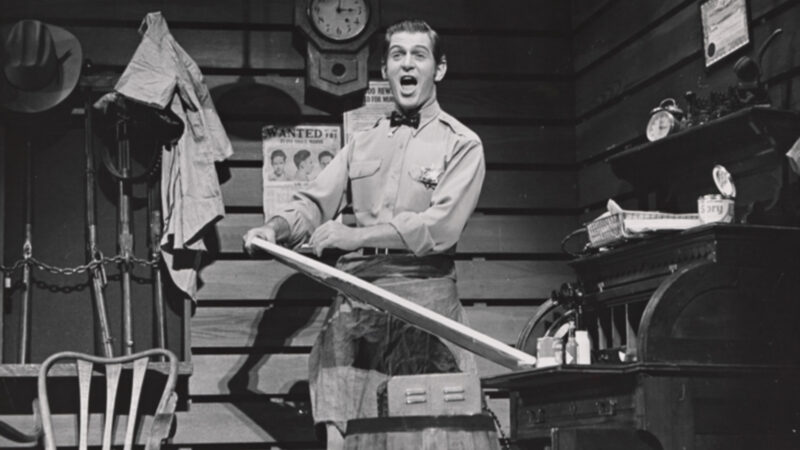
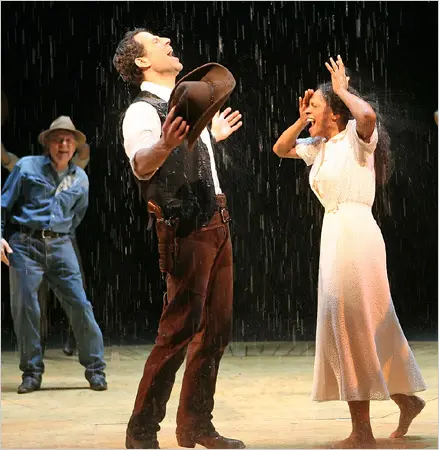
File’s tragedy is not that he lacks love, but that traditional masculinity prevents him from expressing it.
The musical suggests that emotional repression is just as isolating for men as marriage pressure is for women.
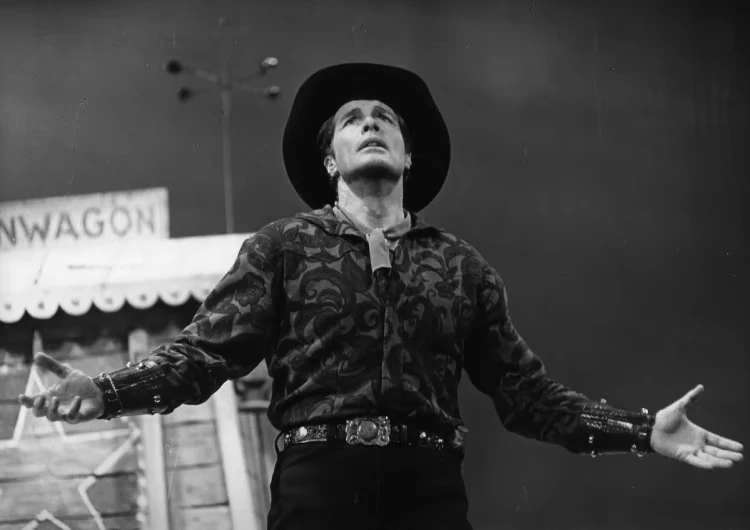
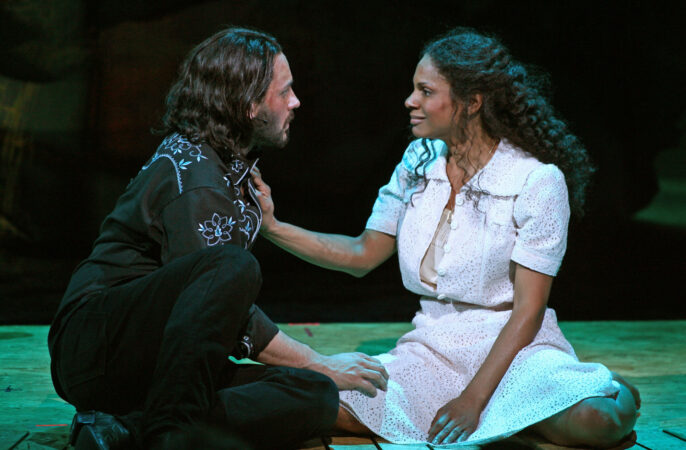
Bill Starbuck offers a completely different model of manhood.
He is flamboyant, confident, theatrical, and openly expressive.
In a town built on stoicism, he performs charisma and authority.
Yet, even Starbuck operates within gender expectations.
He assumes he can sweep Lizzie away because bold male pursuit is normalized.
His confidence disrupts the town’s rigidity, but it also reveals how easily belief and charm can manipulate a society desperate for change.
H.C. Curry and Noah Curry embody another layer of expectation: male guardianship.
Lizzie’s father and brother love her, but they also treat her as someone who must be managed or married off.
Their protectiveness reflects a cultural belief that women need male oversight. Noah, in particular, becomes aggressive in defense of family honor reinforcing the idea that a man’s role is protector and enforcer.
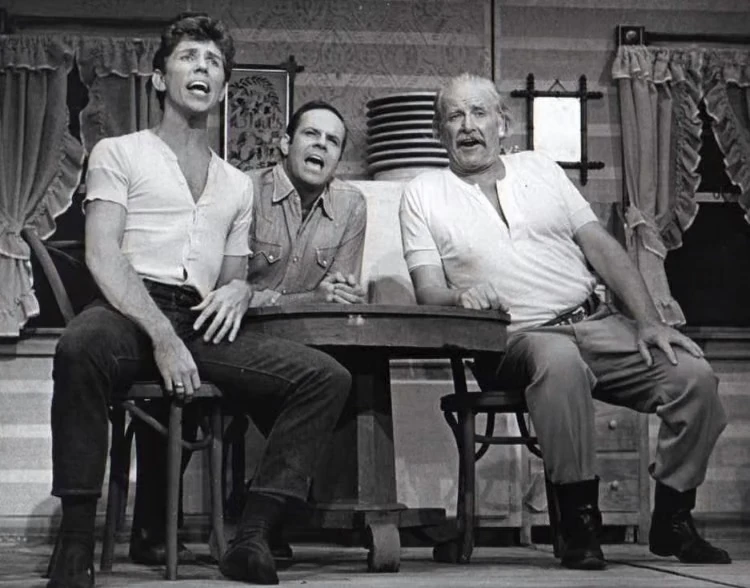
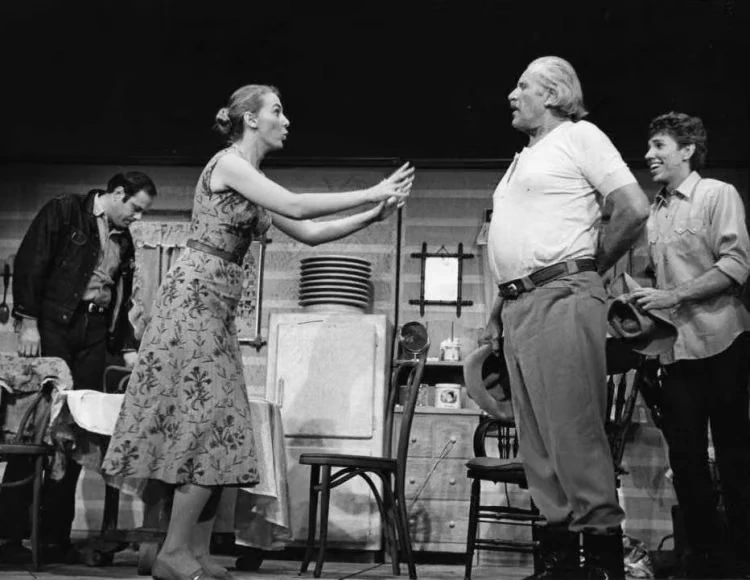
The drought intensifies this dynamic.
Economic hardship makes marriage not just romantic but practical. Women’s security depends on men’s stability. That pressure fuels the urgency behind Lizzie’s situation.
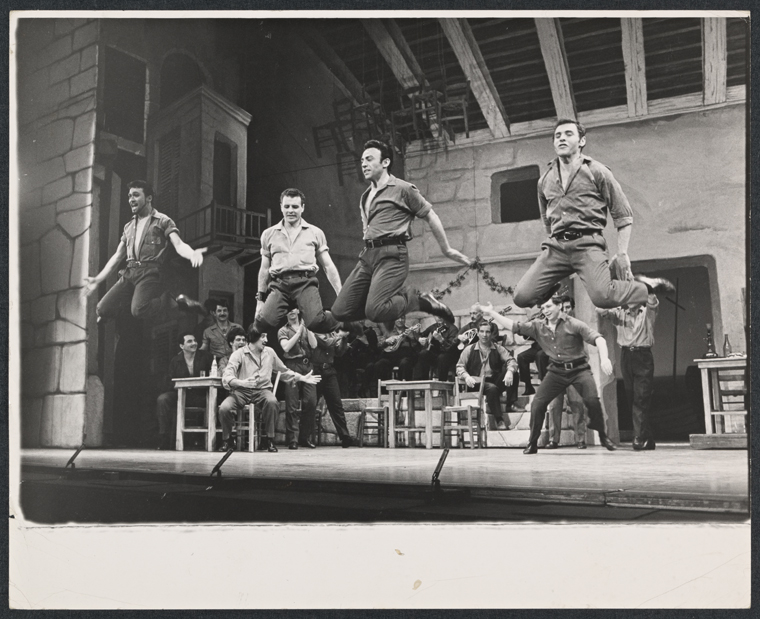
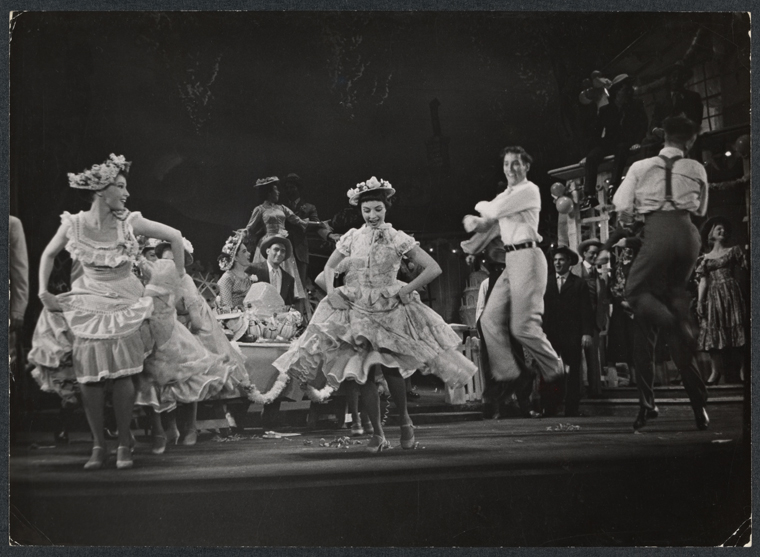
Perhaps most powerfully, the town itself becomes the enforcer of gender roles.
The ensemble functions almost like a chorus of judgment. The musical number "The Hungry Men" proves this. Gossip, teasing, and assumptions reinforce what is “normal.”
Women must marry. Men must provide. Doubt must be hidden. Vulnerability must be masked.
The rigid roles have thrown aside honesty.
"110 in the Shade" doesn’t present gender roles as cartoonishly evil. It presents them as suffocatingly normal.
Lizzie’s journey toward self-recognition challenges the idea that a woman’s worth is measured by male approval.
Sheriff File’s struggle challenges the notion that masculinity must be silent and stoic.
And Starbuck’s theatrical bravado exposes how easily society is swayed by confident performance.
In the end, the musical asks: What happens when people stop performing the roles handed to them and start choosing who they want to be instead?


I hope you learned something new! Check out some of my other blogs and learn more about the world of musical theatre 🙂 See you later!