DISCOVER THE WORLD OF MUSICAL THEATRE WITH ME
DISCOVER THE WORLD OF MUSICAL THEATRE WITH ME

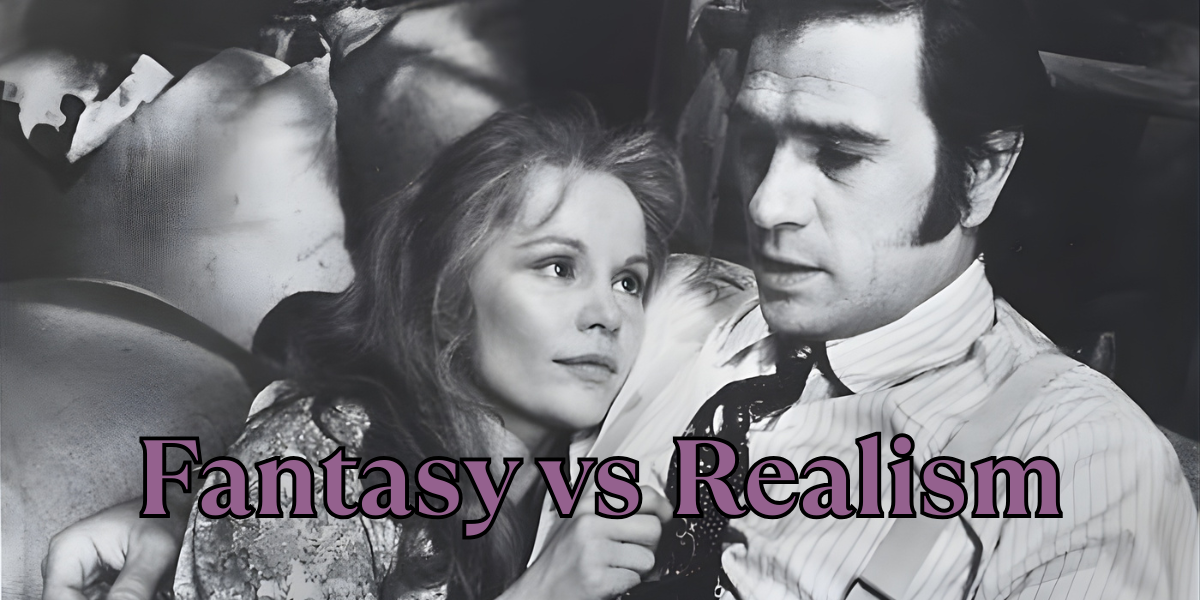
Starbuck is a charismatic "con man" who offers fantasy but ultimately finds his own truth and desire for a real life with Lizzie blurring the lines between illusion and reality.
All three versions begin in a world defined by stark realism. The drought-stricken Midwest is dry, practical, and unforgiving. The Curry family’s farm is failing. Marriage is treated as economic survival. Lizzie is labeled an “old maid.” Sheriff File is paralyzed by cautious practicality. Hope feels dangerous.
This realism is not just environmental. It is emotional. The townspeople pride themselves on being sensible. They distrust dreamers. They measure worth in tangible outcomes: rain, money, marriage, reputation. In this context, fantasy is almost a moral threat.
And then Starbuck arrives.
Bill Starbuck bursts into town like a storybook hero or villain. He speaks in grand, poetic declarations. He promises rain for $100. He tells Lizzie she is beautiful when no one else will. He insists the world is larger than what they can see.
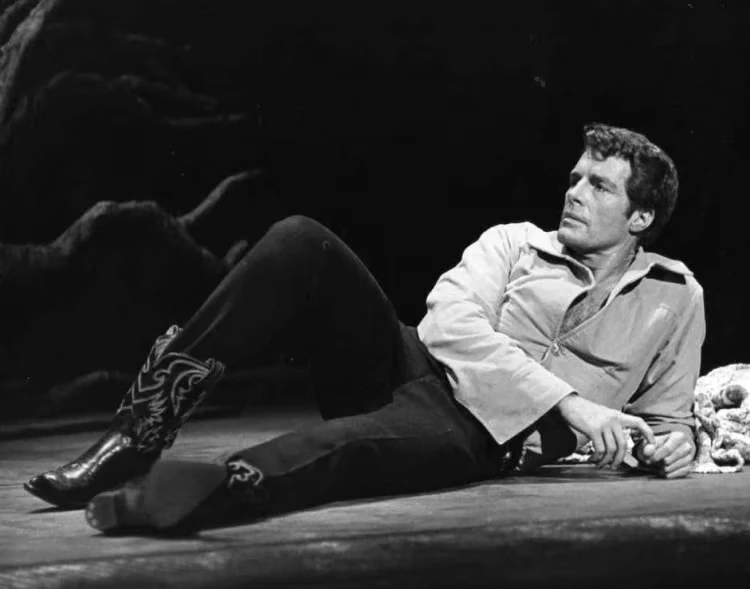
On the surface, he is a classic con man: charismatic, theatrical, emotionally perceptive. He reads people quickly and tells them what they long to hear.
In "The Rainmaker", his speeches feel like carefully crafted performances.
In "110 in the Shade", his songs amplify this theatricality. He quite literally sings his fantasy into being like "The Rain Song" and "Melisande".
He represents possibility.
But he also represents illusion.
The central tension of the story is this: Is Starbuck offering false hope or awakening something true?
Lizzie lives trapped in realism. She has accepted the town’s verdict about her: plain, unwanted, past her prime. Her realism is defensive. If she expects nothing, she cannot be disappointed.
Starbuck shatters that defense.
When he tells her she is beautiful, the question is not whether she suddenly becomes beautiful. The question is whether she has always been and simply needed someone to see it.
His fantasy challenges her version of reality.
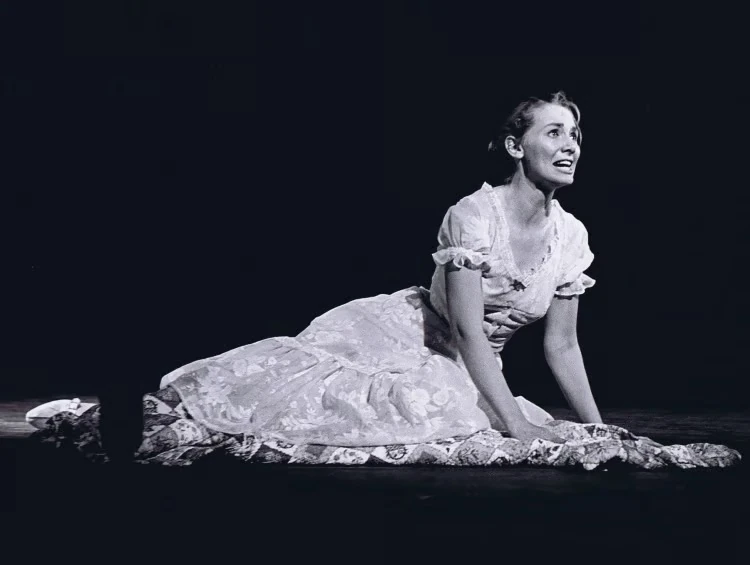
In "110 in the Shade", this tension is even clearer. The music allows Lizzie’s inner life to surface. Songs like “Is It Really Me?” show that what appears to be fantasy might actually be self-recognition.
Starbuck’s illusion forces her to confront a deeper truth: she has been living beneath her own worth.
Fantasy becomes a doorway to self-realization.
What makes the fantasy vs. realism theme powerful is that Starbuck himself changes.
Initially, he performs. Every gesture is exaggerated. Every word calculated. He thrives on movement, on leaving before reality catches up to him. He sells belief but never stays to live in it.
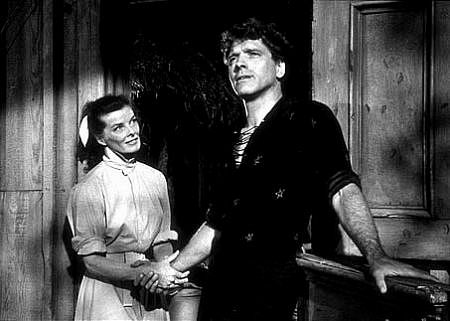
Lizzie disrupts that pattern.
For perhaps the first time, Starbuck wants something real. He doesn’t just want to win her; he wants to stay. He imagines a life with her not as part of a scheme, but as a future.
In that shift, the line between con and confession blurs.
Is he still performing when he says he loves her? Or has performance become truth?
The brilliance of all three versions is that they refuse to answer neatly. Even the rain itself (which comes after he leaves) complicates the narrative.
Did he cause it? Was it coincidence? Does it matter?
In the end, Starbuck does not simply offer fantasy to Lizzie. He discovers that he wants a real life with her. The con man who sells dreams realizes he longs for something stable, rooted, and honest.

That is the heart of the theme:
While all three versions tell the same core story, they feel very different in how they handle fantasy vs. realism especially in how they frame Starbuck’s con artistry and his emotional transformation.
The play is the sharpest and most morally tense version.
Because it unfolds almost entirely in the Curry home, the atmosphere feels tight and grounded. There’s no cinematic sweep or no musical lift. Just dialogue.
That makes Starbuck’s fantasy feel more dangerous. His words are weapons. His charm feels calculated.
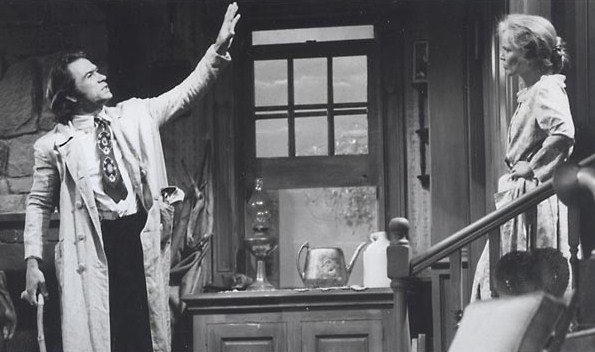
In this version:
The rain’s arrival is especially ambiguous. It does not feel magical. It feels coincidental.
The play leans into uncertainty. Did Starbuck believe in himself? Or was he just good at performance?
His desire to stay with Lizzie feels like a crack in his armor, but it is not romanticized. The transformation is subtle and tentative. We’re left unsure whether he is capable of real change.
The play emphasizes realism pushing back against fantasy.
The film softens the edges.
With sweeping cinematography and the natural landscape, the drought feels epic rather than claustrophobic. The camera romanticizes the setting, which subtly romanticizes Starbuck as well.
Burt Lancaster’s portrayal leans into charm over menace. He is roguish, yes, but also charismatic in a way that makes the audience want to believe him. The film amplifies:
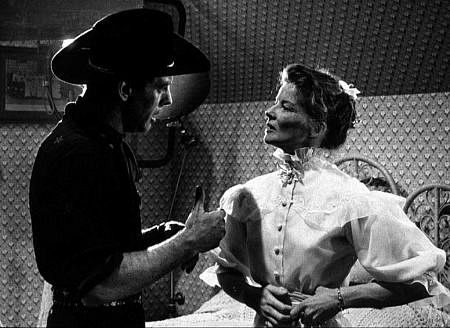
The rain, when it comes, feels almost cinematic destiny. Even if logically coincidental, emotionally, it feels like payoff.
The film blurs illusion and reality by leaning into fairy-tale energy. Starbuck becomes less of a moral question and more of a romantic possibility. His desire for Lizzie feels genuine earlier and more clearly than in the play.
Fantasy is not just disruptive. It’s seductive.
The musical complicates everything, because music is heightened reality.
In "110 in the Shade", Starbuck doesn’t just speak dreams. He sings them. That changes the entire tone.
Music makes emotional vulnerability unavoidable. Even when Starbuck is performing confidence, the score reveals longing beneath it. He feels less predatory and more restless. His fantasy feels like survival. The identity of a man who must keep moving because stillness would expose loneliness.
Meanwhile, Lizzie’s inner life is dramatically expanded. Songs like “Is It Really Me?” give us direct access to her awakening.
In the play, we observe her transformation.
In the musical, we experience it with her.
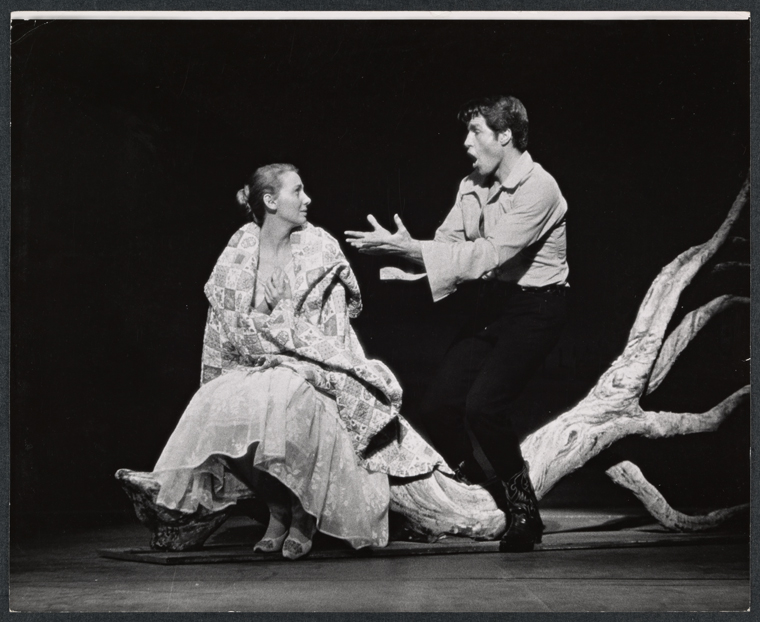
The musical suggests:
By the end, Starbuck’s desire to stay feels less like a sudden shift and more like a man confronting the truth he’s been avoiding. The music makes that shift feel inevitable.
Fantasy doesn’t just blur with reality. It becomes the vehicle for discovering it.
Play
Film
Musical
Calculated drifter
Romantic rogue
Theatrical dreamer
Sharp, morally uneasy
Charming and seductive
Performative but vulnerable
Subtle, uncertain
Emotional
Inevitable
The play asks: Can illusion ever be ethical?

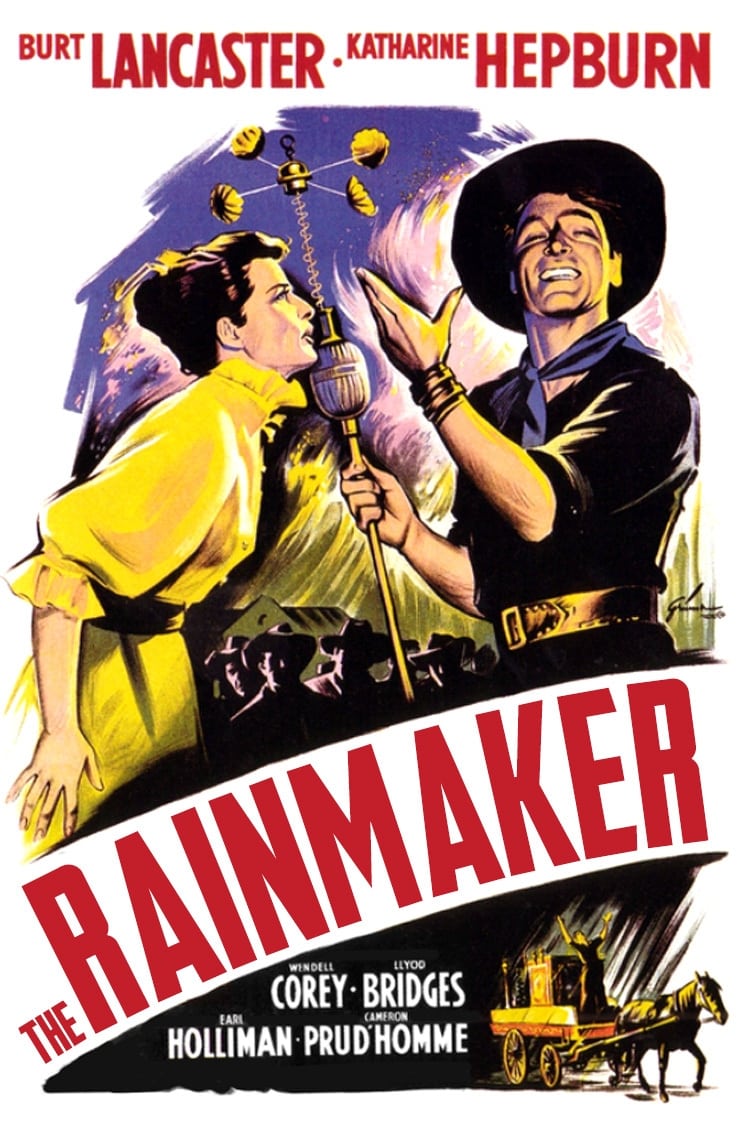
The film asks: Is love worth the risk of believing in something improbable?
The musical asks: What if belief itself creates reality?
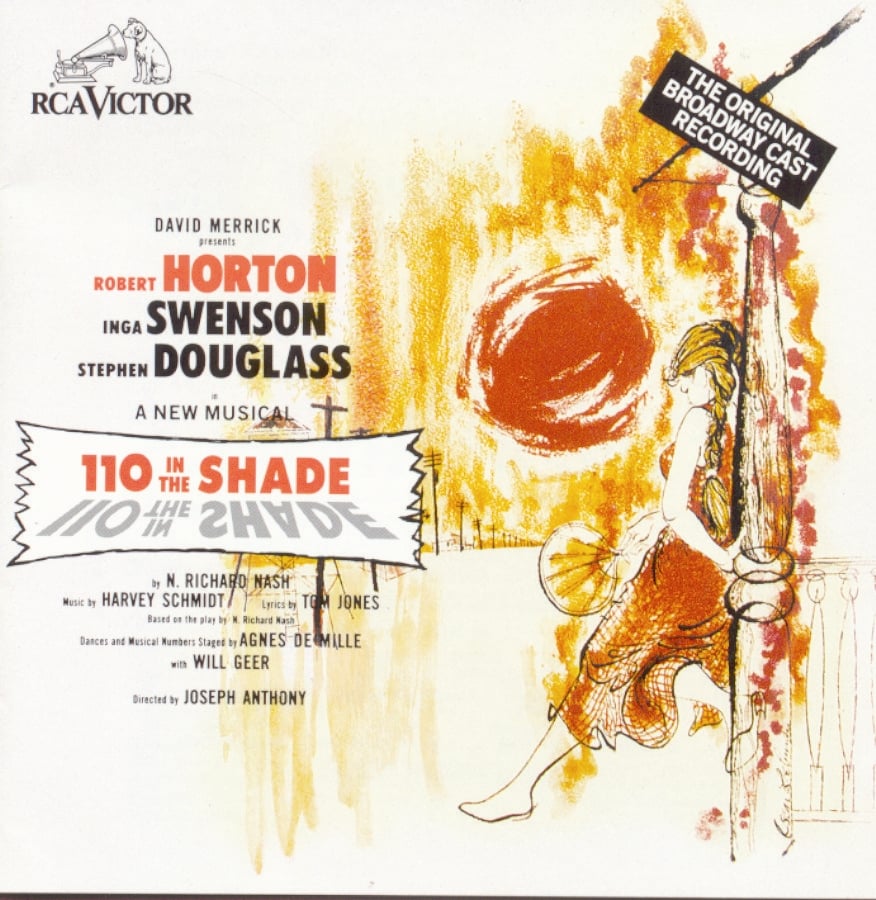
In all three, Starbuck begins as a man selling rain.
But the difference lies in how much we believe him and when.
In the play, we doubt him.
In the film, we want to believe him.
In the musical, we feel him.
And that progression beautifully mirrors the theme itself: fantasy is only dangerous when it is empty. But, when it reveals longing, vulnerability, and transformation, it becomes something very close to truth.
I hope you learned something new! Check out some of my other blogs and learn more about the world of musical theatre 🙂 See you later!