
DISCOVER THE WORLD OF MUSICAL THEATRE WITH ME
DISCOVER THE WORLD OF MUSICAL THEATRE WITH ME


"I'm gonna change you from a rooster to a hen with one shot!"
Doralee Rhodes
9 to 5
When three frustrated secretaries are pushed too far by their sexist, egotistical, lying, hypocritical bigot boss, they kidnap him and take control of the office.
"9 to 5" is a 1980 American comedy film directed by Colin Higgins and written by Patricia Resnick. Resnick also adapted the film into a musical years later in 2009. Alongside the two was producer Bruce Gilbert, cinematographer Reynaldo Villalobos, editor Pembroke J. Herring, and composer Charles Fox.
The film stars Jane Fonda, Lily Tomlin, Dolly Parton, Dabney Coleman, Sterling Hayden, and Elizabeth Wilson.
The film follows three very different women working at Consolidated Companies: Violet Newstead, a capable and overlooked senior supervisor; Doralee Rhodes, a kind but sexualized secretary; and Judy Bernly, a timid divorcée entering the workforce for the first time. All three suffer under their sexist, self-serving boss, Franklin Hart Jr., who takes credit for others’ work, spreads rumors, and blocks promotions for women. After bonding over their shared frustrations, they fantasize about getting revenge on him only for a wild misunderstanding to lead them to accidentally kidnap and hold him hostage in his own home.
With Hart out of the office, the women secretly take control of the workplace and implement progressive changes, including flexible hours, equal pay policies, and a more supportive office culture. The company flourishes under their leadership, proving their competence and exposing Hart’s incompetence. When their scheme is nearly uncovered, a chain of events leads to Hart’s downfall and removal from power. Blending sharp satire with broad comedy, "9 to 5" celebrates friendship, workplace reform, and justice.
Patricia Resnick
Colin Higgins
Reynaldo Villalobos
PG
1 hour and 50 minutes
Production Company - IPC Films
Distributed - 20th Century Fox
Movie Theatres - December 19, 1980
Comedy
Late 1970s, Los Angeles
Not a musical. No singing or dancing.
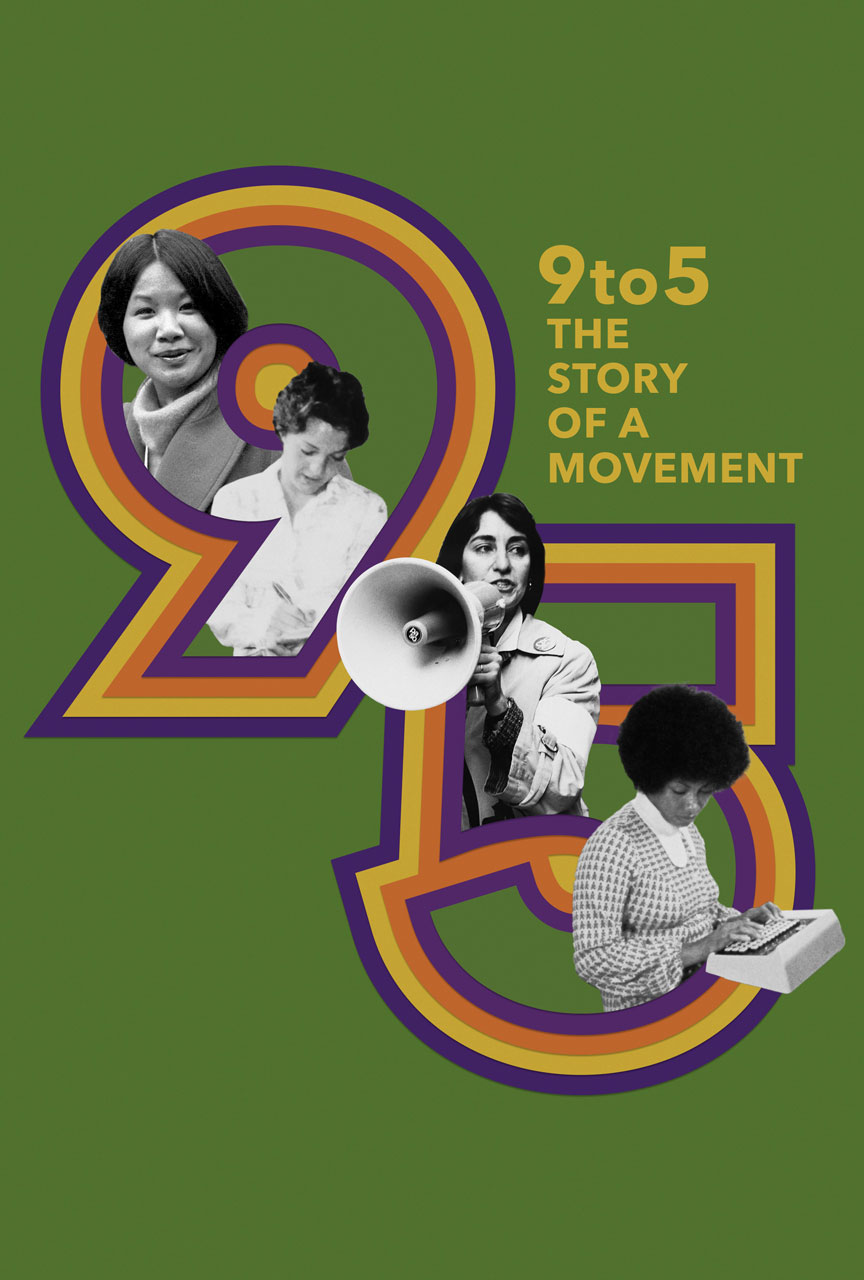
Before the musical, there was a TV show. And before the TV show, there was a movie. And there is a rason why the "9 to 5" movie was a cult classic hit during the 1980s.
"9 to 5" is a classic comedy film released in 1980, directed by Colin Higgins and starring Jane Fonda, Lily Tomlin, and Dolly Parton.
The film proved to be a box office sensation, raking in more than $3.9 million during its opening weekend in the United States.
With its sharp wit, memorable performances, and empowering message, "9 to 5" remains a beloved classic that continues to resonate with audiences decades after its release.
Fun Fact: The film was inspired the events surrounding the "9to5 Movement" in the 1960s and 1970s.
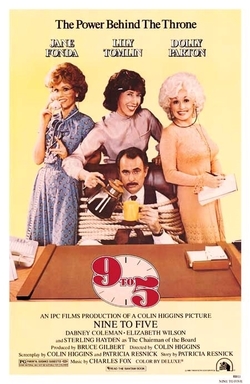
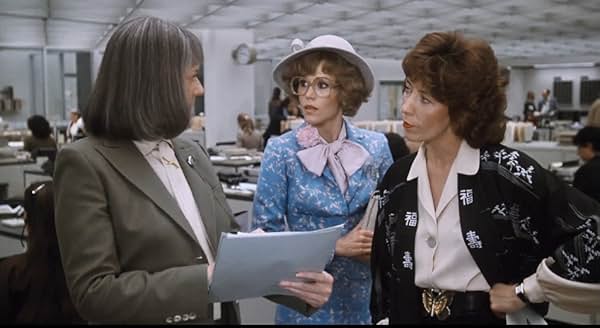
The movie introduces three working women: Judy Bernly, a timid newcomer to the office after her divorce, Violet Newstead, a sharp and experienced office manager, and Doralee Rhodes, a sweet and capable secretary who is unfairly seen as having an affair with their boss. Their boss, Franklin Hart Jr., mistreats them and other female employees like taking credit for Violet’s ideas, harassing Doralee, and belittling Judy.
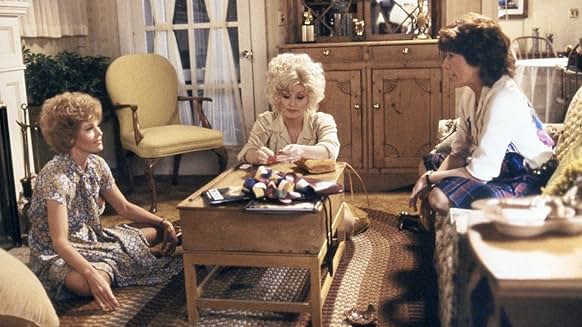
After Hart promotes a less qualified man over Violet and spreads rumors that he’s having an affair with Doralee, tensions boil over. The three women bond over their shared frustration and, during a marijuana-fueled venting session, fantasize about getting revenge on Hart.
A misunderstanding leads them to believe they have accidentally poisoned Hart. Hart finds out about the poisoning and attempts to blackmail. As a result, chaos ensues. They kidnap Hart and keep him tied up at his home to prevent him from exposing them. Then, they take over running the office in his absence and implement progressive workplace reforms like flexible hours, equal pay, an on-site daycare, job sharing, and promotions based on merit. The office becomes more productive and positive under their leadership.
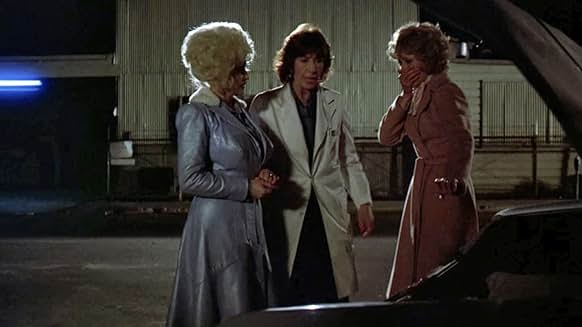
Hart escapes captivity and returns to the office just as a company chairman is visiting. He attempts to expose the women and regain control. However, the chairman mistakenly believes the progressive changes were Hart’s ideas and praises him for the office’s improved performance.
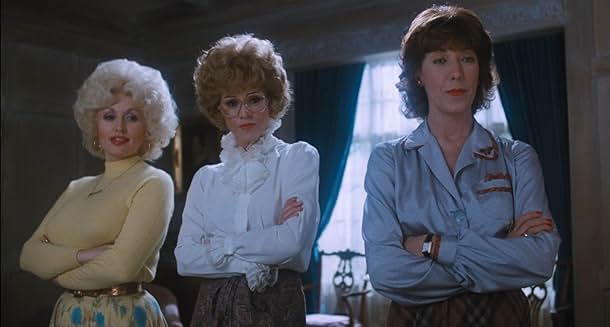
The women manage to prevent Hart from revealing the truth. Instead of being punished, Hart is promoted and transferred away to Brazil, removing him from their lives.

The office reforms remain in place, and each woman’s life improves. Judy becomes confident and gets married, Violet is finally promoted to vice president, and Doralee begins pursuing her dream of becoming a country music singer.
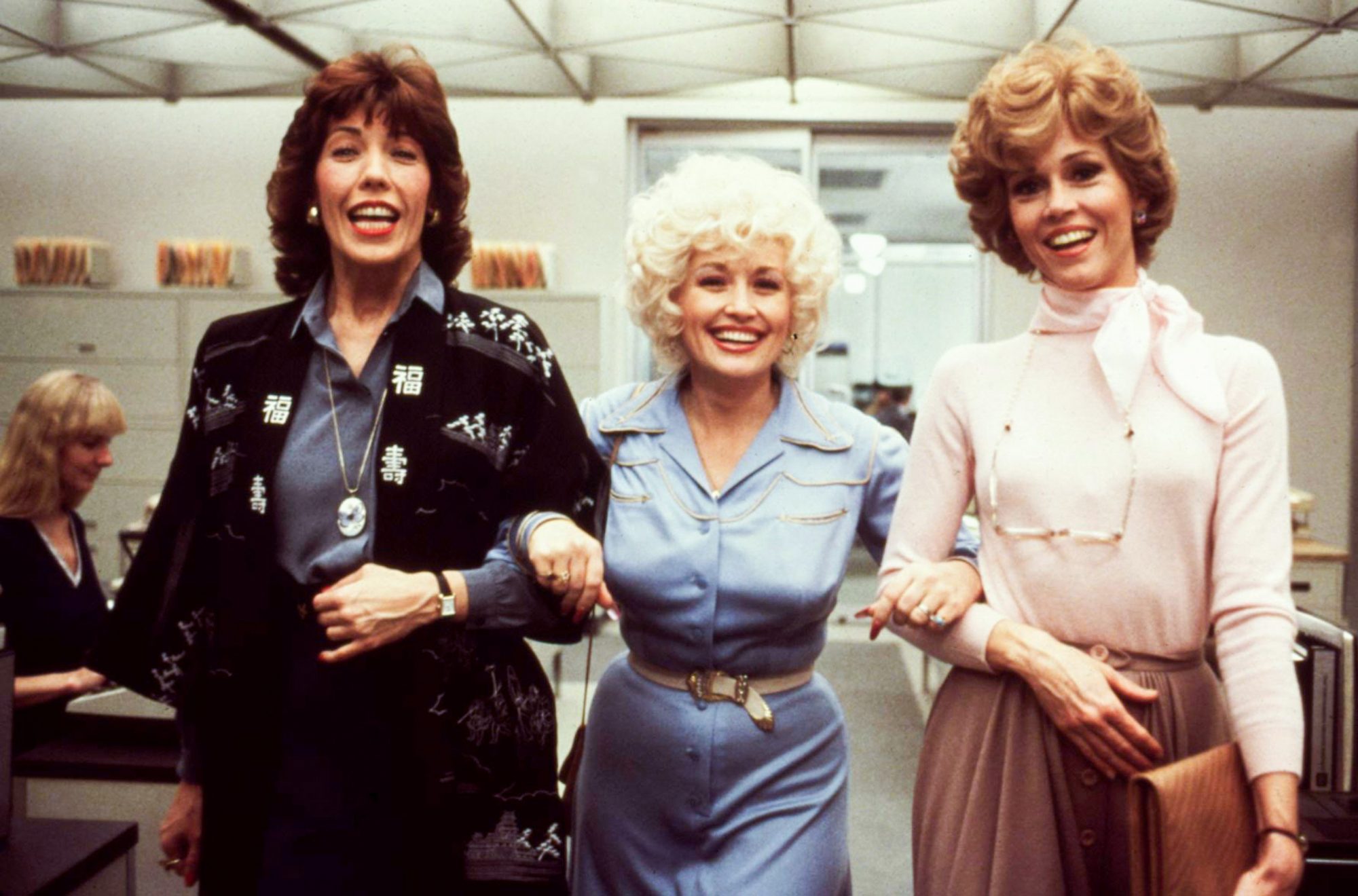
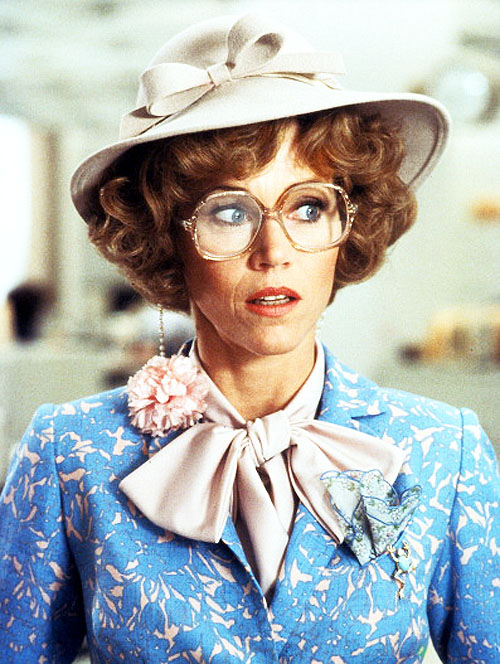
Judy Bernly serves as the emotional entry point of the film. She is a soft-spoken, newly divorced woman who is forced into the workforce after her husband leaves her for his secretary. When she begins working at Consolidated Companies, she is timid, inexperienced, and painfully insecure, often crying, apologizing, and doubting her own abilities. However, under Violet’s mentorship and through her growing friendship with Doralee, Judy gradually gains confidence and discovers her own competence and inner strength. As the women take control of the office, she becomes more assertive and self-assured. Judy’s journey reflects themes of independence, empowerment, and reclaiming identity after betrayal, transforming her from a frightened, abandoned wife into a capable, thriving professional woman.
Violet Newstead is the sharp, capable, and long-suffering senior supervisor at Consolidated Companies. A widowed mother of four, Violet has devoted years of loyal service to the company, only to be repeatedly passed over for promotion in favor of less qualified men. Intelligent, efficient, and witty, Violet is the backbone of the office. She knows how everything works and keeps it running smoothly. Though she begins the film understandably bitter and frustrated by systemic discrimination, she is never defeated. Instead, her anger fuels her determination. Acting as a mentor to Judy and an ally to Doralee, Violet becomes the strategic mind behind the women’s plan to overthrow Hart’s authority. When they transform the workplace, she finally receives the executive position she has long deserved. Violet embodies competence, resilience, and righteous indignation, representing the fight against workplace sexism and the demand for recognition based on merit rather than gender.
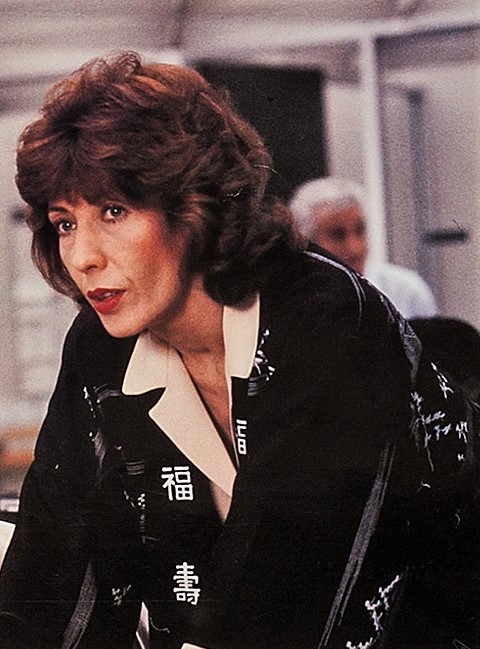

Doralee Rhodes is the warm-hearted, sharp-tongued secretary who is constantly underestimated because of her appearance and Southern charm. Married to a supportive husband and openly flirtatious in style but not in behavior, Doralee becomes the subject of cruel rumors in the office particularly from her boss, Franklin Hart Jr., who spreads lies that she’s having an affair with him. Though many coworkers initially judge her based on gossip and stereotypes, Doralee quickly proves she is neither naïve nor promiscuous, but intelligent, capable, and fiercely self-respecting. Beneath her bubbly personality is a woman who refuses to tolerate harassment or disrespect, and when pushed too far, she stands her ground with surprising boldness. After becoming friends with Judy and Violet, Doralee reveals a strong sense of justice and loyalty helping reshape the workplace into a fairer, more supportive environment. She represents the danger of judging women by appearances and ultimately embodies dignity, integrity, and unapologetic confidence.
Franklin Hart Jr. is the smug, sexist, and self-serving vice president of Consolidated Companies serving as the film’s primary antagonist. He is a classic example of corporate patriarchy: condescending toward women, dismissive of their abilities, and quick to take credit for work that isn’t his. Hart thrives on intimidation and control fostering a workplace built on fear, favoritism, and humiliation. Though he presents himself as powerful and untouchable, much of his authority is inflated by bluster rather than true competence. Arrogant, petty, and deeply insecure beneath his bravado, Hart becomes the target of the women’s revenge ultimately losing both his control and his position. He represents the systemic sexism and abuse of power that the film satirizes embodying the outdated attitudes the women overthrow.
Roz Keith is the sharp-eyed office administrator at Consolidated Companies. She is fiercely loyal to Franklin Hart Jr. and determined to protect his authority at all costs. Suspicious by nature and constantly monitoring the office for misconduct, Roz functions as Hart’s self-appointed watchdog taking pride in enforcing rules and reporting any perceived insubordination. Beneath her stern professionalism, however, lies a deeply awkward and unrequited infatuation with Hart which fuels both her devotion and her hostility toward other women. Roz is intelligent and perceptive, often one step behind uncovering the trio’s scheme, but her rigid loyalty and personal obsession cloud her judgment.
Russell Tinsworthy - Consolidated Companies' chairman of the board
Mr. Hinkle - The President of Consolidated Companies
Dick - Judy's ex-husband
Missy Hart - Franklin's wife who is unaware of his cheating
Maria Delgado - Employee
Margaret Foster - Employee
Barbara - Employee
Betty - Employee
When the film was released, it was a massive hit with audiences, becoming the second-highest-grossing film of the year. While audiences loved the workplace revenge comedy, critics were mixed. Many praised the performances but criticized the film's pacing.
Critics across the board gave the film positive or mixed reviews. There was overwhelming praise for the performances and chemistry between Jane Fonda, Lily Tomlin, and Dolly Parton.
However, many reviewers also thought that while the performances were spectacular, the plot was silly, the pacing was uneven, and the tone was confusing at times. While some critics felt the movie was sharp and witty, others believed the movie needed more grit as the story felt too light-hearted at times.
There were even those that felt the messages of the film particularly the feminist theme was too aggressive and pushy.
Contrary to critics' feelings about the plot and messages, audiences loved the film and felt the three main characters were very relatable.
Viewers enjoyed the comedy and the "feel-good" story where three underdogs defeat the big, evil boss.
Many reports showed that the working women at that time resonated strongly with the themes of the story like abuse, revenge, and the gender dynamics that happen in the workforce.
In conclusion, the film received positive to mixed reviews from critics while audiences gave overwhelming positive feedback across the country. While critics found it fun but flawed, audiences found it cathartic and hilarious.
Despite any criticism, the money showed for itself as the film became a massive commercial success grossing over $103.9 million on a $10 million budget. Furthermore, Dolly Parton's theme song "9 to 5" topped the charts and became an anthem for working class Americans.
9 to 5 highlights various types of workplace abuse particularly focusing on gender discrimination and power dynamics in a corporate setting. The main antagonist, Franklin Hart Jr., the boss, engages in multiple forms of abuse toward his female employees.
Violet Newstead, Doralee Rhodes, and Judy Bernly each bring distinct strengths to the story, and their strengths complement each other leading to their success in taking down their sexist boss and improving the workplace.
The characters find that by uniting they can improve working conditions such as advocating for equal pay, flexible hours, and childcare leading to a more productive workforce.
Violet, Judy, and Doralee's friendship is the core of the film. At first, they don't trust each other. Violet sees Judy as naive, and both she and Judy wrongly judge Doralee based on workplace gossip. But, as they bond over their shared struggles, they become a powerful team that challenges the system and wins.
The film acts as a "revenge fantasy" for workers feeling overworked and undervalued offering a cathartic, humorous look at taking control of their work life.
"9 to 5" is packed with gender dynamics particularly in how it portrays workplace sexism, female solidarity, and contrasting male behaviors.
The female leads each have different support systems that help them navigate their challenges. Together, these three women form a solid support system for each other, facing workplace injustices, and empowering each other to take control of their careers and lives.
Beyond just removing a bad bass, the film suggests that corporate structures need to be more fair and transparent.

Jane Fonda approached Dolly Parton to star in her upcoming film "9 to 5". Despite lacking prior acting experience, Parton agreed to take on the role of Doralee under the condition that she could write the theme song. A deal was quickly made.
Because the film was a huge hit, a sitcom was created to be based on the film. Unforunately, the show encountered many problems and ended up being cancelled after a couple of revamps and a drastic decline in views. The show only aired from March 25, 1982 to October 27, 1983 and again in September 13, 1986 to March 26, 1988.

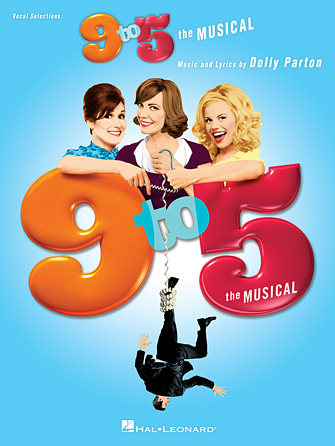
After much back and forth, the film was finally adapted into a musical written by Patricia Resnick and music/lyrics done by Dolly Parton. It ran for 24 previews and 148 performances with mixed reviews but garnered many fans.
I hope you learned something new! Check out some of my other blogs and learn more about the world of musical theatre 🙂 See you later!
Right now, you can stream "9 to 5" on Disney+. Or you can buy it on Amazon Prime and Apple TV.
There are places like Etsy and eBay where you can find specialized items from third-parties. However, there is no offical "9 to 5" merch at this time.
You can! Websites like Amazon and Ebay have DVDs available to buy.
Jane Fonda, Lily Tomlin, and Dolly Parton.
Please read my "The Basics" section 🙂
There is behind the scenes footage in the documentary "Still Working 9 to 5".


