DISCOVER THE WORLD OF MUSICAL THEATRE WITH ME
DISCOVER THE WORLD OF MUSICAL THEATRE WITH ME


"9 to 5" highlights various types of workplace abuse particularly focusing on gender discrimination and power dynamics in a corporate setting.
The main antagonist, Franklin Hart Jr., the boss, engages in multiple forms of abuse toward his female employees.
Although "9 to 5" is a comedy, it exposes several very real and layered forms of abuse operating inside the workplace.
Through Hart’s behavior and the office culture, the film highlights how normalized mistreatment can become when power goes unchecked.
Here are the major types of abuse we see:
This is the most overt form of abuse in the film.
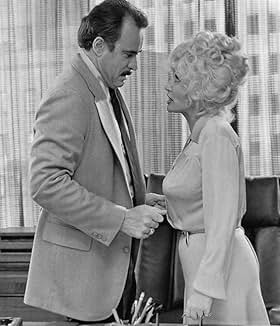
Doralee’s treatment reflects how women are often sexualized, disbelieved, or blamed for male misconduct.
The abuse is both verbal and reputational damaging her standing in the office.
Hart constantly belittles and humiliates employees.
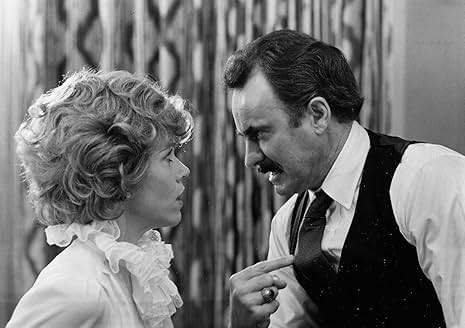
This creates a hostile work environment where employees feel small, powerless, and fearful.

Hart weaponizes insecurity and fear.
This kind of abuse is subtler but deeply damaging. It erodes confidence and fosters paranoia.
Economic control is a major theme.

Economic abuse keeps employees dependent and trapped. The threat of unemployment becomes a tool of control.
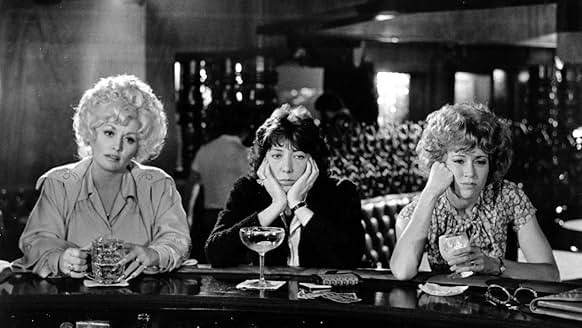
The film highlights systemic sexism.
This isn’t just Hart. It’s institutional. The company culture enables him.
Hart creates an environment of intimidation.

Bullying reinforces hierarchy and discourages resistance.
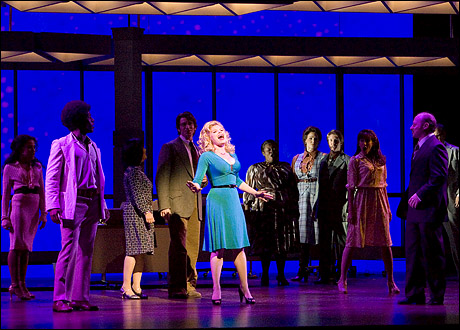
The rumor about Doralee “sleeping with the boss” is a powerful form of abuse.
Reputation damage:
This is particularly gendered as women’s reputations are weaponized more easily.
Judy’s abuse happens mostly offscreen or offstage, but it’s emotionally devastating and very real.
Her ex-husband’s, Dick's, betrayal doesn’t just end her marriage. It destabilizes her identity, finances, and confidence.
Here’s what she goes through:
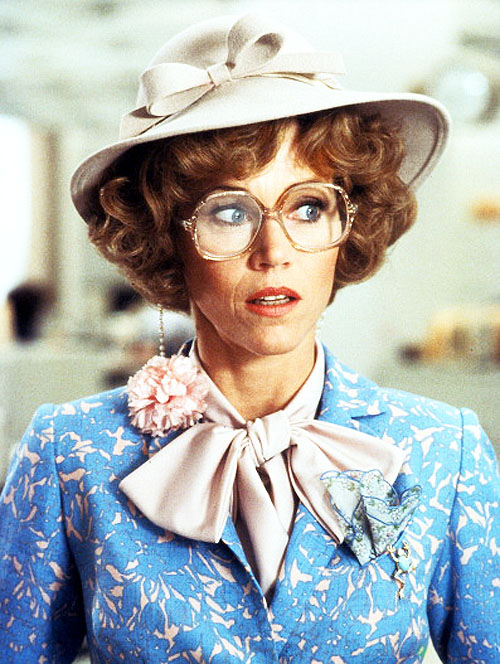
Her husband leaves her for his secretary, a cruelly ironic detail that mirrors the workplace sexism in the film.
This creates deep insecurity.
When she starts her job, she is timid, apologetic, and unsure of herself.
One of the most significant aspects of Judy’s situation is financial vulnerability.

While we don’t see explicit manipulation like withheld money, the power imbalance is obvious. He had economic control, and once he leaves, she is left scrambling to survive.
That’s a form of structural economic abuse. Dependency followed by abandonment.
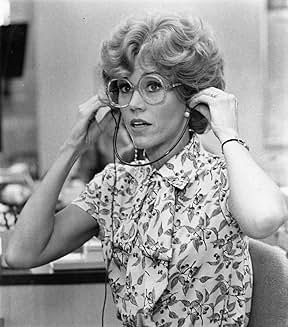
Judy enters the office already wounded.
Her ex-husband’s betrayal has conditioned her to see herself as inadequate.
She internalizes blame instead of anger at first. That’s classic post-emotional abuse behavior.
Before the divorce, Judy’s identity was “wife.” Afterward, she has no clear sense of self.
The film quietly critiques how women were socialized to:
When that foundation collapses, Judy has to rebuild from scratch.
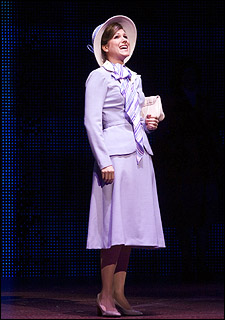
Judy’s arc is about breaking free from this control, gaining independence, and realizing she doesn’t need a man to define her worth.
Her song “Get Out and Stay Out” in the musical is a powerful anthem of self-liberation marking her full rejection of Dick’s manipulation and her embrace of her newfound strength.
Unlike Doralee (who faces sexual harassment) or Violet (who faces professional suppression), Judy’s abuse is domestic and intimate.
Her journey is about reclaiming:
By the end of the story, she’s confident, assertive, and thriving.
Her transformation is one of the most subtle but powerful in the story, because it shows that freedom from emotional and economic dependence can be just as revolutionary as overthrowing a tyrannical boss.
Doralee’s abuse is the most visible and overt in "9 to 5", and it centers on how women’s bodies and reputations are weaponized in male-dominated workplaces.
Here’s what she endures:

This is the clearest and most persistent abuse.
The harassment isn’t subtle. It’s aggressive and entitled.
Hart believes his position gives him access to her.
Perhaps even more damaging is Hart spreading the false rumor that Doralee is sleeping with him.
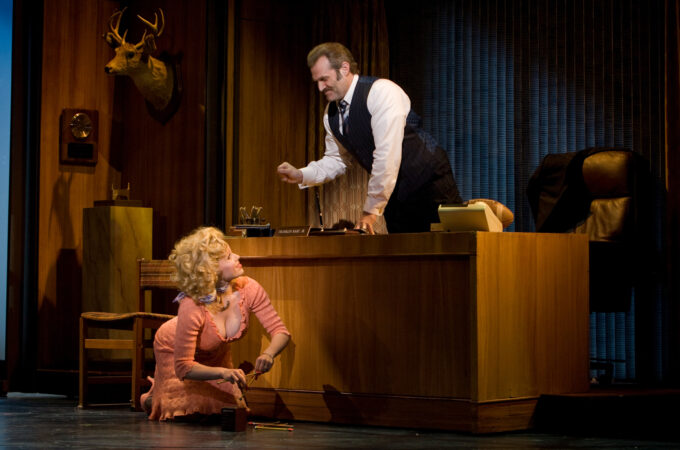
This kind of abuse is deeply gendered.
A man gains status from such a rumor. A woman loses credibility and respect.
Doralee is punished socially for something she never did.

Doralee is constantly reduced to her appearance.
Even women in the office initially judge her. The story shows how gossip compounds the abuse.
Despite being highly competent:
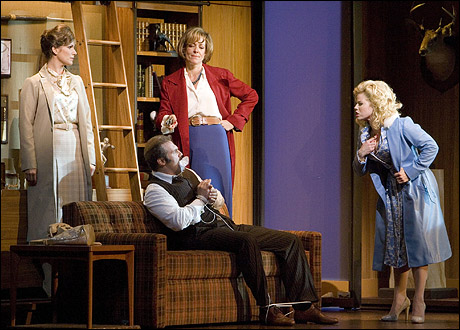
Her skills are ignored, because she doesn’t fit the “respectable” image of a professional woman.
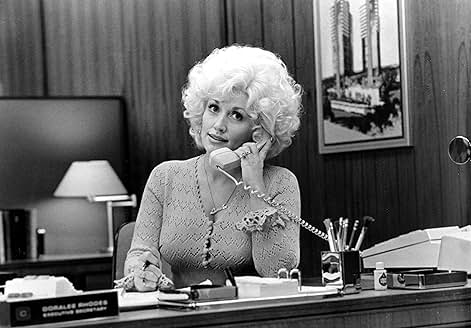
Doralee lives under constant scrutiny.
There’s a quiet exhaustion in that kind of environment being hyperaware of how others perceive you.
Doralee’s arc is about reclaiming her power. Doralee’s experience exposes how sexual harassment isn’t just about unwanted advances. It’s about power, control, and narrative ownership.
She stands up to Hart in one of the most iconic moments of the story, threatening him with a gun in the film and strongly asserting herself in the story.
Her journey highlights the importance of self-respect and standing against workplace harassment.
Hart tries to control:
But, by the end, Doralee reclaims her voice. When she confronts him, it’s a turning point.
The story makes it clear: she was never the problem. The system that allowed him and the other employees to behave that way was.
Violet’s abuse is less sexual and more institutional, but it is just as damaging.
She represents the competent woman who keeps the system running while men take the credit.
Here’s what she goes through:
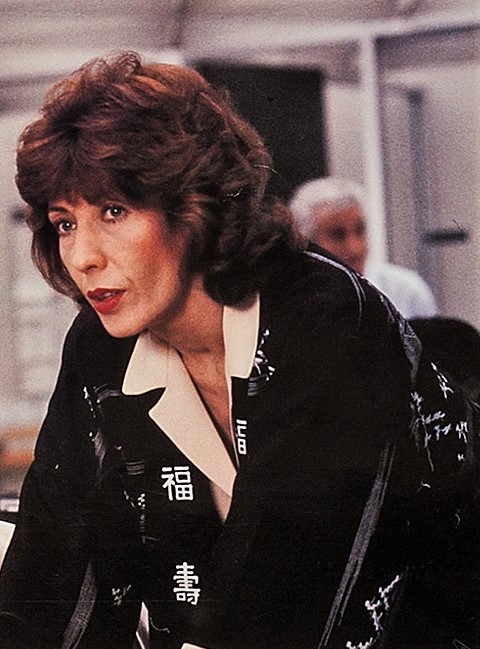
Violet has worked at the company for years, and she has done the following:
Yet, when promotions come, men are chosen over her. Her labor is exploited while her advancement is blocked.
It is quickly evident that:
This is economic abuse at a systemic level. Her value is recognized in practice but denied in pay.
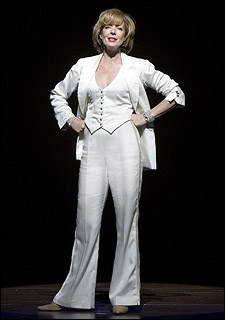
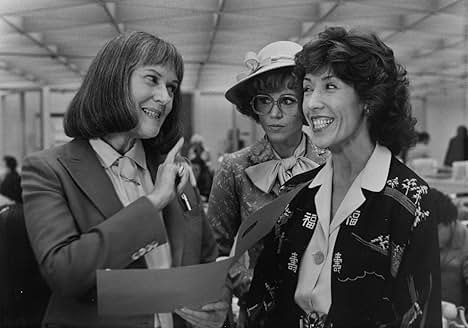
Franklin Hart routinely:
This kind of abuse attacks professional identity. It tells her that no matter how capable she is her success will always be claimed by someone else.
Hart belittles her authority in front of others.
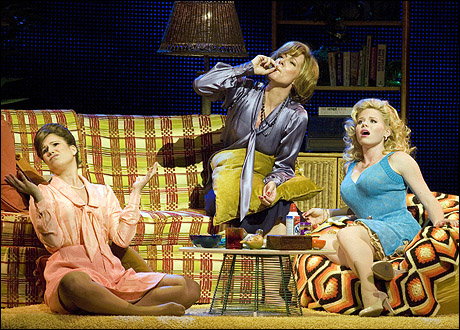
Because Violet is outspoken and capable, she is labeled difficult instead of respected.
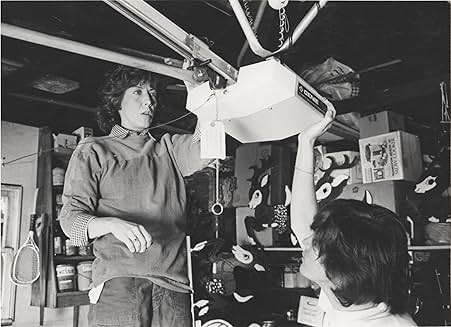
Violet carries the emotional weight of being:
Unlike Judy, she doesn’t enter the story unsure of herself. She enters exhausted. Her anger is the result of long-term systemic suppression.
Violet’s arc is about proving her worth and taking control. She represents structural sexism more than personal harassment.
Doralee is sexualized.
Judy is destabilized by domestic betrayal.
Violet is professionally suffocated.
Her abuse isn’t flashy. It’s normalized.
The story critiques a corporate culture that depends on women’s labor while denying them authority.
When Violet ultimately steps into leadership, it’s not revenge. It’s a correction.
The system works better when the most qualified person is allowed to lead.
By the end of the story, she finally gets the promotion she deserves symbolizing the importance of fighting for workplace equality and fair treatment.
What makes "9 to 5" effective is that the abuse isn’t exaggerated fantasy. It’s grounded in recognizable workplace dynamics of the 1970s.
The story uses humor to make the injustice digestible, but underneath the comedy is a critique of:
The women’s rebellion becomes not just revenge, but a restructuring of power.
I hope you learned something new! Check out some of my other blogs and learn more about the world of musical theatre 🙂 See you later!