
DISCOVER THE WORLD OF MUSICAL THEATRE WITH ME
DISCOVER THE WORLD OF MUSICAL THEATRE WITH ME

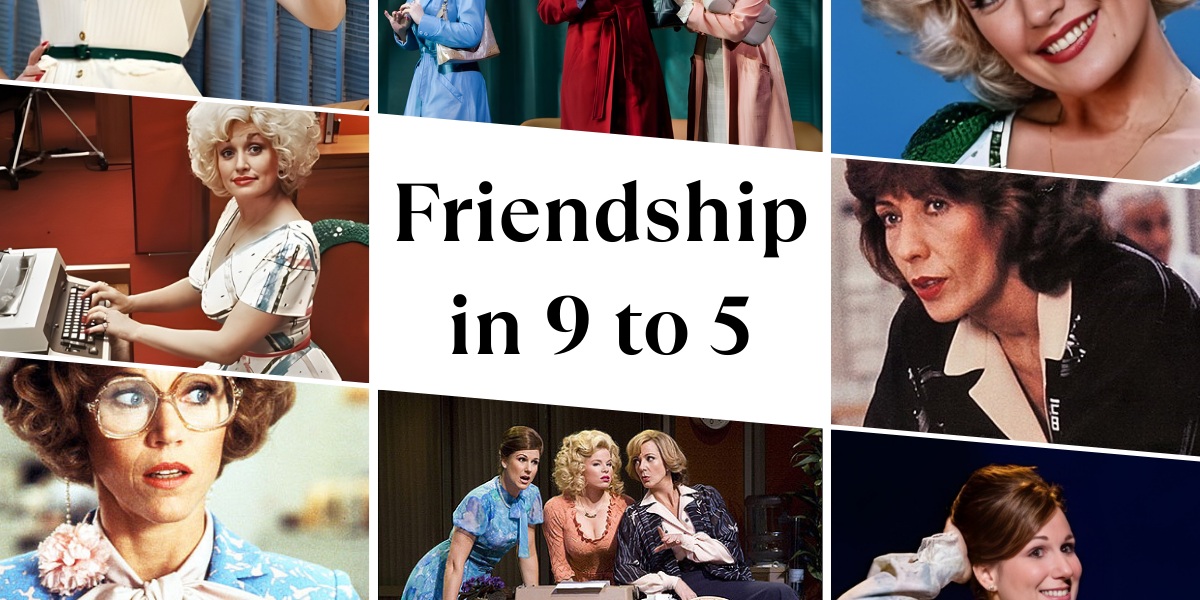
Violet, Judy, and Doralee's friendship is at the core of the film.
At first, they don’t trust each other. Violet sees Judy as naive, and both she and Judy wrongly judge Doralee based on workplace gossip.
But as they bond over their shared struggles, they become a powerful team that challenges the system and wins.
The theme of friendship in "9 to 5" is not just a subplot.
It is the emotional and political engine of the entire story.
Violet, Judy, and Doralee’s friendship forms slowly and imperfectly, beginning in distrust and misunderstanding before growing into a bond strong enough to challenge a deeply unjust system. The story argues that solidarity, especially among women in hostile environments, is not automatic but must be built through empathy, shared experience, and mutual respect.

At first, the women are divided by assumptions shaped by workplace hierarchy and sexist gossip.
Violet sees Judy as naive and unprepared for the harsh realities of office life, assuming her vulnerability makes her weak. Judy, newly divorced and insecure, looks to Violet for guidance but is also quick to accept the office rumors about Doralee.
Doralee, meanwhile, is unfairly judged by both women as someone who uses her appearance to get ahead, when in reality she is one of the most competent and professional employees in the office.
These early tensions reflect how patriarchal systems often pit women against one another, encouraging suspicion rather than solidarity.
Their friendship begins to take root once they realize that, despite their differences, they are all suffering under the same oppressive boss and workplace culture.
Sharing personal stories about Violet’s stolen credit, Judy’s emotional upheaval after her divorce, and Doralee’s constant objectification allows them to see each other clearly for the first time. These moments of vulnerability are crucial: friendship is born not from similarity, but from recognition.

As they listen to one another, judgment gives way to understanding, and isolation turns into collective strength.

By the time Violet, Judy, and Doralee begin actively working together, their friendship has become a form of resistance.
Each woman brings something essential to the team: Violet’s experience and leadership, Judy’s growth in confidence and courage, and Doralee’s ingenuity and emotional intelligence. Their success is not portrayed as individual triumph but as a shared victory made possible only through trust and cooperation.
The film makes it clear that none of them could have succeeded alone.
Ultimately, "9 to 5" presents friendship as transformative.
Through their bond, the women not only change their workplace but also change themselves. Judy finds her voice, Violet claims the authority she has always deserved, and Doralee gains recognition free from objectification.
Their friendship becomes a quiet revolution proof that when women stop judging one another and start standing together, they can challenge even the most entrenched systems and win.
In "9 to 5", the friendship between Violet, Judy, and Doralee is powerful precisely, because it is not uniform.
Each relationship develops differently, shaped by contrasting personalities, life stages, and insecurities. Together, these dynamics form a complete support system one that allows each woman to grow in ways she could not alone.
Violet and Judy’s friendship begins as an uneven, almost reluctant mentorship.
Violet initially sees Judy as fragile and inexperienced. Another woman who won’t survive the realities of the workplace. Her impatience reflects Violet’s own exhaustion: she has had to be tough for so long that vulnerability feels like a liability.
Judy, meanwhile, looks to Violet as a guide, clinging to her strength because she feels she has none of her own.


As the story progresses, this dynamic evolves into something more equal.
Judy’s gradual confidence forces Violet to confront her own stagnation. Violet has accepted being overlooked for years, while Judy new, unsure, but increasingly brave dares to imagine something better.
In this way, Judy becomes a mirror for Violet, reminding her of the ambition and self-worth she has buried.
Their friendship ultimately becomes reciprocal: Violet offers experience and steadiness, while Judy offers emotional honesty and renewal.
Together, they represent different generations of women learning from one another rather than competing.
Violet’s relationship with Doralee is built on the hardest lesson of all: unlearning internalized sexism.
Violet initially believes the gossip about Doralee assuming she advances through flirtation rather than competence. This judgment stems not from malice, but from frustration: Violet has followed every rule and still been denied recognition while Doralee appears to benefit from attention Violet herself has been punished for rejecting.
Once Violet sees Doralee’s integrity, professionalism, and boundaries, the dynamic shifts dramatically.
Violet comes to respect Doralee not just as a coworker, but as an equal who has endured a different, equally damaging, form of workplace abuse.
Doralee, in turn, never resents Violet’s initial mistrust. Instead, she meets it with humor and grace.


Their friendship represents the dismantling of false hierarchies among women and the realization that respect must replace resentment if real change is to happen.
Judy and Doralee’s bond is the most emotionally gentle of the three.
Judy initially buys into the rumors about Doralee because she is insecure and eager to fit in, but she is also the first to openly apologize and reassess her assumptions. Doralee responds with warmth rather than defensiveness offering Judy reassurance and acceptance at a moment when Judy feels most lost.
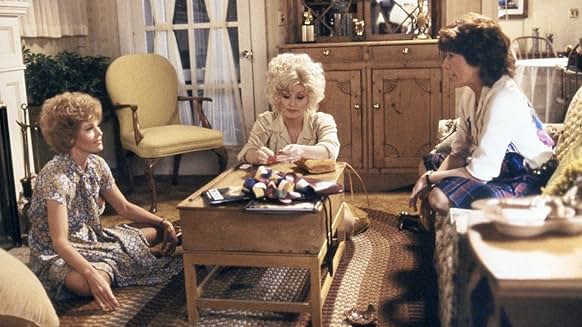

Doralee becomes a source of confidence for Judy not by dominating her, but by modeling self-assurance without cruelty.
Judy learns that strength does not require hardness, and that femininity and competence are not opposites.
In return, Judy offers Doralee sincere emotional validation, seeing her not as an object of gossip but as a whole person.
Their friendship underscores the importance of kindness in empowerment: confidence grows fastest when nurtured not demanded.
What makes their friendship so meaningful is that each woman fills a role the others lack. Violet provides leadership and strategy, Judy brings emotional growth and moral clarity, and Doralee contributes empathy, creativity, and resilience.
None of these qualities alone would be enough to dismantle the system they face, but together, they form a unified force.
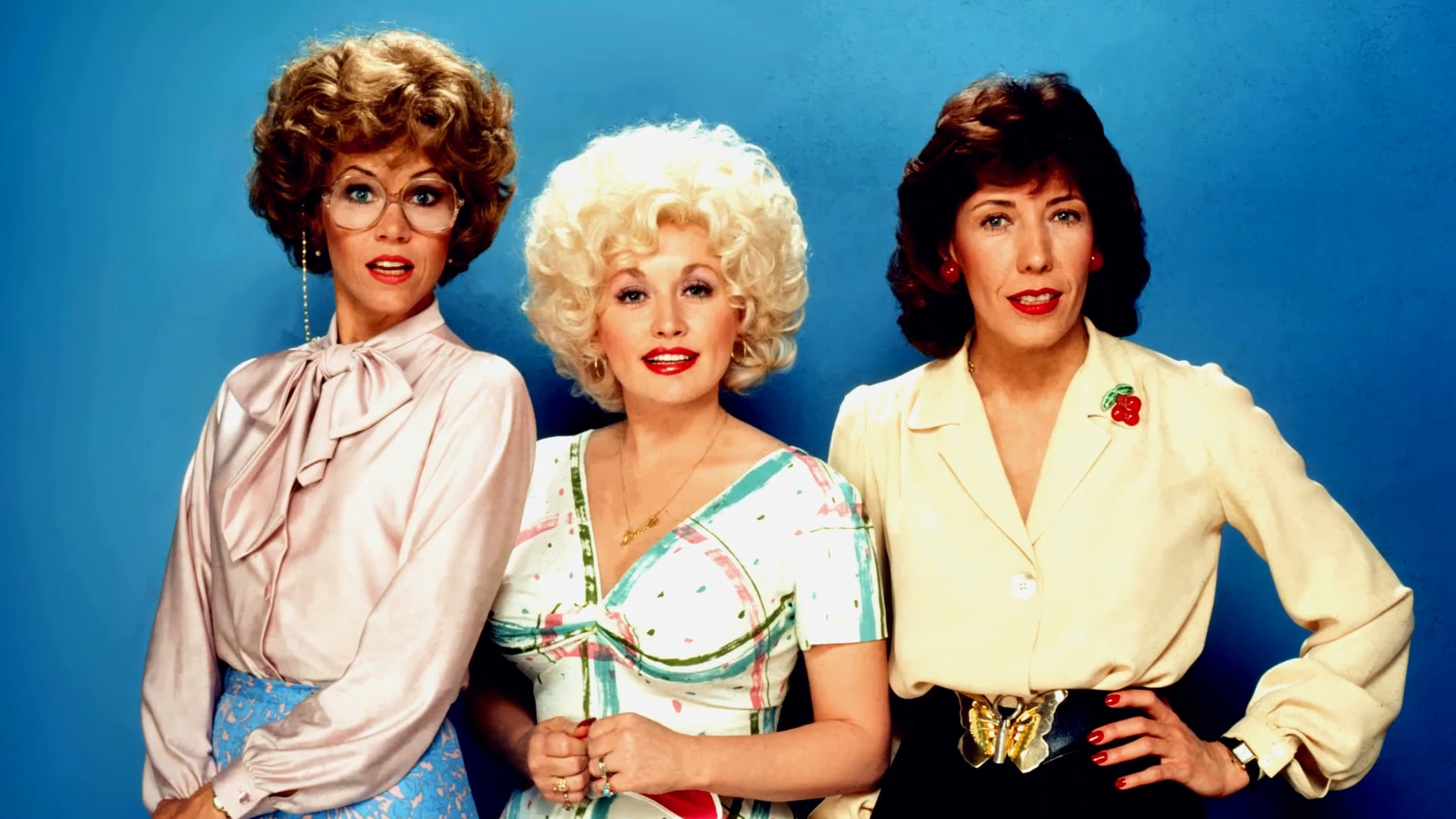
Their friendship is not based on sameness, but on trust earned through shared struggle. By learning to believe one another, defend one another, and celebrate one another’s strengths, Violet, Judy, and Doralee create a bond that is both personal and revolutionary.
"9 to 5" ultimately suggests that real friendship especially among women is not just comforting, but transformative: it gives individuals the courage to demand better and the power to make change stick.