DISCOVER THE WORLD OF MUSICAL THEATRE WITH ME
DISCOVER THE WORLD OF MUSICAL THEATRE WITH ME


9 to 5 is packed with gender dynamics, particularly in how it portrays workplace sexism, female solidarity, and contrasting male behaviors.
"9 to 5" is packed with gender dynamics, particularly in how it portrays workplace sexism, female solidarity, and contrasting male behaviors.
Here are a few key ways gender plays out in the story:
Men vs. Women - The Power Struggle
This is the dominant gender dynamic in "9 to 5".
The story is built on the conflict between Franklin Hart Jr. who represents sexist workplace authority, and the three female leads who push back against his control.
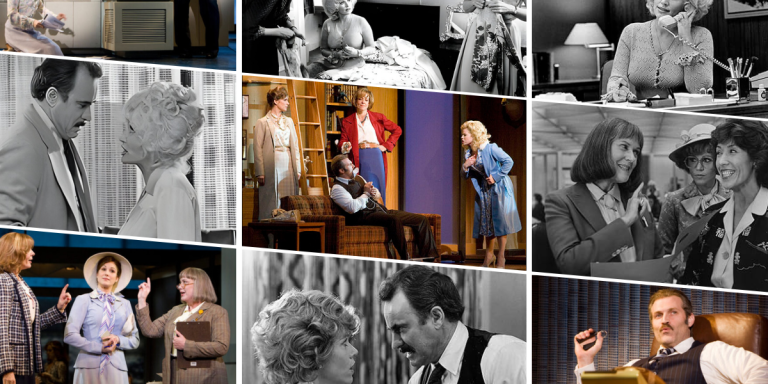
Franklin Hart Jr. is the clearest representation of gendered workplace oppression. He uses his authority to belittle and control women from objectifying Doralee to blocking Violet’s promotion.

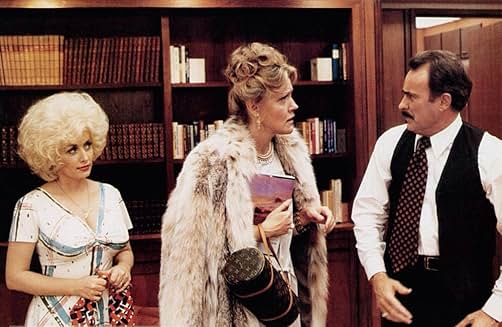
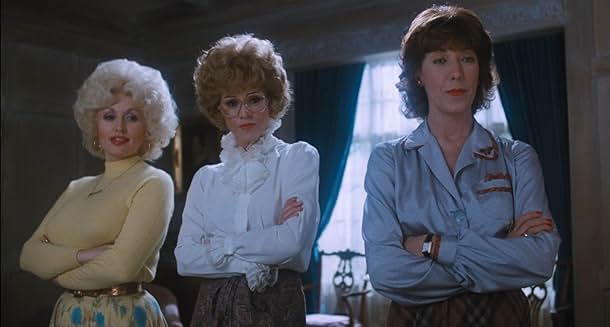
Violet, Judy, and Doralee push back against this oppression, forming a united front that challenges Hart’s dominance. Their eventual takeover of the office flips the power dynamic, showing women reclaiming control.
Violet, Judy, and Doralee each represent different ways women respond to gendered oppression:

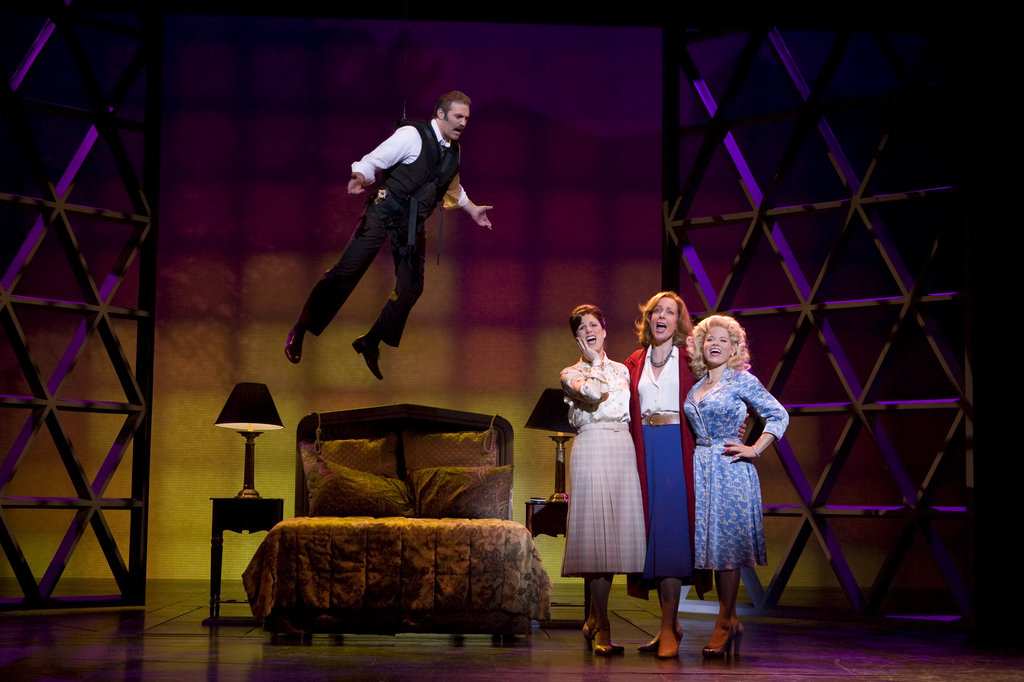
Hart, who used his power to exploit others, is literally restrained symbolizing the reversal of gender-based oppression.
When the women take control of the office, they challenge the gender norms Hart has enforced. They implement progressive changes that benefit both men and women showing that leadership by women isn’t just about revenge. It’s about fairness.
Women vs. Women – Sexism & Rivalry
While "9 to 5" focuses on women banding together, it also acknowledges how sexism can pit women against each other.
Roz Keith, Hart’s devoted assistant, enforces the office’s toxic hierarchy. She spies on the other women and reinforces Hart’s control, showing how some women align with patriarchy to gain security or status.
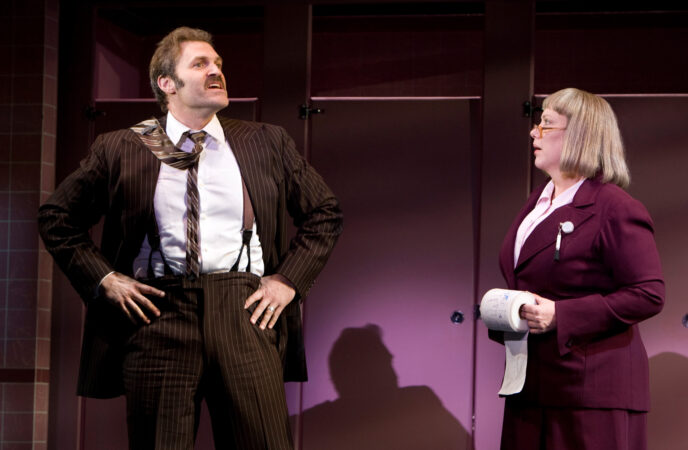
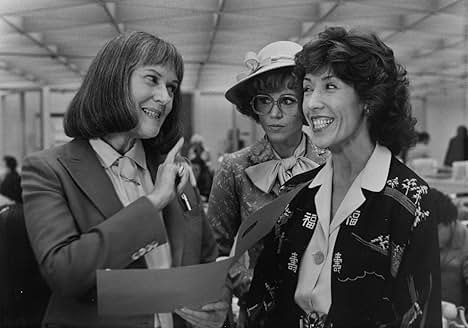
At first, Doralee is ostracized because the other women assume she’s sleeping with Hart. This highlights how sexism and misogyny causes women to distrust each other rather than blame the man in power.
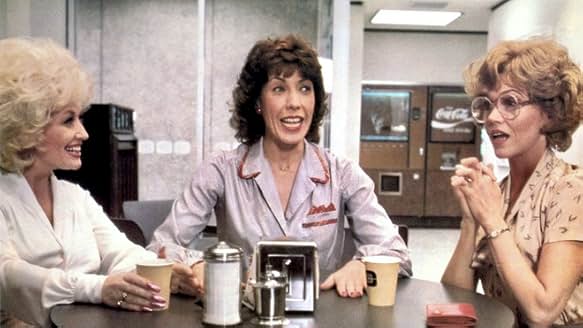
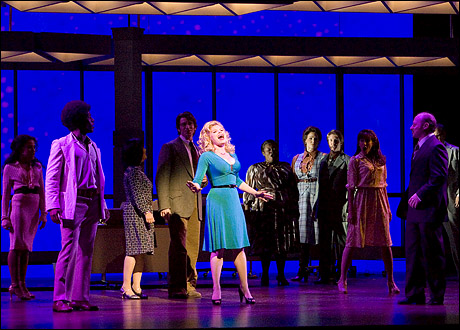
Once the women realize that their real enemy is Hart, not each other, they unite.
This is an important message: women are stronger when they support one another rather than competing for male approval.
There isn’t a direct “men vs. men” conflict in "9 to 5", but the show contrasts different types of masculinity through Hart vs. Joe in the musical.
Hart abuses his power instead of respecting the women around him.
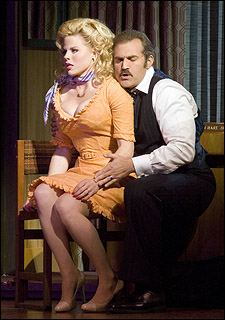
Joe represents a different kind of masculinity. Unlike Hart, who abuses his power, Joe respects Violet’s intelligence and supports her leadership. Their dynamic contrasts toxic masculinity with positive male allyship.
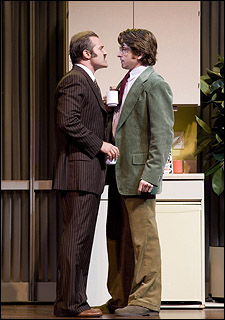
Hart represents the old-school, male-dominated workplace where men advance by keeping women down.
Joe represents a new, progressive workplace where men and women can work as equals.
The show suggests that men don’t have to be like Hart to be successful. They can be like Joe and still thrive.
"9 to 5" uses humor and satire to expose real gender struggles while offering a hopeful vision of change.
The musical highlights:
I hope you learned something new! Check out some of my other blogs and learn more about the world of musical theatre 🙂 See you later!