DISCOVER THE WORLD OF MUSICAL THEATRE WITH ME
DISCOVER THE WORLD OF MUSICAL THEATRE WITH ME

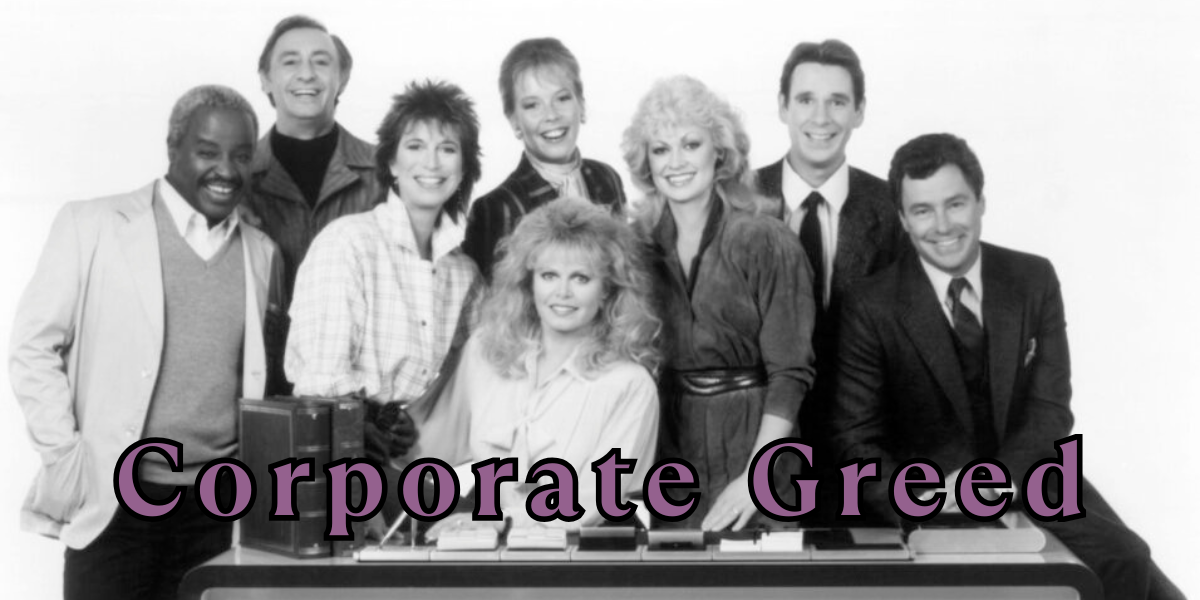
The show emphasizes the difficulty of making a living, being overlooked for promotions, and fighting against unfair pay.
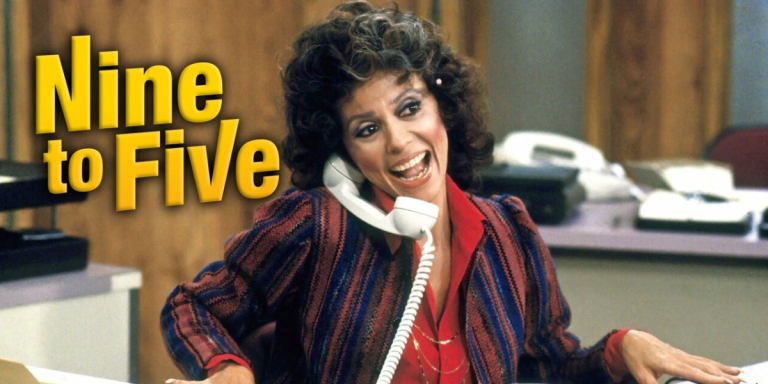
The TV sitcom "9 to 5" extends the themes of corporate greed and economic struggle introduced in the film by grounding them in everyday, ongoing workplace realities.
Rather than focusing on one dramatic act of rebellion, the series emphasizes how difficult it is to make a living when corporate systems are stacked against workers especially women through chronic underpayment, stalled advancement, and exploitative management practices.
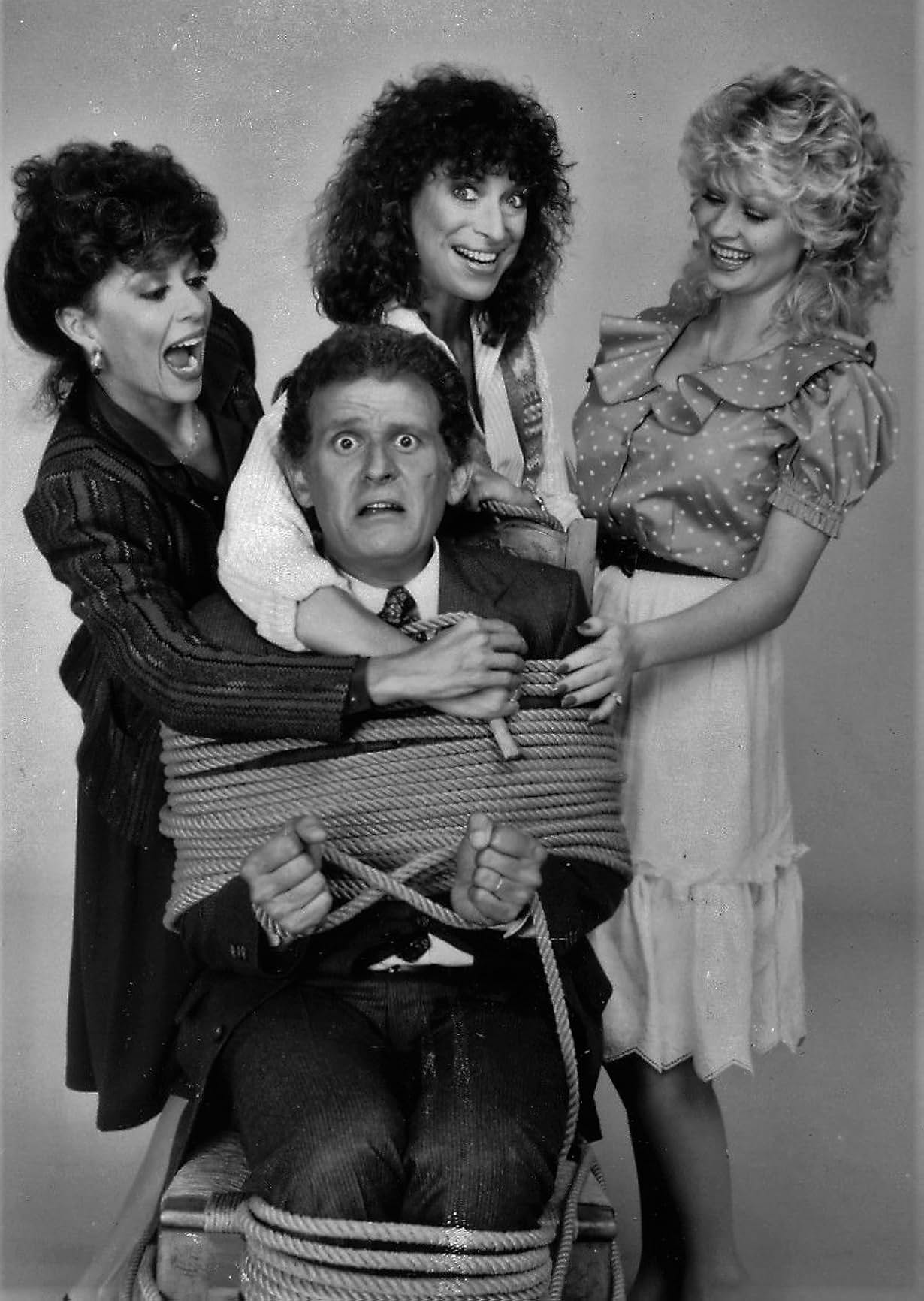
The show repeatedly highlights how working hard does not guarantee financial stability.
Characters live paycheck to paycheck, juggle personal responsibilities alongside demanding jobs, and face constant anxiety about job security. Raises are rare, promotions are dangled but delayed, and loyalty to the company is rarely rewarded.
This reflects reality. The system relies on workers’ labor while offering minimal financial growth in return.
A major expression of corporate greed in the series is not just low pay but who gets recognized.
Capable, experienced employees particularly women are consistently overlooked for promotions in favor of less-qualified individuals who fit corporate power structures.
Merit takes a backseat to favoritism, image, and hierarchy reinforcing the idea that the corporate ladder is intentionally difficult to climb for those without institutional privilege.


The sitcom treats unequal pay not as an occasional injustice but as a built-in feature of corporate culture. Workers are expected to accept unfair wages quietly.
When characters push back, they are often framed as “difficult” or “ungrateful" underscoring how corporate greed maintains control by discouraging resistance.
While the show is comedic, its humor sharpens the critique rather than softening it.
Laughing at absurd policies, clueless executives, and blatant hypocrisy becomes a survival mechanism for workers trapped in an unfair system.

Comedy allows the show to expose exploitation while also validating the frustrations of viewers who recognize these dynamics in their own lives.
Ultimately, "9 to 5" portrays economic struggle as something systemic, not personal failure.
The sitcom suggests that no amount of individual effort can fully overcome corporate greed without structural change.
By consistently returning to issues of low wages, stalled careers, and managerial exploitation, the show reinforces the idea that the fight for fair pay and recognition is ongoing and that simply “working harder” is rarely the solution.
I hope you learned something new! Check out some of my other blogs and learn more about the world of musical theatre 🙂 See you later!