DISCOVER THE WORLD OF MUSICAL THEATRE WITH ME
DISCOVER THE WORLD OF MUSICAL THEATRE WITH ME

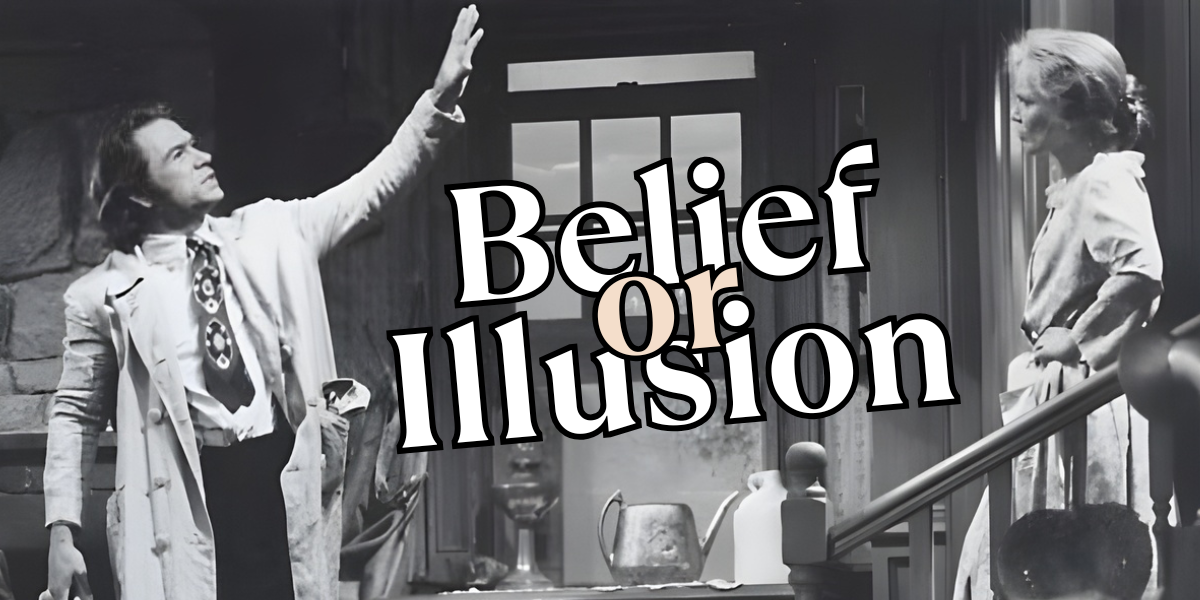
Starbuck’s rainmaking blurs the line between faith and fraud.
The show never offers an easy answer as to whether belief itself has power even if the source of that belief is questionable.
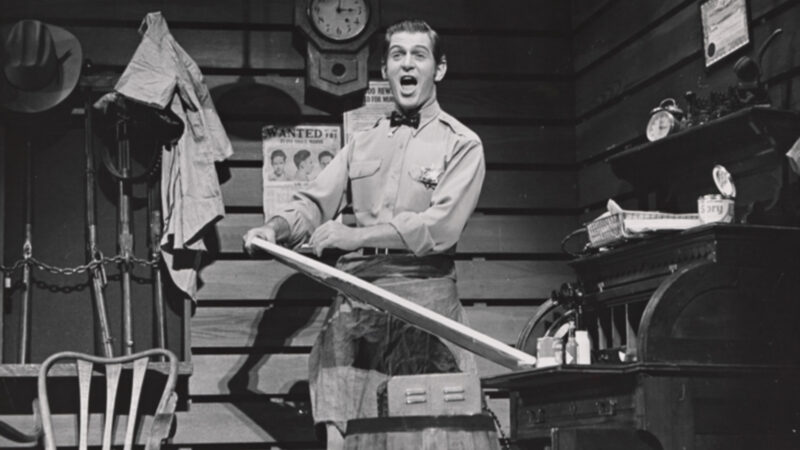
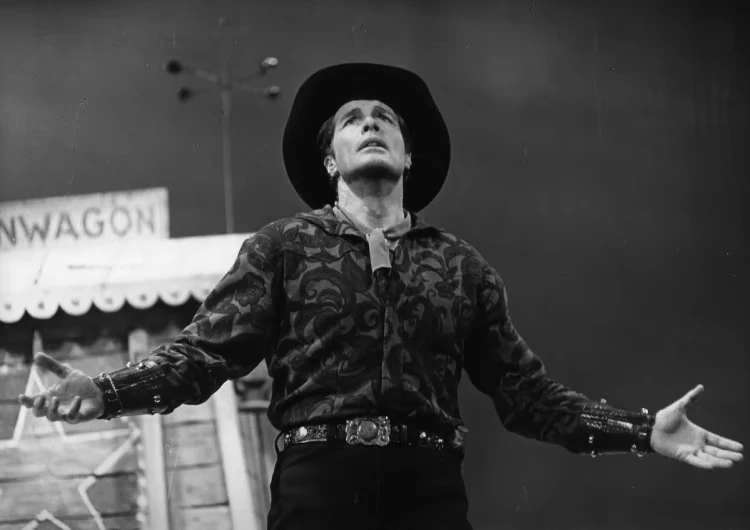
At the center of both N. Richard Nash’s play "The Rainmaker", its 1956 film adaptation, and the musical "110 in the Shade" stands Bill Starbuck who is charming, theatrical, magnetic, and possibly a complete fraud. He claims he can bring rain to a drought-stricken Kansas farm for $100. But the real storm he stirs up isn’t in the sky. It’s in the hearts of the Curry family especially Lizzie.
The tension that drives the story isn’t simply “Will it rain?”
It’s this: Is belief itself powerful even if the man who inspires it is a con artist?
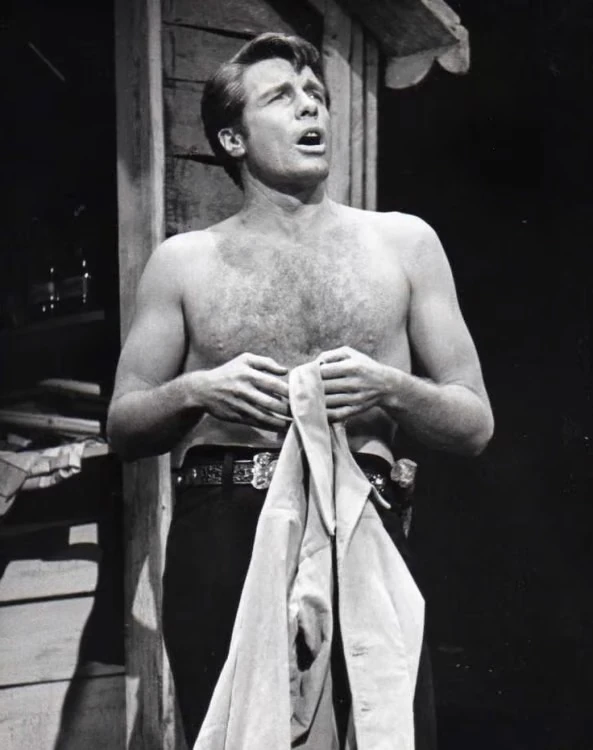
Starbuck operates in ambiguity.
He speaks like a revival preacher, sells like a carnival barker, and performs like an actor who knows he’s always on stage.
He never definitively proves he can make rain.
He never outright admits he cannot.
He pivots constantly between sincerity and showmanship.
In the play and film, his language is grand and mythic. He doesn’t just promise rain, he promises possibility.
In the musical, this theatricality becomes even more explicit: he sings, he dazzles, he turns persuasion into spectacle.
But here’s the crucial point: the show never confirms whether he is purely fraudulent.
Rain does come.
Coincidence? Meteorology? Divine intervention? Or did belief itself somehow matter?
The drought outside mirrors Lizzie’s internal drought. She believes she is plain, unwanted, and destined for smallness.
Sheriff File offers her a cautious, safe, practical love without risk.
Starbuck offers something far more dangerous: the possibility that she is extraordinary.
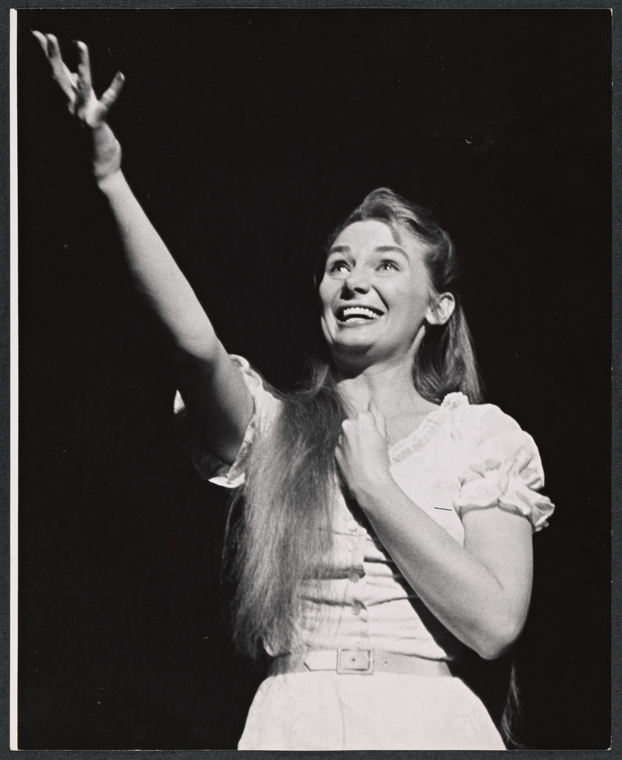
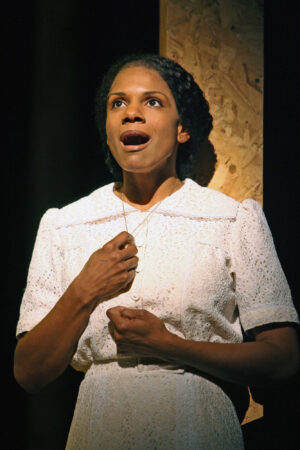
In "110 in the Shade", this theme is sharpened through songs like:
Starbuck may be selling rain but what he truly sells Lizzie is belief in herself.
And here’s the thing, even if Starbuck is lying about the rain, he is telling Lizzie the truth about her worth.
So is he a fraud? Or is he a catalyst?
Sheriff File represents grounded realism. He is cautious, hesitant, emotionally restrained. His love is steady but fearful.
Starbuck represents leap-of-faith love. He invites Lizzie to risk humiliation, heartbreak, and transformation.
The contrast sharpens the theme:
Lizzie’s choice isn’t just between men.
It’s between living safely within what she believes about herself.
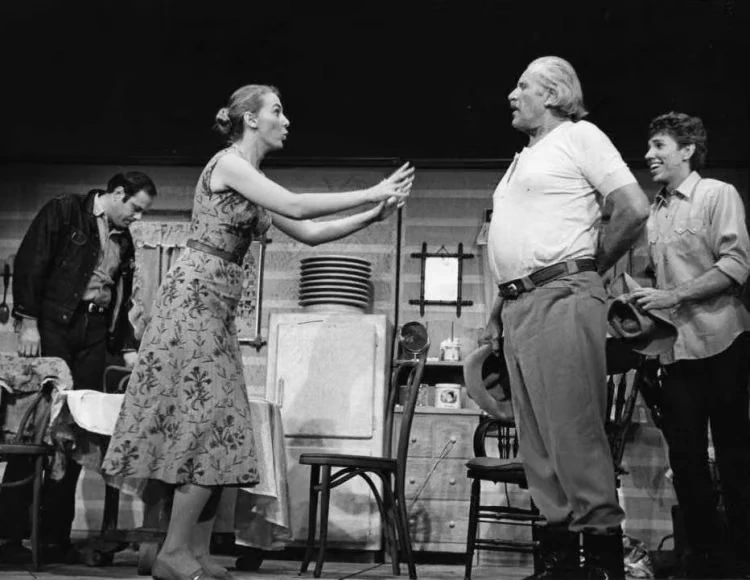
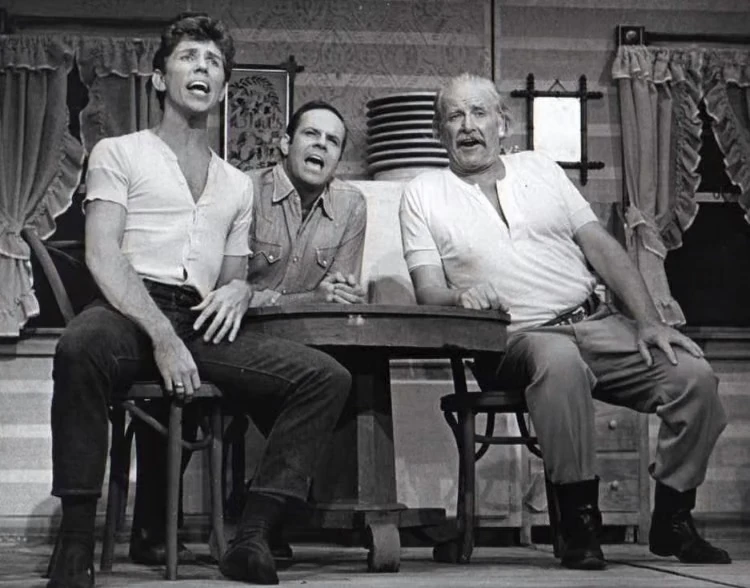
The Curry family believes because they are desperate. Drought has reduced them to hope.
That's where Starbuck comes in.
The ethical question is uncomfortable:
In both versions, Starbuck takes their money. That fact complicates everything. He is not purely altruistic.
And yet, his belief in Lizzie seems genuine. He sees something in her that no one else has named.
When he tells her she’s beautiful, it may be performance… but it changes her life.
Because of this, the story suggests that illusion can awaken truth.
In 110 in the Shade, music heightens the ambiguity. Starbuck’s songs feel intoxicating. His confidence becomes infectious. The score makes us want to believe him.
Which mirrors the experience of the characters.
We, too, are drawn in.
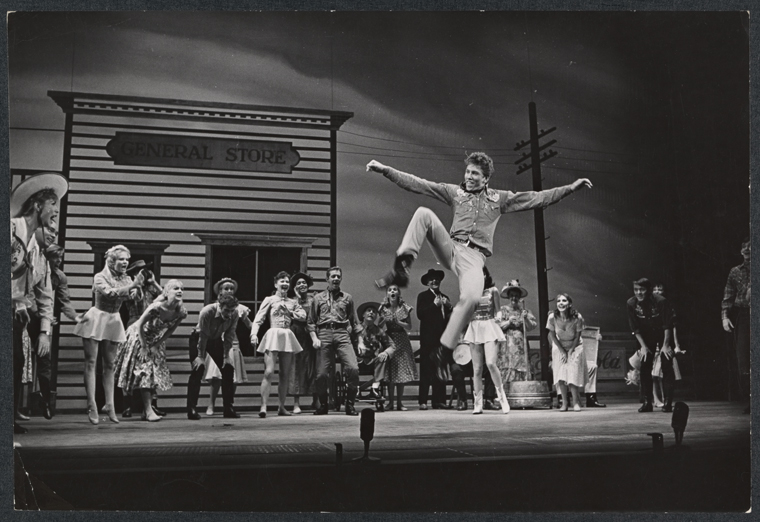
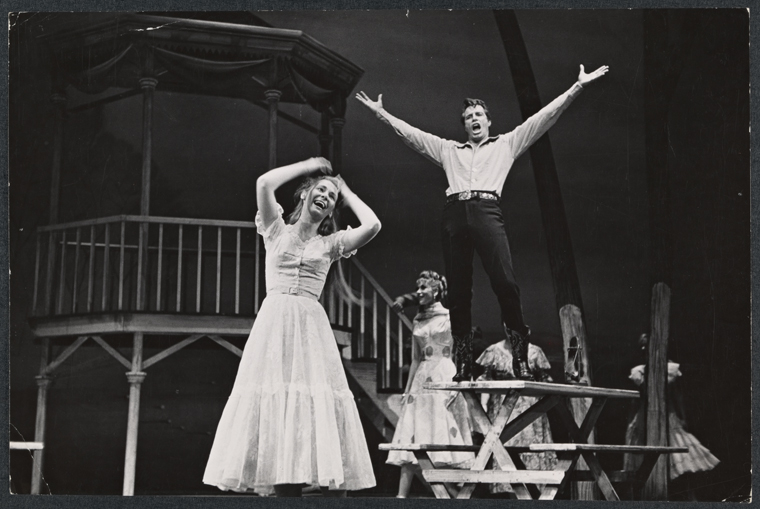
The musical form itself becomes part of the theme: theatre is illusion.
And yet, it moves us. We know it’s staged, but we feel it as real.
But then, there's the question.
If something “false” produces genuine change… was it entirely false?
The brilliance of "The Rainmaker" and "110 in the Shade" is that they never settle the debate.
Starbuck may be a con man.
He may partly believe his own myth.
He may simply understand that people need something to believe in.
But Lizzie’s awakening is undeniably real.
The drought may or may not end because of him.
But her internal drought does.
And that leaves us with this:
And sometimes the miracle isn’t in the rain. It’s in the willingness to hope.
I hope you learned something new! Check out some of my other blogs and learn more about the world of musical theatre 🙂 See you later!