DISCOVER THE WORLD OF MUSICAL THEATRE WITH ME
DISCOVER THE WORLD OF MUSICAL THEATRE WITH ME

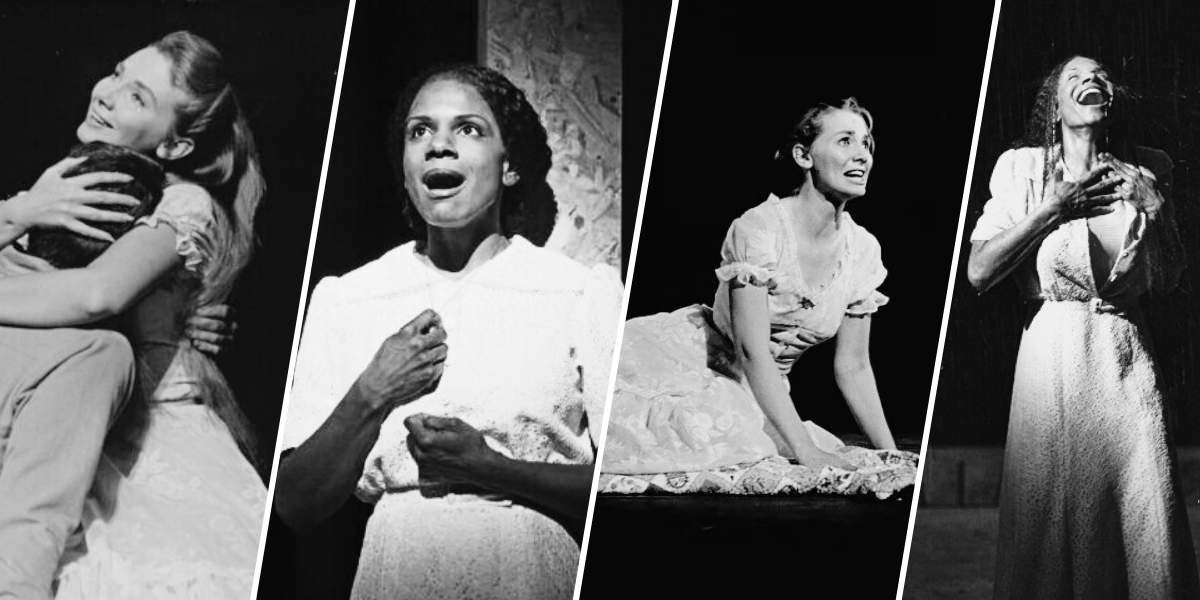
The town's desperate need for rain mirrors Lizzie's longing for love with the arrival of Starbuck symbolizing the possibility of hope in bleak circumstances.
When the Sky Won’t Break: Hope vs. Despair in The Rainmaker and 110 in the Shade
In the play "The Rainmaker", the movie with the same name, and its musical adaptation "110 in the Shade", the land is dying. The crops are brittle. The cattle are failing. The air is suffocating.
But the real drought isn’t in the fields.
It’s in the hearts of the people waiting for rain.
At the center of both stories is a powerful thematic struggle: hope vs. despair.
And what makes these works so enduring is that they don’t treat hope as simple optimism. They treat it as something risky even dangerous.
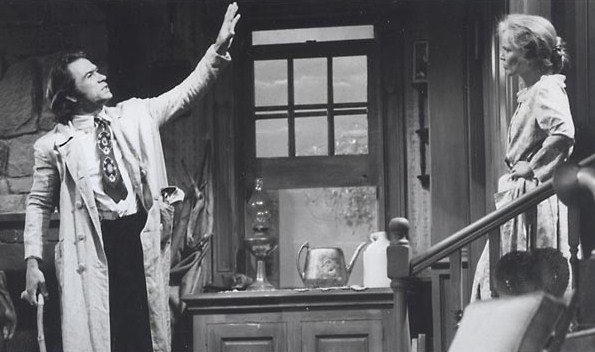
The Curry family is trapped in more than a dry season.
But the deeper drought is internal:

Despair shows up as resignation. They’ve stopped expecting change.
Noah especially embodies despair disguised as practicality. He refuses to be “fooled” by hope. To him, hope is dangerous. because it leads to disappointment.
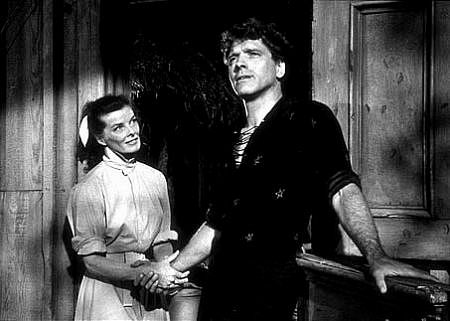
Bill Starbuck arrives as a lightning bolt.
He sells rain, but what he actually sells is belief.
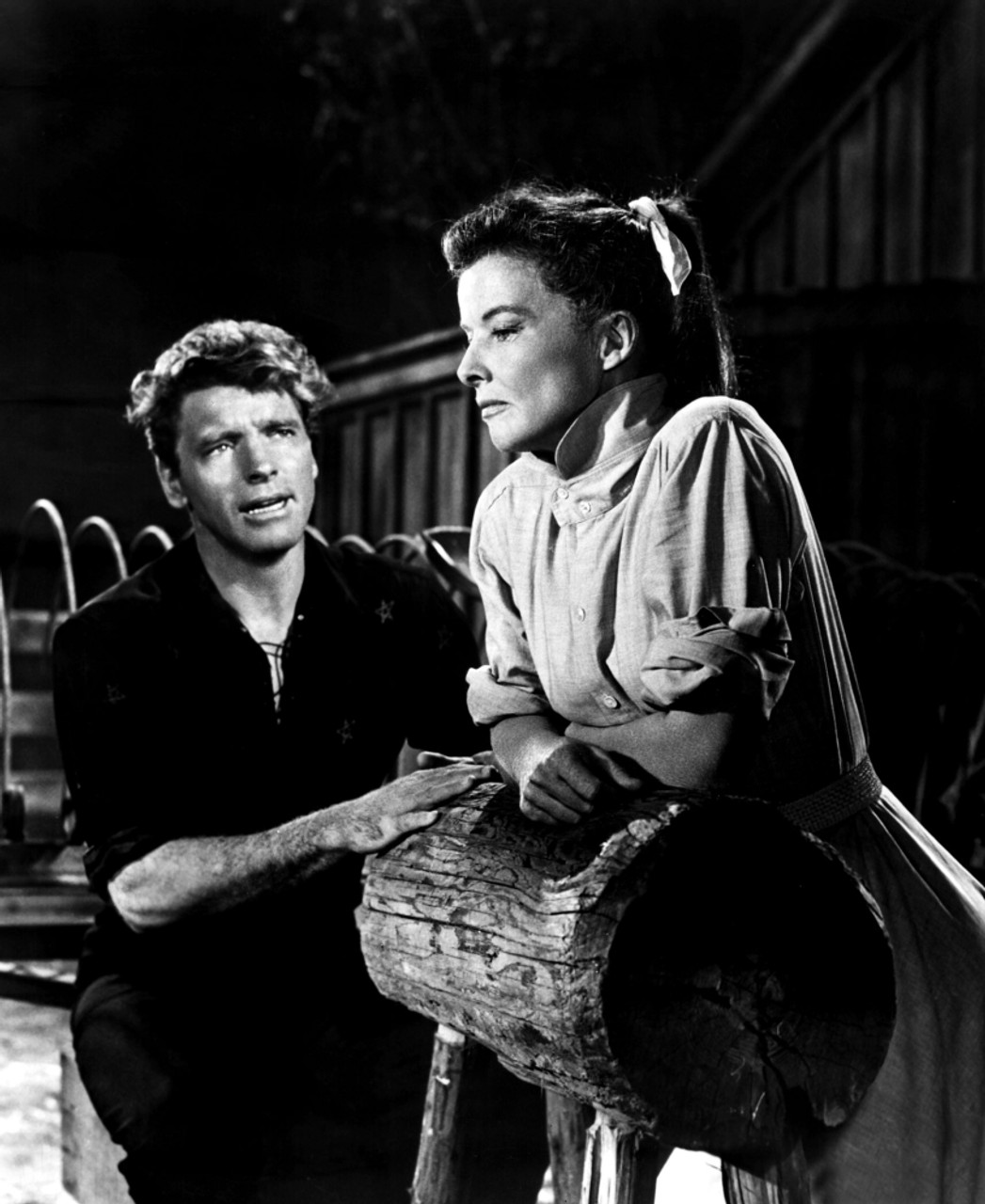
In "The Rainmaker", Starbuck’s power is not meteorological. It’s psychological. He speaks possibility into a house that has forgotten how.
For Lizzie especially, Starbuck represents:
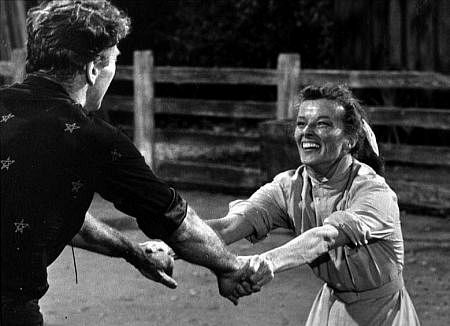
When he tells her she’s attractive, he gives her something revolutionary: imagination.
And that’s where hope begins.
But here’s the tension:
Is hope still hope if it’s built on illusion?
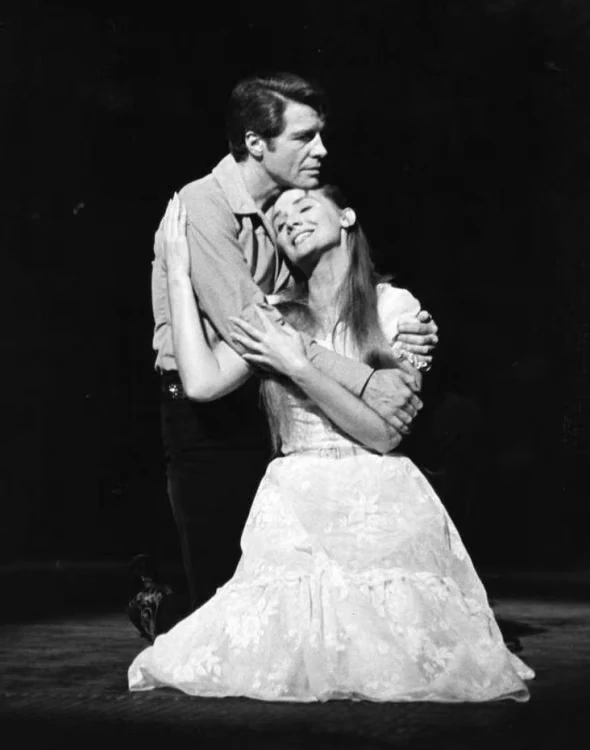
At first, Lizzie’s hope is external.
It depends on Starbuck.
But by the end, something shifts.
She doesn’t need Starbuck to validate her worth anymore. She stands differently. She believes differently.
The rain may or may not fall.
But Lizzie’s despair breaks.
That’s the true miracle.
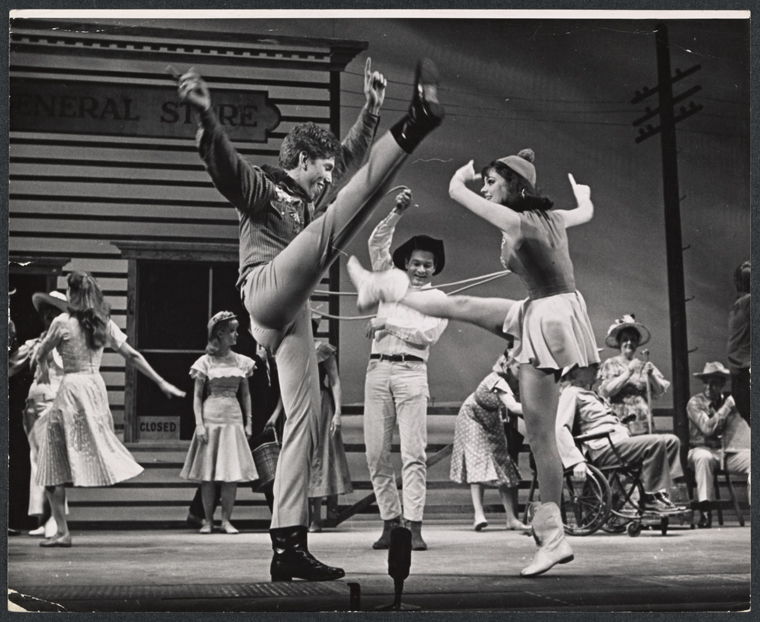
The opening number is exhaustion set to music.
The townspeople sing about:
But it’s not dramatic despair. It’s just simple hopelessness.
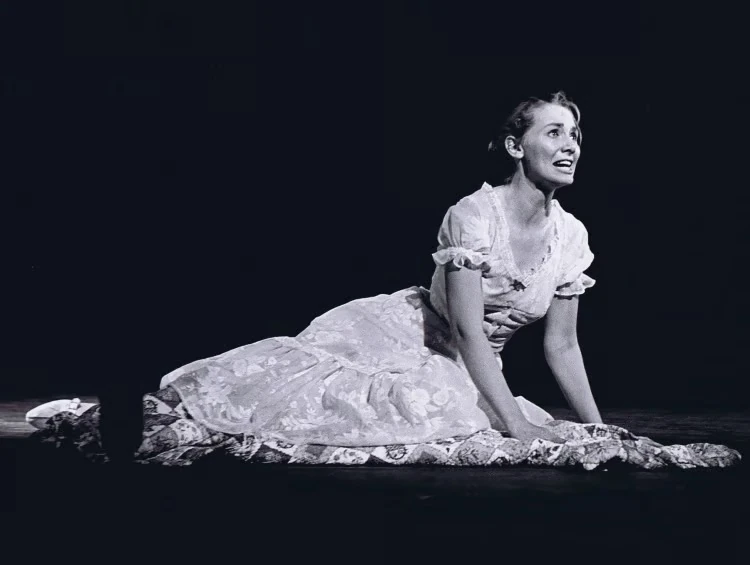
In the musical, Lizzie’s internal despair becomes even more explicit.
She is told to neither settle with someone or remain a old maid forever.
And, this isn’t peace, but hope also feels too risky.
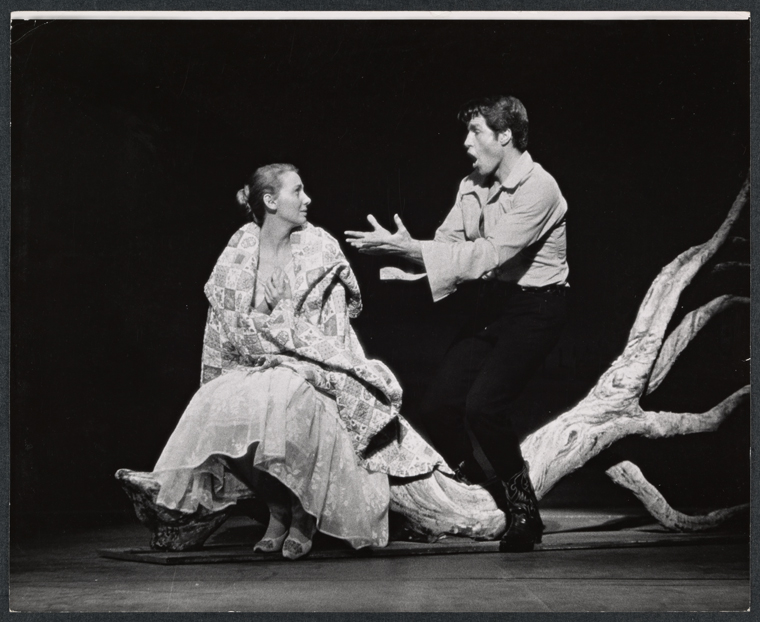
In "110 in the Shade", Starbuck’s optimism is bigger and more theatrical.
Songs like "The Rain Song" and "Melisande" turn hope into spectacle.
He doesn’t just promise rain. He promises transformation.
And music allows that hope to feel intoxicating.
This is the emotional pivot.
Lizzie sings “Is It Really Me?” after Starbuck makes her feel seen.
For the first time, she imagines:
Hope here is not about rain. It’s about identity.
And that’s what makes it dangerous and powerful.
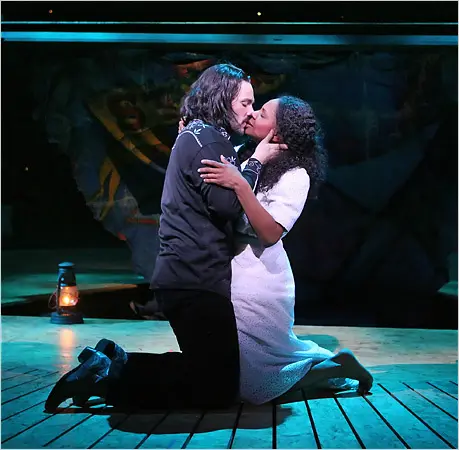
In the end, the story suggests that hope isn’t about rain.
Hope is about courage.
Courage to believe you’re worthy.
Courage to risk disappointment.
Courage to choose love over fear.
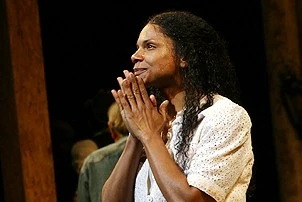
What makes both versions compelling is that they don’t offer easy answers.
The rain may or may not fall.
Starbuck may or may not be sincere.
Hope may or may not pay off.
But something undeniable happens: Lizzie changes.
By the end of the story, she stands differently. She speaks differently. She chooses differently. Whether or not Starbuck stays, she no longer sees herself as doomed to invisibility.
And that’s where the theme ultimately lands.
Despair says:
Protect yourself.
Expect nothing.
Stay small.
Hope says:
Risk disappointment.
Step forward.
Do it anyway.
In both "The Rainmaker" and "110 in the Shade", the drought is real.
The hardship is real.
The uncertainty is real.
But the most dangerous and transformative force in the story isn’t the weather.
It’s hope.
I hope you learned something new! Check out some of my other blogs and learn more about the world of musical theatre 🙂 See you later!