DISCOVER THE WORLD OF MUSICAL THEATRE WITH ME
DISCOVER THE WORLD OF MUSICAL THEATRE WITH ME

When people focus on political topics like feminism, people tend to focus on the negative qualities. All of the pain that comes with being a woman. All of things women have to go through that men don’t.
And while women have gone through a lot throughout history and in particular have gone through some crazy situations in America, people tend to ignore the positive aspects of feminism.
The good things that come with being a woman.
People tend to focus on the hardships rather than the victories that come after.
And this was something I noticed when not only researching the 9 to 5 story, but also on the 9 to 5 movement.
So, instead of talking about the negatives that come with the topic of feminism, I want to focus on the positives of what happens when women band together and make a difference.
What happens when instead of focusing on being a victim you focus on becoming an overcomer?
Before the development of this historic movement, the American government already passed some laws to eliminate sex-based discrimination in the workplace. These laws were the “Equal Pay Act of 1963” and the “Title VII of the Civil Rights Act of 1964.”

The “Equal Pay Act of 1963” or known as the EPA, is a law that prohibits employers from discriminating against other employers based on sex.
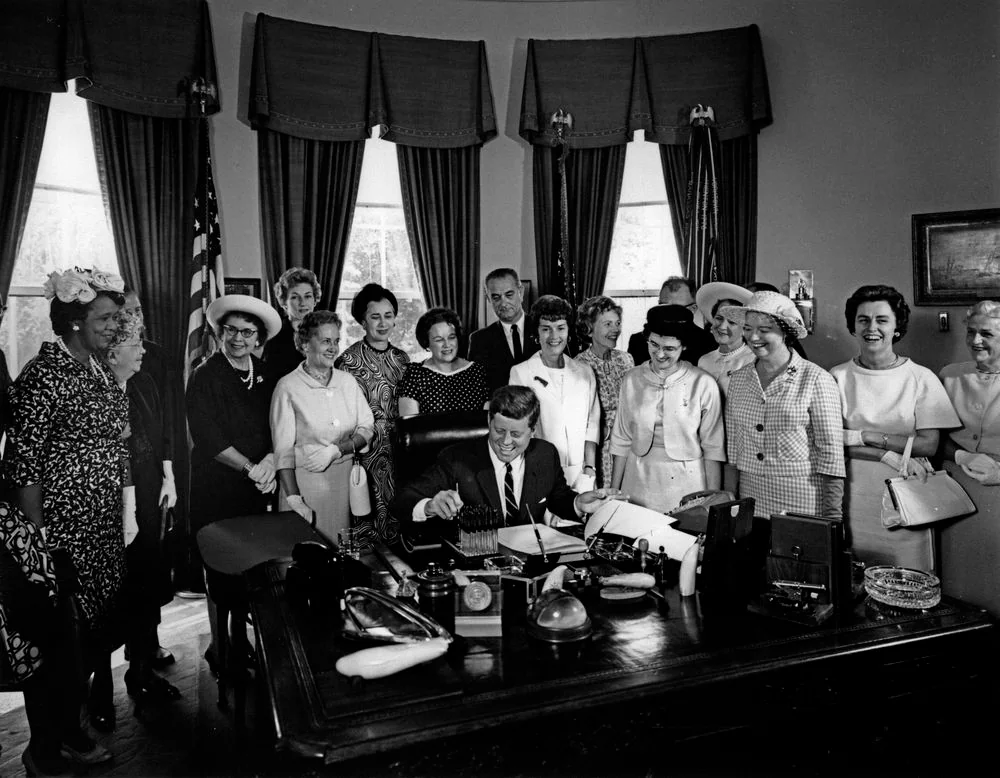
The EPA was introduced in the US Senate by Patrick McNamara and was signed into law by President John F. Kennedy on June 10, 1963. It’s purpose was to correct the wage gap, prevent labor disputes, to ensure labor resources are used to their full potential, and it gives the individual the right to file a claim in court under the EPA if they believe they have been paid unfairly.
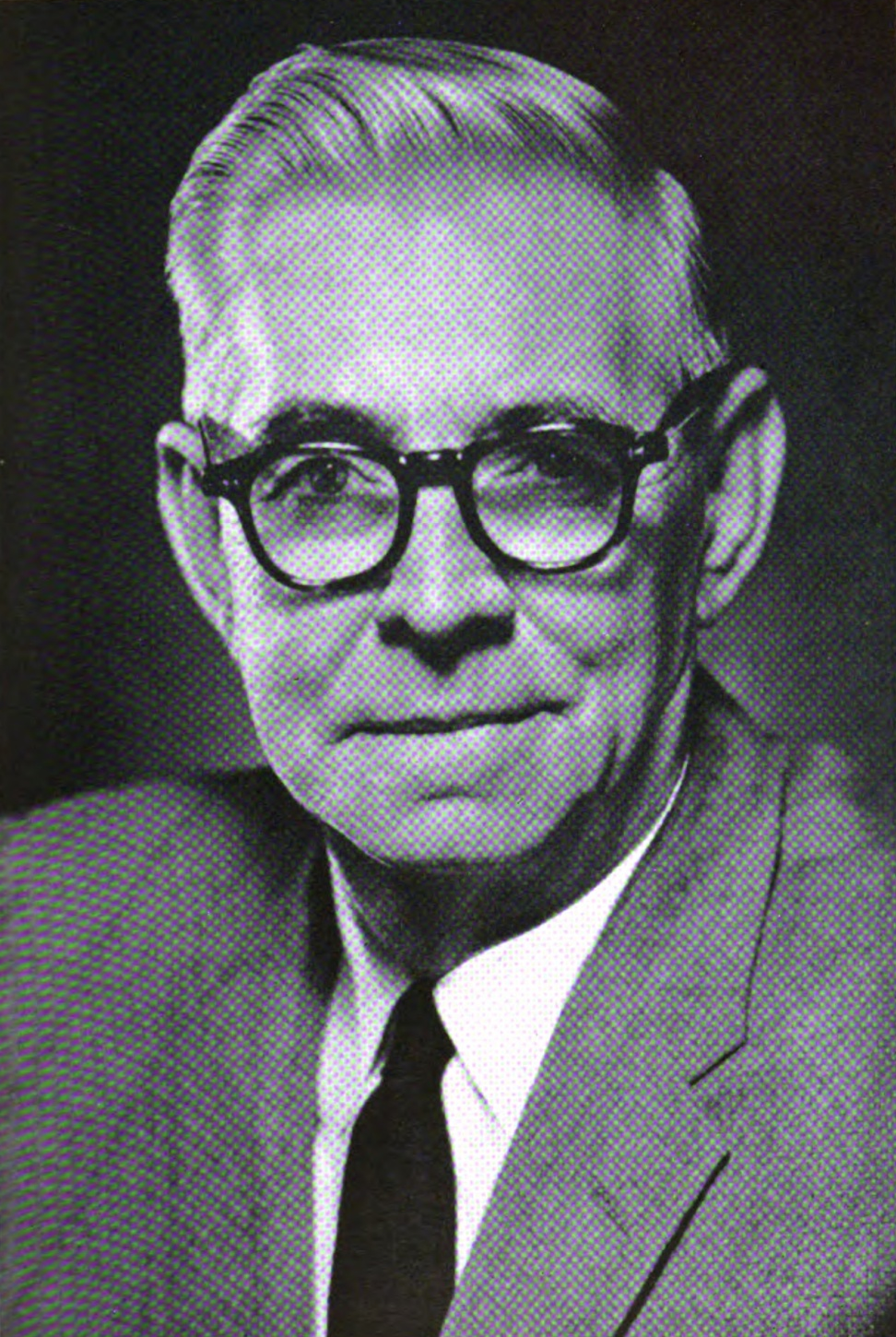


The “Title VII of the Civil Rights Act of 1964” further prohibits employment discrimination based on race, color, religion, sex, or national origin. Its purpose was to prohibit discrimination based on stereotypes and assumptions about a person’s abilities or performance, make decisions excluding minorities, denying equal employment opportunity, and requires accommodations for employees with disabilities.
Once the Act was put in place, the U.S. Equal Employment Opportunity Commission or known as the EEOC, was created to prevent any unlawful employment discrimination. And just to note, the Title VII has been amended multiple times as the workplace has drastically changed since the 1960s.

However, despite these laws that took place, many work environments did not implement them into their workspaces. As a result, working women felt under appreciated, disrespected, and unseen.
Across America, women started gathering together to discuss their first hand experiences in the workplace. Many started to realize that they have all experienced some sort of misogyny and mistreatment from their bosses and decided to take action to fight against these issues.

Two of those women were Karen Nussbaum and Ellen Cassedy who decided to start a newsletter called “9to5: Newsletter for Boston Area Office Workers” to advocate for women rights.

Women that became members of the “Organization for Women Office Workers” gathered together to create a new bill to protect women office workers. This bill would be called the “Bill of Rights for Women Office Workers”, and it concluded the following rights:

Basically, the bill was to help clarify and map out the goals of the women’s movement. So, once it was draft in 1974, the members testified at the “Hearing on the Working Conditions of Women Office Workers” in Boston. This effort increased public awareness and legislative attention to the challenges women faced in the workplace.
Now, between the years 1973 to 1983, the “Organization for Women Office Workers” went through several different developments merging with different organizations to continue their goals.
They joined with the Service Employees International Union, or known as the SEIU, the nationwide labor union for office workers, which then created a sister movement called “Local 925”. This was created for the purpose to have a powerful social and political advocate for office workers. Particularly, “Local 925” created a way for women to obtain insurance and banking, to eliminate discriminatory pay, and promote unionization.

They also joined with “Cleveland Women Working” to create the “Working Women Organizing Project” to advocate equal pay and rights for women in the workplace while also doing research for the following:


By 1983, the organization was officially named “9to5, National Association for Working Women” headed by Karen Nussbaum from 1977 to 1993. It has evolved into the largest membership orgnization of working women in the United States.
After these victories, 9to5 focused on issues like automation, pay inequities, medical leave, racial discrimination, and sexual harrassment in the 1980s and 1990s.
And, to bring awareness to these issues, 9to5 published all kinds of fact sheets, newsletters, and books, established the Job Retention Project to assist office workers, staffs a Job Survival Helpline to give support to working women, and used the rise of television to draw attention to sexual harrassment cases in America.
Since then, 9to5 continues to actively promote workplace policies and advocate for working women and families.
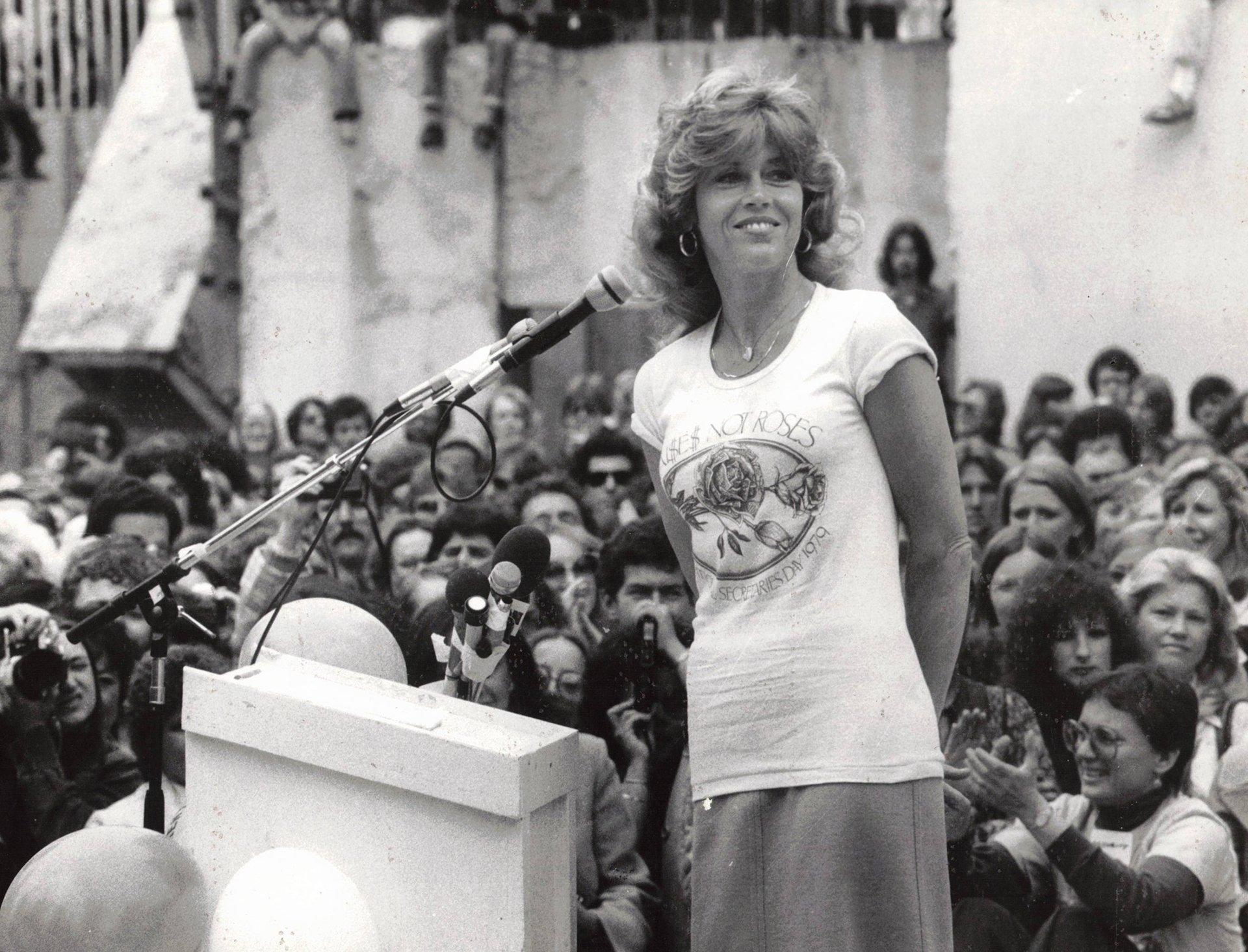
Doing some of her own investigation on the 9to5 movement, Jane Fonda had the idea to make a movie about women office workers. After tons of research, interviews, and meetings with the founders of 9to5, Fonda with the help of director Colin Higgins and writer Patricia Resnick created the 1980 film “9 to 5” starring herself, Lily Tomlin, and Dolly Parton.
The story revolved around three female officer workers who decide to join forces and overthrow their sexist, egotistical, lying, hypocritical, bigot of a boss.
The film was a box office sensation, ranking in more than $3.9 million during its opening weekend in the United States. And not only was the film a big success, but it’s theme song “9 to 5” created by Dolly Parton herself became a instant hit winning tons of awards and became one of Parton’s most iconic songs.
But lets focus back on the film…
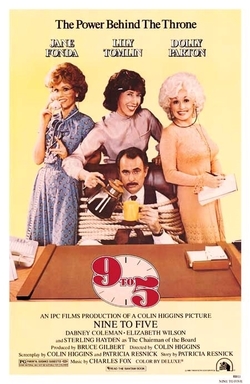
“9 to 5” focused on these issues:
But like I wrote about in the beginning, I want to focus on something else that not many people talk about.
The thing that drew me to the 9 to 5 story was not the issues that were presented in the film but the way the female leads overcame them.
Let’s start with the first leading lady we are introduced to in the film: Judy Bernly.
When we first meet Judy, it is clear she is completely out of her element.
Wearing blues and pinks when everyone else is wearing greys, browns, and reds, excessively polite and timid towards others when there is no need, and seems to have a lack of knowledge and naivety in the office.
However, there is a reason why she is like this.
Judy’s husband, Dick, left her for another woman so Judy is forced into the workforce with no job experience of her own, and it is quickly evident she is overwhelmed in this strange new world.
However, thanks to her new friends, Judy steps out of her comfort zone time and time again to prove her worth.
When her friends are fighting, she is the one to talk some sense into them.
When their boss threatens to call the cops, she fights back.
When her ex-husband comes back, she stands up for herself and rejects him.
Judy not only shows up for her friends but also shows up for herself proving she is resourceful, assertive, and strong.
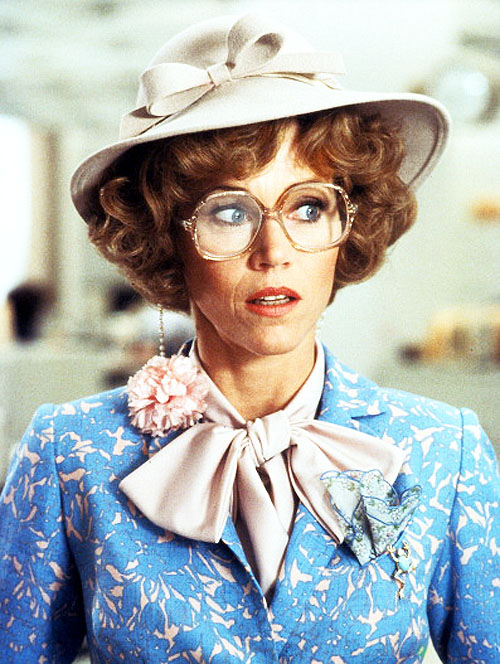
She is not the nervous, insecure newcomer from the beginning of the story, but a competent, empowered young worker who knows her worth.
Next is Violet Newstead.
From the start of the film, we quickly figure out she is a seasoned, hardworking qualified office manager who has been overlooked time and time again for several years.
She dreams of getting a promotion in the company she has worked so hard for, but even though she is very capable, far less qualified men take those promotions from her including her own boss.
Not only that, but she is a single mother juggling between work and family as her husband died a few years ago.
All of this combined has slowly crushed Violet’s dreams for a better future and has caused her to doubt herself and her skills in the workforce as she continues to be overlooked and underappreciated in the office.
However, thanks to her newfound friendships, Violet gains the courage to challenge the system that is keeping her stuck.
She confronts her boss when problems arise, and when the boss is accidentally kidnapped, Violet is put into a leadership position that consquencely forces her to realize her capibilites as a leader.
She is finally able to show her true potential, embraces her ability to lead, and creates a safe, vibrant environment for the entire staff.
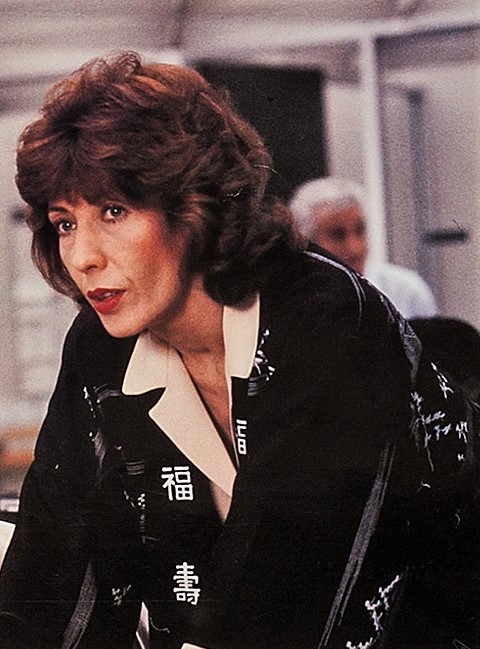
And by the end of the story, she gets the promotion that she has dreamed of for so long. Violet is not the silent, invisible office manager anymore, but the capable, intelligent leader who rose to the top.
And last but not definitely not least we meet our third lead: Doralee Rhodes.
In the beginning of the story, we are told she is nothing more than a “blonde bombshell” who is having an affair with the boss.
But this is quickly debunked as we get to know Doralee a little better.
Sure, she is a woman with a big smile and a colorful, sparkly prsonality, but she is not a brainless, dumb blonde who is after the boss. Doralee has an incredibly kind heart and an intelligent young mind.
But, because of this stereotype placed on her by her co workers, Doralee feels isolated and misunderstood. She is unfairly judged for a stereotype that she did not ask for. No one takes her seriously, and time and time again, we see her battling against her boss’ inappropriate behaviors towards her.
However, thanks to an abrupt confrontation between herself and Violet, Doralee realizes she is not alone in her struggles and connects with her and Judy.
And despite the disrespect she experienced in the workplace, Doralee chooses to forgive and prove the rumours were untrue.
She stands up to the boss and rejects his advancements.
She helps change the workplace earning respect from her co workers.
And she continues her friendship with Violet and Judy creating a sisterhood that is beautiful inside and out.
By the end of the film, Doralee overcomes the harassment and isolation, breaking the “dumb blonde” stereotype, and gains the confidence to purse her own dreams.
Doralee is not a brainless, pretty object, but a smart, tough southern woman who has the courage to do anything she sets her mind to.

Each woman in this story had something to prove, something to overcome, a dream they needed to achieve. And instead of giving up on those dreams or blaming everyone else for their problems, they took action and made the appropriate steps to achieve their goals.
And, they had a big obstacle to face, the face being Franklin Hart Jr. Our main villain of the story.
Mr. Hart’s actions and attitude represents the bosses that real life women faced in the workplace.
He was the boss who created the toxic work environment for his employees.
He was the one who made Violet feel overlooked and invisible.
The one who made Doralee feel attacked and alone.
The one who made Judy fearful and overwhelmed.
And that kind of discrimination and harassment is what forced our three leading ladies to not only address their own personal grievances but also challenge the workplace and bring positive change within their company.
In a way, I guess everyone should thank Mr. Hart as without him the women would’ve never had developed such a strong friendship and created a brighter, safer environment for their coworkers.
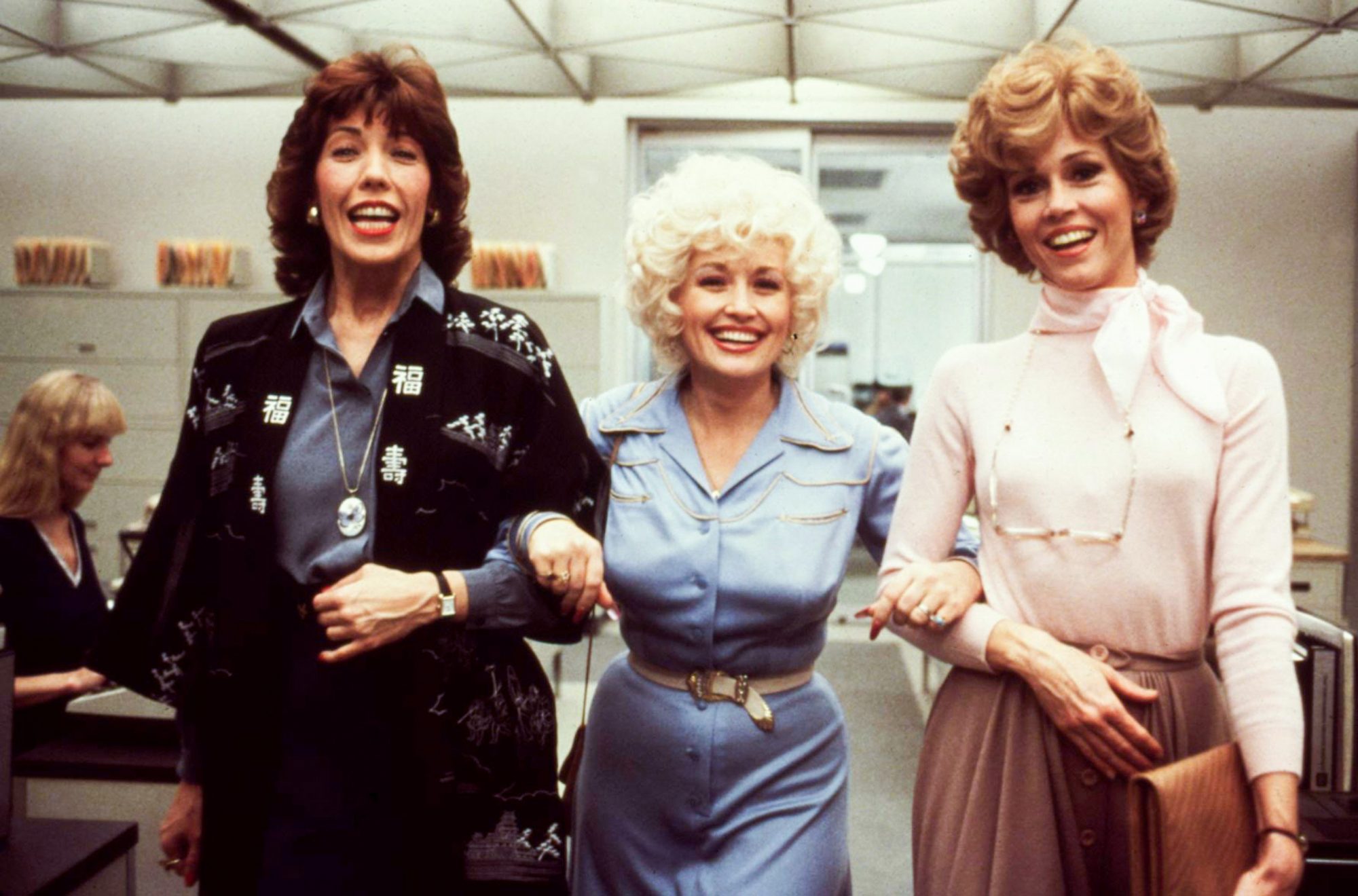
And thats what makes this film so great: a newfound sisterhood that overcame a great evil to bring positive change despite the odds.
And though the film is so well-written, I personally think the musical expresses this idea even more.
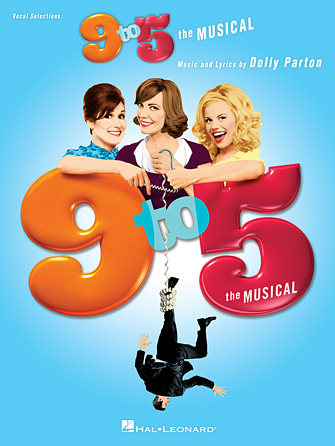
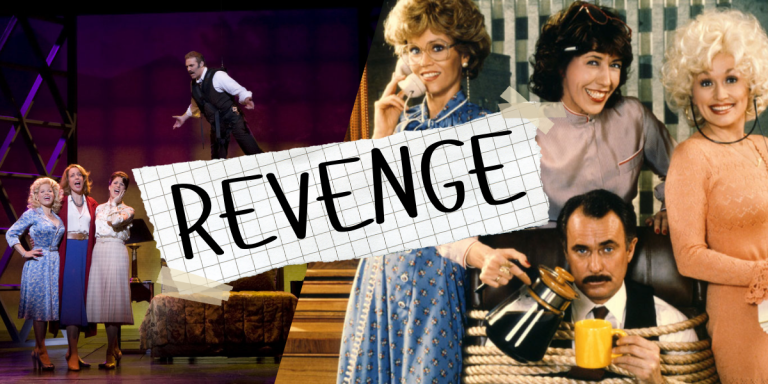
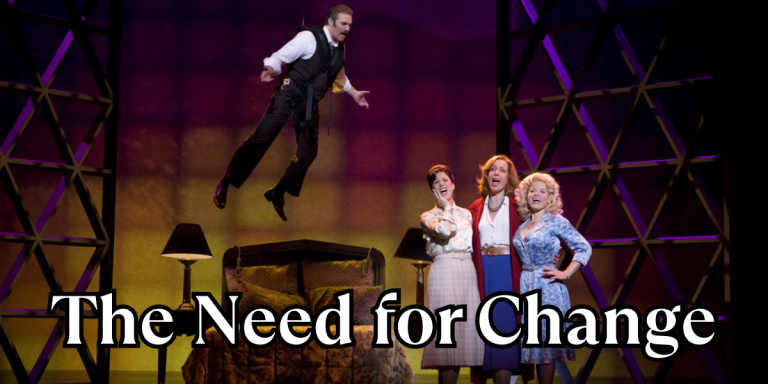
Many years later, and after much back and forth, the film was finally adapted into a musical in 2009 written by Patricia Resnick and Dolly Parton who wrote almost all of the music and lyrics for the newly adapted story.
And, while the plot is basically the same with a few changes here and there, I think the musical exemplified this theme of overcoming adversity so much more than the film did, and that’s a compliment.
If you are going to adapt a story from one form of art to another, it needs to be better in something. Whether that is a character, a theme, visual elements, or something else, there needs to be a solid, legit reason why there should be an adaption. Especially if its a musical of all things. And, I think Resnick and Parton did a fantastic job of adapting the 9 to 5 story.
And how did they do that?
Through the characters, their songs, and the connections in between.
We still have all the core elements from the three main characters in the previous film, but each of their character arcs are explored even deeper in the film.
Lets start in the order we meet them in the opening number “9 to 5”...
Just like the film, Violet in the musical adaption is the office manager for Mr. Hart while also juggling being a single mother for her teenage son.
She still embodies the no-nonsense, independent driven woman that we see from the movie, but I think Violet shows a lot more growth and character in this version of the story.
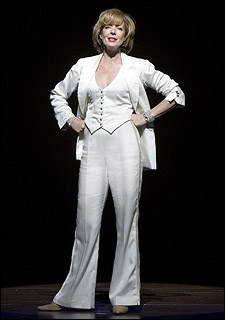
Don’t get me wrong, the film did a great job with Violet’s character, but a lot of her struggles seemed more internal than external. We don’t get to see her battle with her issues as much compared to Doralee and Judy.
Now, this could be because of her more closed off personality, but, in the musical, we get to see her battle with those internal conflicts a lot more thanks to the musical numbers.
While she is shown to be pretty put together with a side of sarcasm and wit “Around Here”, we quickly see why she has to be the way she is with her numerous interactions with Mr. Hart.
And while Violet does a good job standing up for herself, there is still a power dynamic that she cannot fight against because of the system she is working in “I Just Might”.
Even though she is more than capable of being in a leadership position, she battles with a lot of self doubt. And not just in her capabilities as a worker, but also in her friendships.
Violet is shown to be not very close to anyone in the company seemingly strict and closed-off, but when Judy comes into the picture, Violet lets her guard down.
Compared to the film, Violet is much more hands on with Judy as she shows her the ways of the office. I would say they have a bit of a mother/daughter relationship which I absolutely love. When Judy has no one, she has Violet.
And when Judy worms her way into Violet’s heart, she becomes much more open to another friendships like Doralee. Though the two have a rocky start, Violet is quick to apologize and admit she was wrong which opens her heart for not one friend but two.
And those two friends are the ones who show Violet that she deserves to rise to the top, that she is truly capable to be one of the boys “One of the Boys”. And not only does her heart open up to friendship but also to romance.
Something that I absolutely loved being included in this adaption was the creation of Joe, Violet’s love interest.
Joe was not in the film so as a result Violet did not have a romantic side plot.
But I think this inclusion was absolutely necessary for Violet’s character arc.
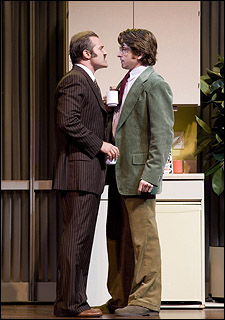
Her husband died a few years ago leaving her and her son behind, and while Violet has done an incredible job moving on and making a life for her and her son, Violet doesn’t believe she deserves that kind of love anymore. She doubts her looks, her age, and her capability to love again.
But, Joe, through his skills, communication, and terrible jokes, shows Violet that she deserves to love and be loved. He is the one who helps Violet finally let go of her doubts “Let Love Grow”.
Because of these relationships, it gave Violet the courage to stand up and call out Mr. Hart for his mistreatment and abuse of power in the workplace, and as a result, she becomes the new CEO.
Thanks to her skills, friendship, and love, Violet was able to achieve her dream and overcome the limitations she was put in and placed on herself.
This musical exemplifies her strength, independence, and leadership and not only that but her soft, romantic side as well. Her unyielding resolve to assert herself and uphold her principles had finally paid off.
Let’s move on to Doralee…
Doralee is also very similar to her character from the film though we get to see a lot more of her.
She is still the pretty, charismatic southern woman that we all know and love.
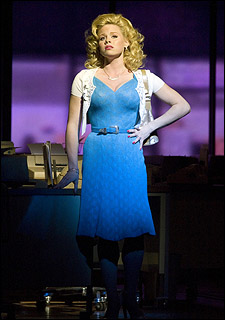
However, though it is shown Doralee is lonely in the film with everyone gossiping about her behind her back, I think the musical does a very good job showcasing this unfortunate aspect even more thanks to the musical numbers.
While she is always kind to everyone and tries to make friends with the people around her, Doralee is always turned down. She even tries to confront others about it, but no one seems to give her a chance “Backwoods Barbie”.
Though we see how isolating Doralee’s life is, we also get to see how resilient and and strong the woman is "I Just Might". With her husband by her side, she continues to show up for work despite knowing what her co workers think of her and how her boss treats her.
While Violet and Judy do experience their issues with Mr. Hart, Doralee’s experiences are on a whole other level. The way he speaks to her, verbally and physically harrasses her, and even asks her to do the most crazy things is beyond me.
And yet, through all of that, she continues to be a bright and positive woman.
And, once she’s had enough, she speaks with Violet and Judy who pretty quickly realize she is not the “dumb blonde” that everyone thought she was.
And, I’m going to say it again, but I love the sisterhood that comes to life between the three ladies. While Violet and Judy have a more mother/daughter type of relationship, Doralee fits right in there being kind of a big sister for the two of them.
She’s rational, smart, and level headed during times of chaos like the hospital scene. And she stands up and takes charge when Mr. Hart gets kidnapped using her charm and confident to change the workplace for the better.
Everyone thought she was an incapable, brainless woman. But she proves time and time again that she is just as intelligent and competent as everyone else around her.
Again, the film did a great job with Doralee’s character, but we get to see so much more of Doralee’s struggles and her incredible courage to step up instead of being stepped on in "Change It".
The musical exemplifies her boldness, positivity, and forgiving nature that makes her beautiful inside and out. Doralee is proof that there is more to a woman than just her looks.
And now Judy. Sweet, lovable Judy.
Judy is someone who I think got the most changes in this musical, but they were really good changes.
She is still quite similar to her character in the film, but her nervous, polite, shy personlity from the film is brought to a 10 in the musical making her quite the funny character.
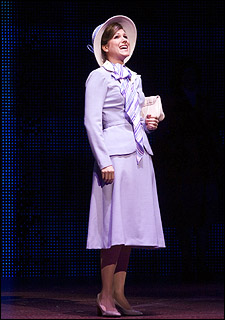
She is a lot more emotional and naive compared to her film conpart, but that does not diminish her character.
Again, Judy is going through a divorce with her husband, Dick, and now, must join the workforce to earn a living. She has to navigate a whole new life, and its very overwhelming for her.
She makes a ton of mistakes in the office causing her to be yelled at and goes through an emotional encounter with the man who left her behind, a man she thought loved her “I Just Might”.
But thanks to her new friends Violet and Doralee, she is shown that there are other ways to becoming a successful individual and it doesn’t have to be a homemaker. She can be a leader with efficient skills like Violet or a fashionable, charming woman like Doralee.
And going along with the crazy sheignans that happen to them throughout the musical, Judy starts becoming her own person.
Her eyes are open to the abuse she went through with her ex husband and gains the strength to say that enough is enough. This is her life, and she can do and become whoever she wants to be “Get Out and Stay Out”.
This musical exemplifies Judy’s incredible transformation from lost to found. Judy is not the insecure, emotional, people pleaser she was from the beginning of the musical.
But a determined, hopeful, confident young woman who wants to thrive and chart her own path in the world.
In the musical, each woman shows different kinds of adversity:
Judy, an insecure divorced newcomer struggling to gain indepence from the man who was suppose to love her unconditionally.
Violet, a widow and a full time working mom battling with self-doubt and and dealing with the emotional and mental pressure of working under a power hungry boss.
Doralee, a pretty southern bell stereotyped, isolated, and judged by her co workers and sexually harassed by her boss.
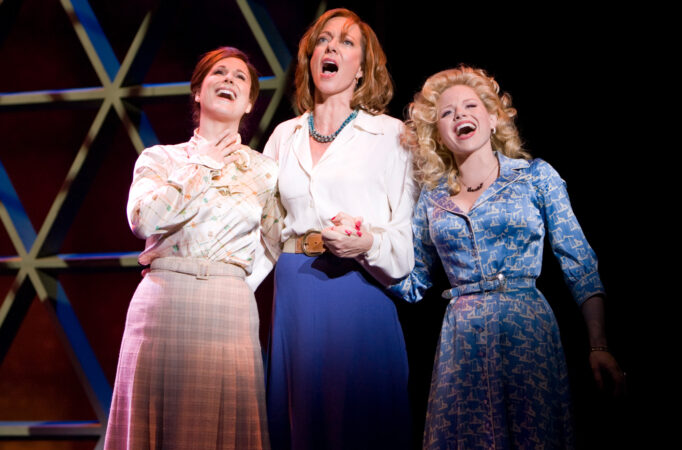
And yet instead of wishes their troubles to go away, each one took the steps to handle their problems.
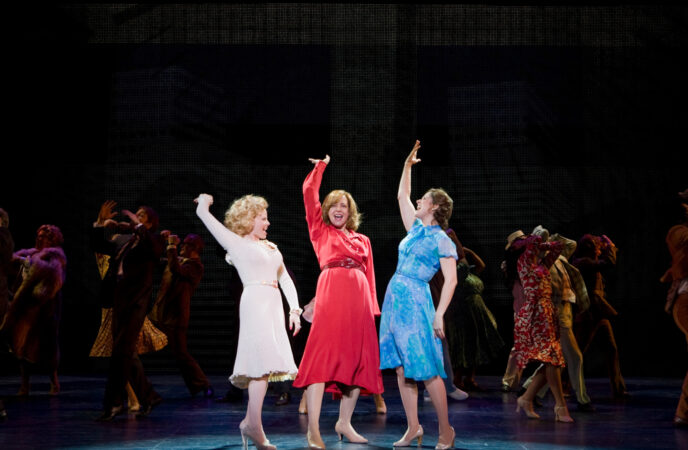
They survived and came out victorious. And it’s something to aspire to.
What makes this musical so great is not watching these women struggle, but watching them not give up.
Watching them rise and figure out ways to overcome the abuse.
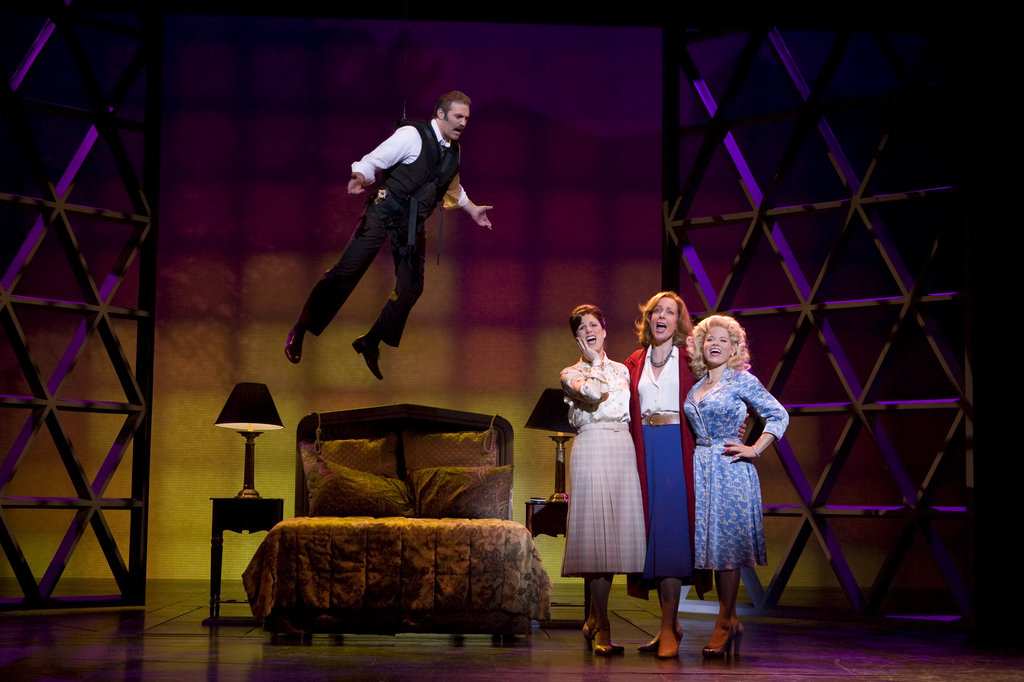
I personally can’t relate exactly to Violet, Judy, or Doralee.
I’m not a widow with a teenage son.
I’m not a divorced woman.
And I am not a pretty, southern country singer.
But, I can see a little something fo myself in each of them. And I think it’s because these women feel human.
They’re not superheroes with crazy powers or supernatural beings from another world, but normal, every day women who despite the odds stood up for whats right even when it was scary.
They feel real, relatable, attailable, and anyone can put themselves in their shoes and see themselves. I think everyone not just women can relate to that.
Every person on this earth has gone through or will go through something hard. And to see these ordinary women overcome their hardships in their own special ways is encouraging.
Inspiring.
Human.
And it might give the person watching the courage to maybe stand up and fight too. Just like how the historic 9to5 movement challenged women to break the status quo.
Because what happens when you take away all of these amazing qualities in this story and in the characters?
Well…
Now, I was back and forth on mentioning the TV show, because unfortunately, there really isn’t much to talk about. However, I think this TV show will help prove a point.
What happens when you take three deep, incredible characters and force them into a box?
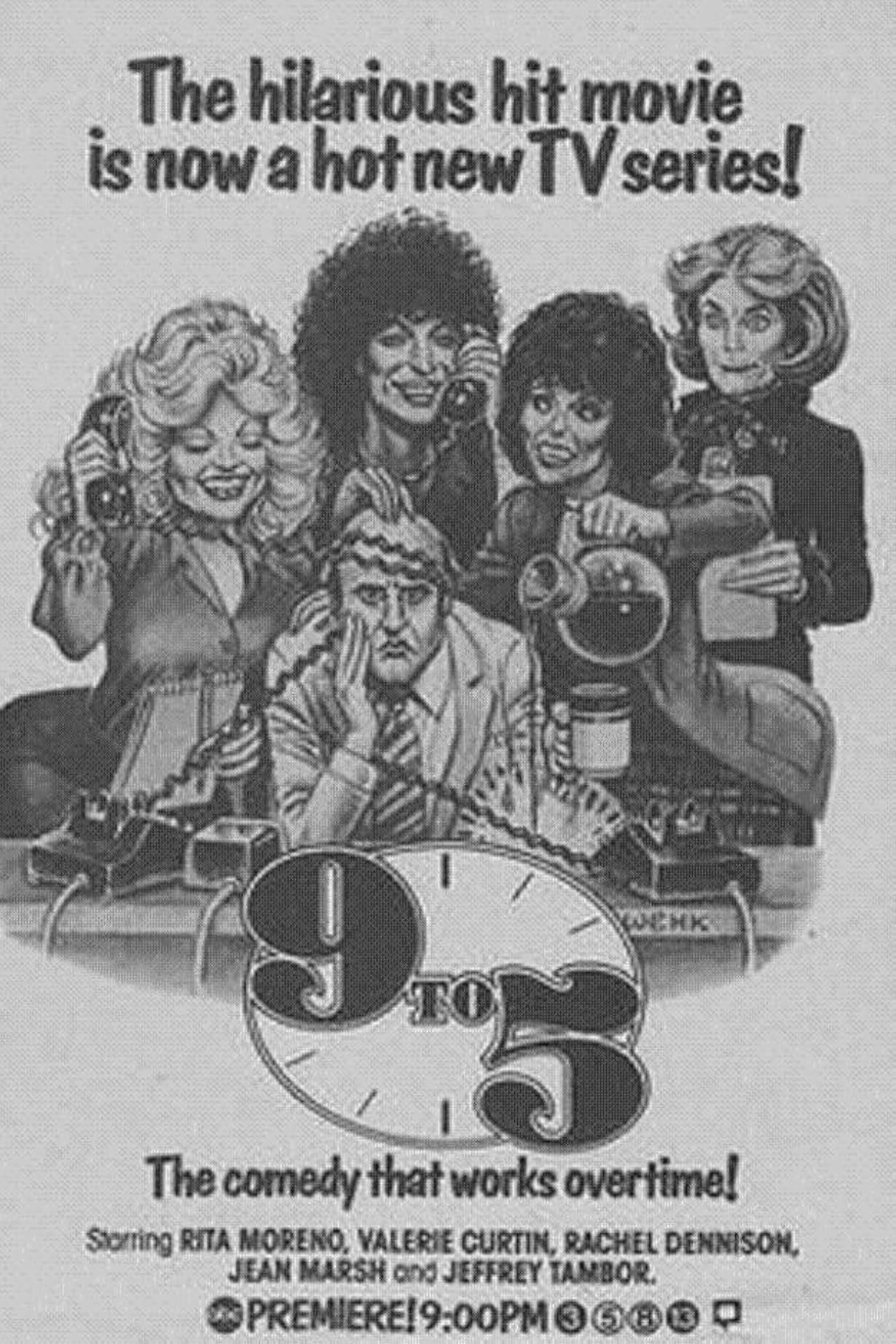
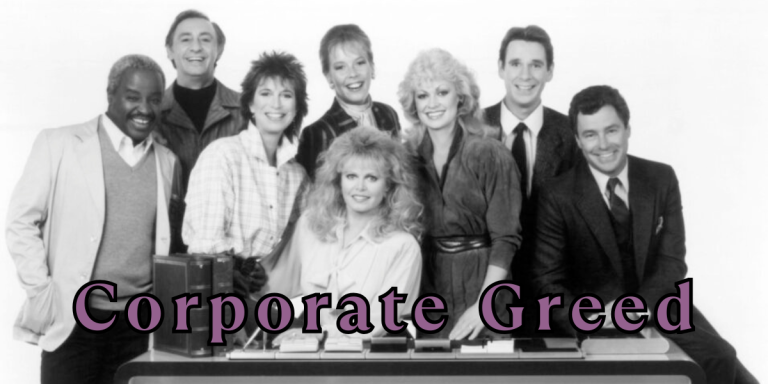
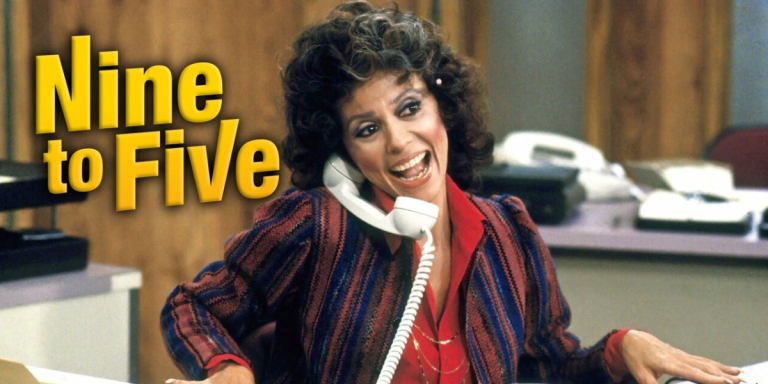
The “9 to 5” TV show aired from 1982 to 1983 and then again in 1986 to 1988 and was a completely flop.
The show itself was extremely hard to find and extremely hard to watch.
Everything felt off.
And let me tell you, all three of the leading ladies were almost unrecongizable.
Violet wasn’t the no nonsense, intelligent woman I knew with the wit and sass I loved.
I understand this show was suppose to be a sitcom, but Violet was too silly and too lenient to be the Violet that gained her leadership status in the original story.


With Judy, it seemed the writers forgot that she had a character arc.
Her terribly naive, but sweet nature was turned up to a 10 making Judy feel way over the top, and honestly, she just seemed really stupid.
Like blonde stupid.
And she isn’t even blonde!
If she is suppose to be funny, at least make the jokes make sense for her character.
And speaking of blonde, poor Doralee.
While the writers forgot Violet’s personality and Judy’s character arc, they seemed to have forgotten Doralee e.
The once charming, confident southern woman I came to know and appreciate became a pretty, but forgettable character who truly lost her shine.
Which wasn’t that the whole point of her character in the original story? To break the stereotype that was placed on her in the office?!
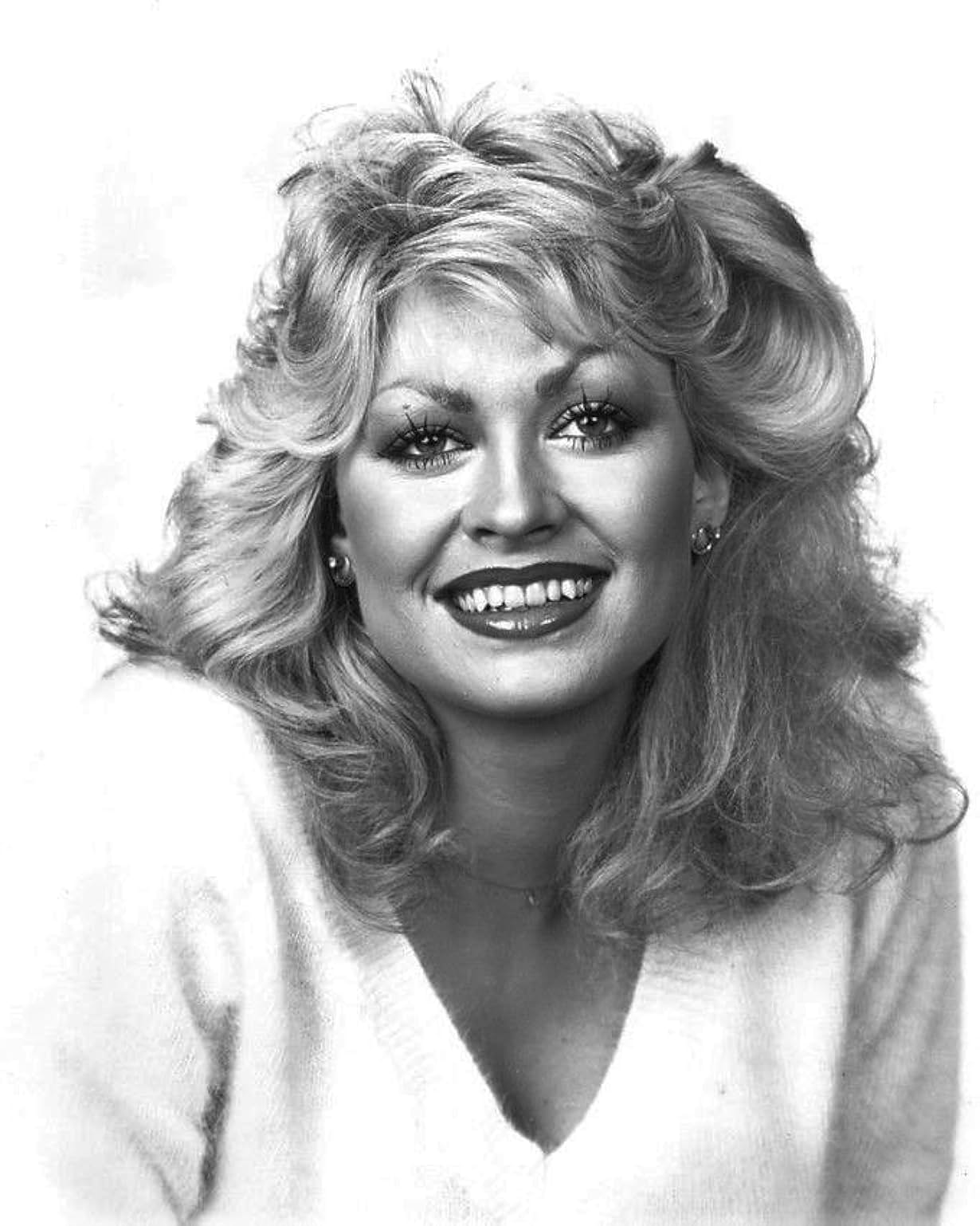
In fact, it seemed the writers, producers, or whoever was in charge of this show forgot the whole point of why “9 to 5” was created in the first place.
They forgot why viewers loved these three ladies so much.
The women from the original film, and later on the musical, were well written and carefully crafted to make them relatable and genuine.
But here, they were reduced to bland, one dimensional characters. These are not the women that I have become inspired by. These are not the women that thousands of people have come to know and love.

And it didn’t change much in the remake they tried to pull off in 1986. In fact, the new show made everything worse.
The setting was wrong, the conflicts were boring, the comedy was off, some of the original characters weren’t even there.
Judy seemed more like a Violet than a Judy, Doralee was a bit better but still quite forgettable, and who the heck is Martha???
The "9 to 5" TV Show did not feel like "9 to 5 at all.
There were so many different, fun ways they could’ve taken this show, and they didn’t take any of them. Honestly, this show is a perfect example of what not to do when adapting a story from its original source material.
This is the perfect representation of what happens when you reduce characters into stereotypes.
And isn’t it ironic that this happened when the show is suppose to be based off of the 9to5 movement? A movement that was created to prove women did have a place in society too and to get women out of the female stereotypes that society had pressured them to be in.
It’s honestly just…
Wow.
Anyways, I’m gonna move on. I just wanted to at least acknowledge this show for nothing else than saying that it is surprisingly easy to make such great female characters into nothing.
All of the victories the leads had in the original story were for nothing.

While I applaud the 9 to 5 movement and the story on its victories changing soctiety’s views on women, I also what to acknowledge something that has been going on I would say since the 1980s.
Because with every article, documentary, or interview I watched, I’ve noticed a pattern.
Remember in the beginning of this essay, I wrote about how whenever the topic of feminism or women’s rights pop up, its always so negative.
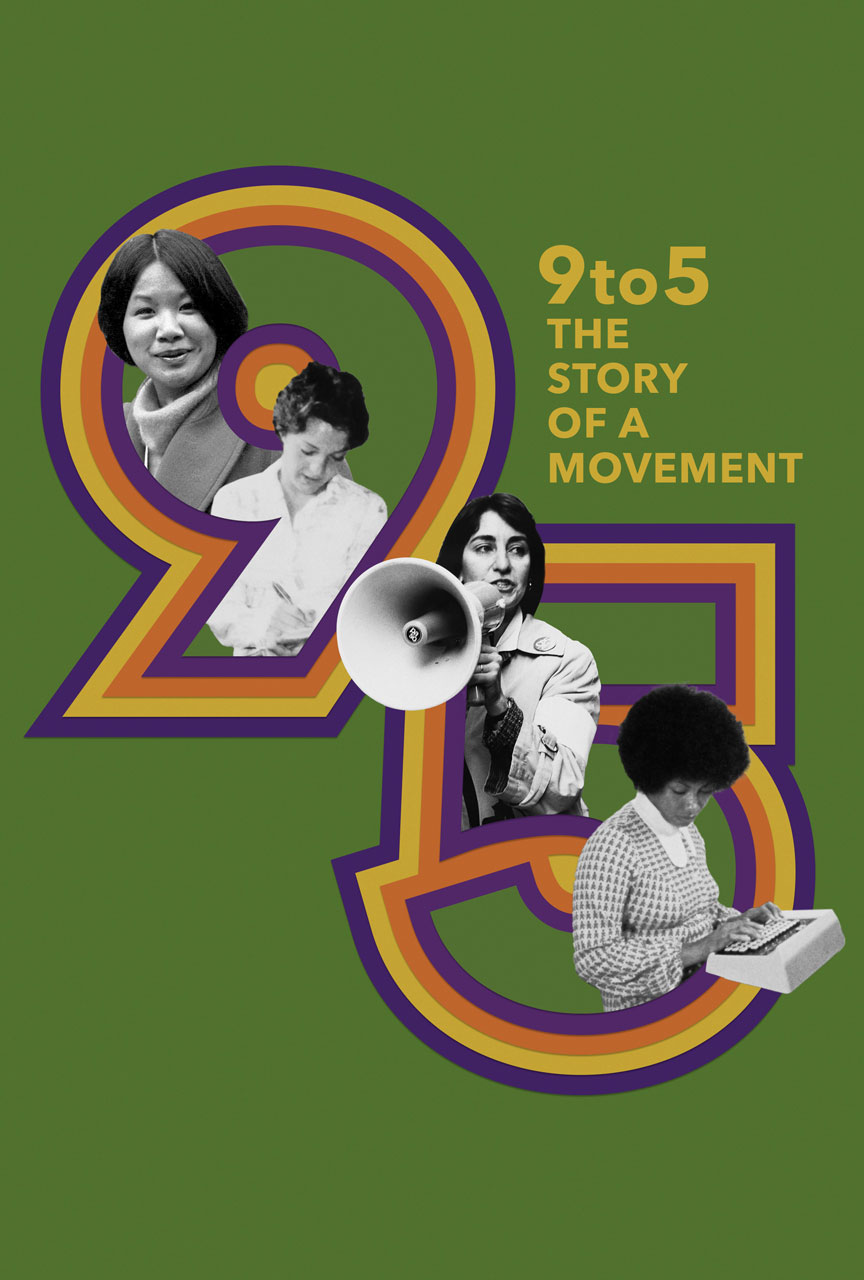
It seems that whenever I read any articles, or watch any docuemtanries, or listen to any interviews, it’s always so bleak or at least ends that way.
People are always talking about how women are severely oppressed.
And that, if women could just have more positions of power, more of a say in what they do with their bodies, have a voice so women could feel safe and protected, then things will be ok...
But that will never the cause for women.
It'll apparently never get better.
And while I may agree on some talking points, I am…
...really sick and tired of hearing this idea about how women are always going to be victims.
Especially when we literally just had this incredible movement only a few decades ago that changed the workplace for the better.
And not just the workplace but society as a whole.
From the family to culture, women’s lives particularly in America seem fine.
And I hate women acting like we have it so much worse than we did back then.
When based on the research that is shown is not true.
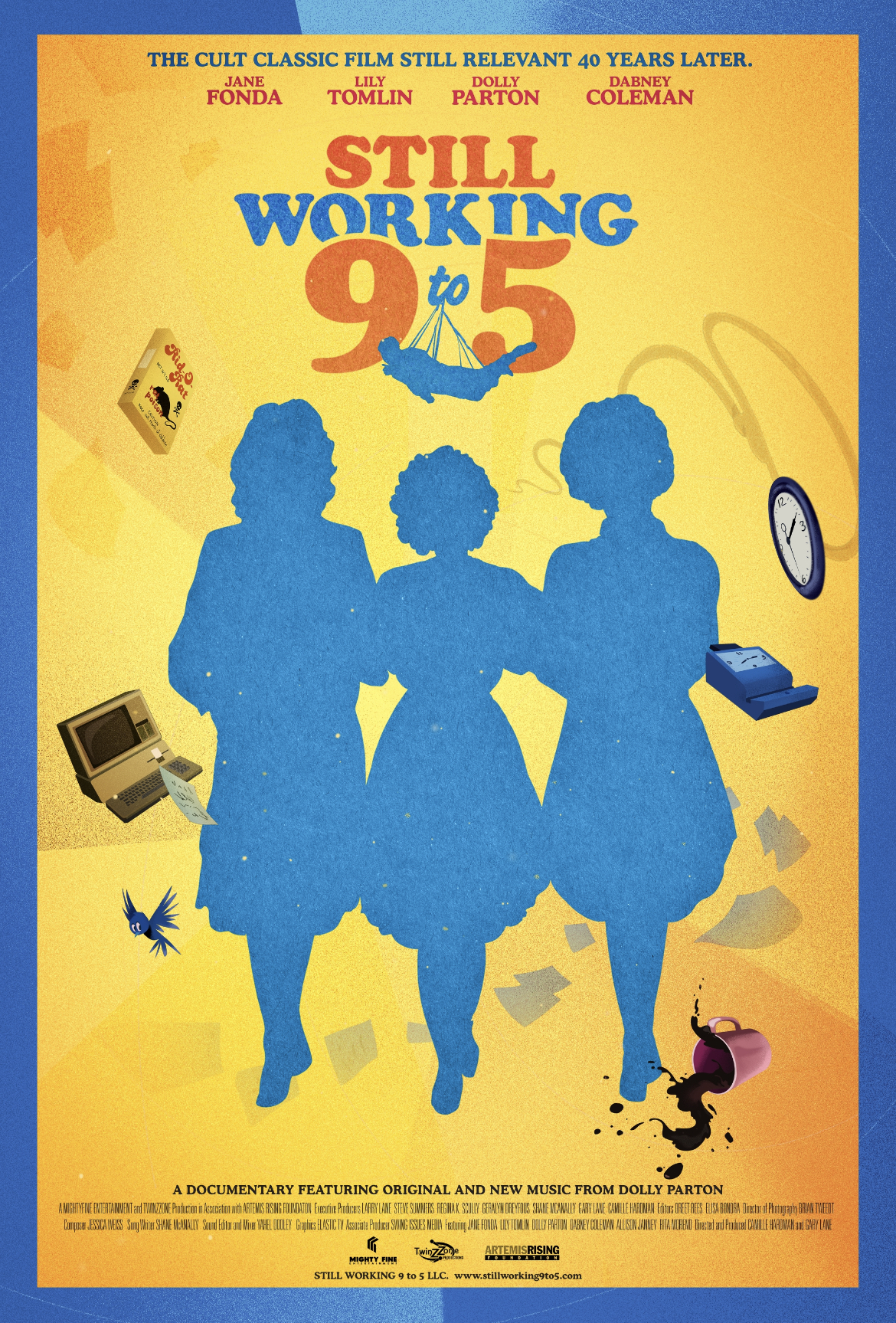
Let me explain.
Look at the original goals of the 9to5 movement when it first started:
Based on all of the research I’ve done, every single one of these goals has been covered by law.
Everything I’ve listed above and what I am about to talk about below involves minority women. Women are women no matter her race.
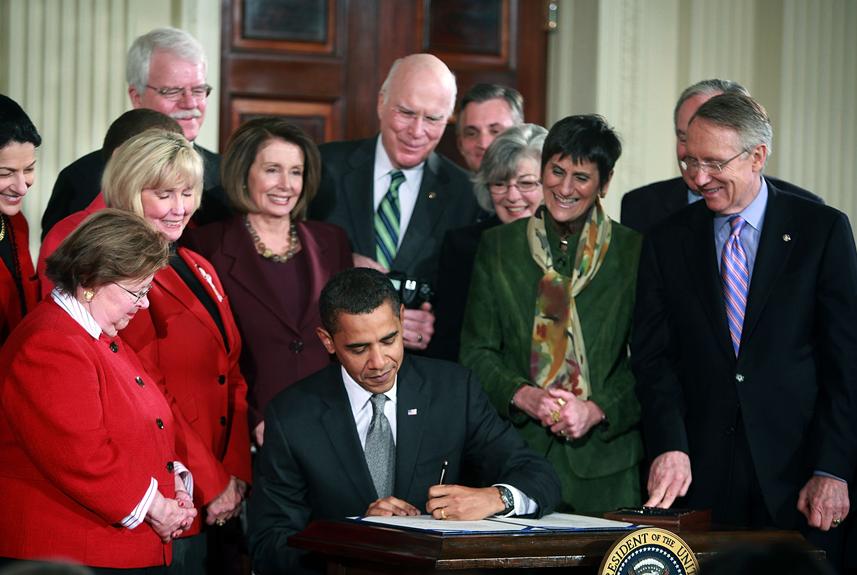
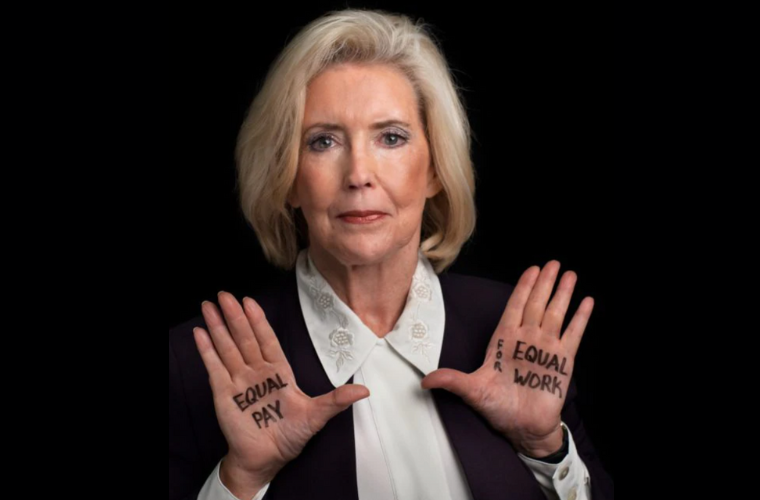
“Fair Pay Act of 2009” which was a federal law passed by President Barack Obama in 2009 was written to allow employees to sue for pay discrimination.
It states that each paycheck with discriminatory compensation is a new act of discrimination and allows employees to recover back pay for up to two years before filing a charge under the EEOC.
In 1961, President John F. Kennedy issued Executive Order 10925 that required government contractors to take affirmative action.
This order states to remedy the effects of discrimination, prevent discrimination, and create new opportunities for those who have been denied in the past.

Unfortunately, bcause human beings are human beings, I don’t think sexual harassment will ever go away no matter how much we all want it to, but things like the “#metoo movement” were great ways to bring awareness to this disgusting issue.
I mean, sexual harassment was not even a concept back in the 1960s so I think western society has definitely improved on this fact.
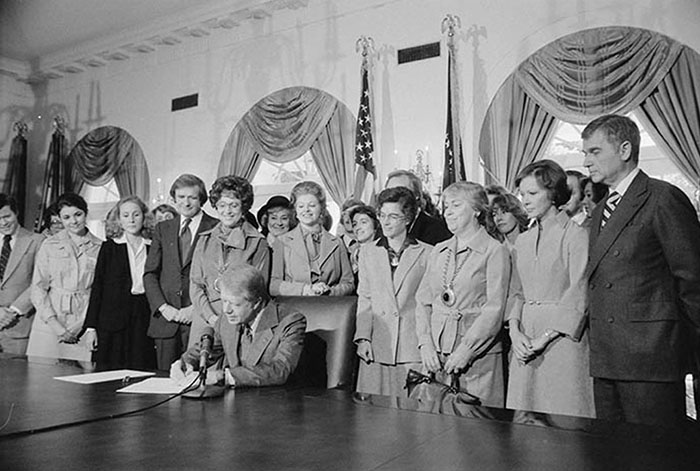
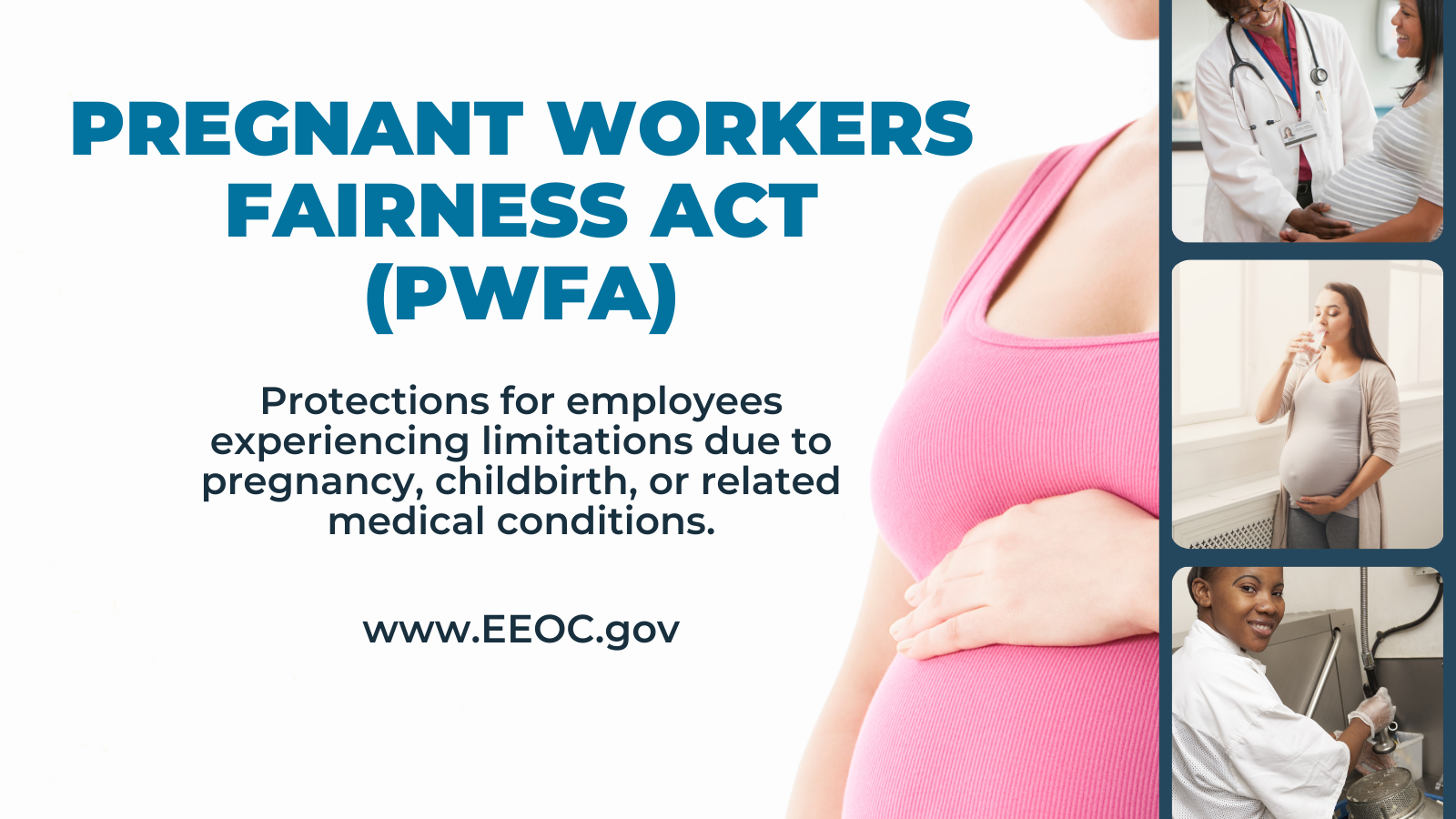
There are two laws for this.
One, “The Pregnancy Discrimination Act” or PDA of 1978 which prohibits discrimination against pregnant employees in hiring, firing, promotions, pay, and benefits.
And two, the “Pregnant Workers Fairness Act” or PWFA which requires employers to provide reasonable accommodations to pregnant workers. Not to mention reproductive healthcare and health insurance in America that you can ulitize if you want to.
“The Affordable Care Act” or ACA prohibits charging women more than men for the same level of coverage and prohibits denying women coverage due to pre-exisitng conditions.
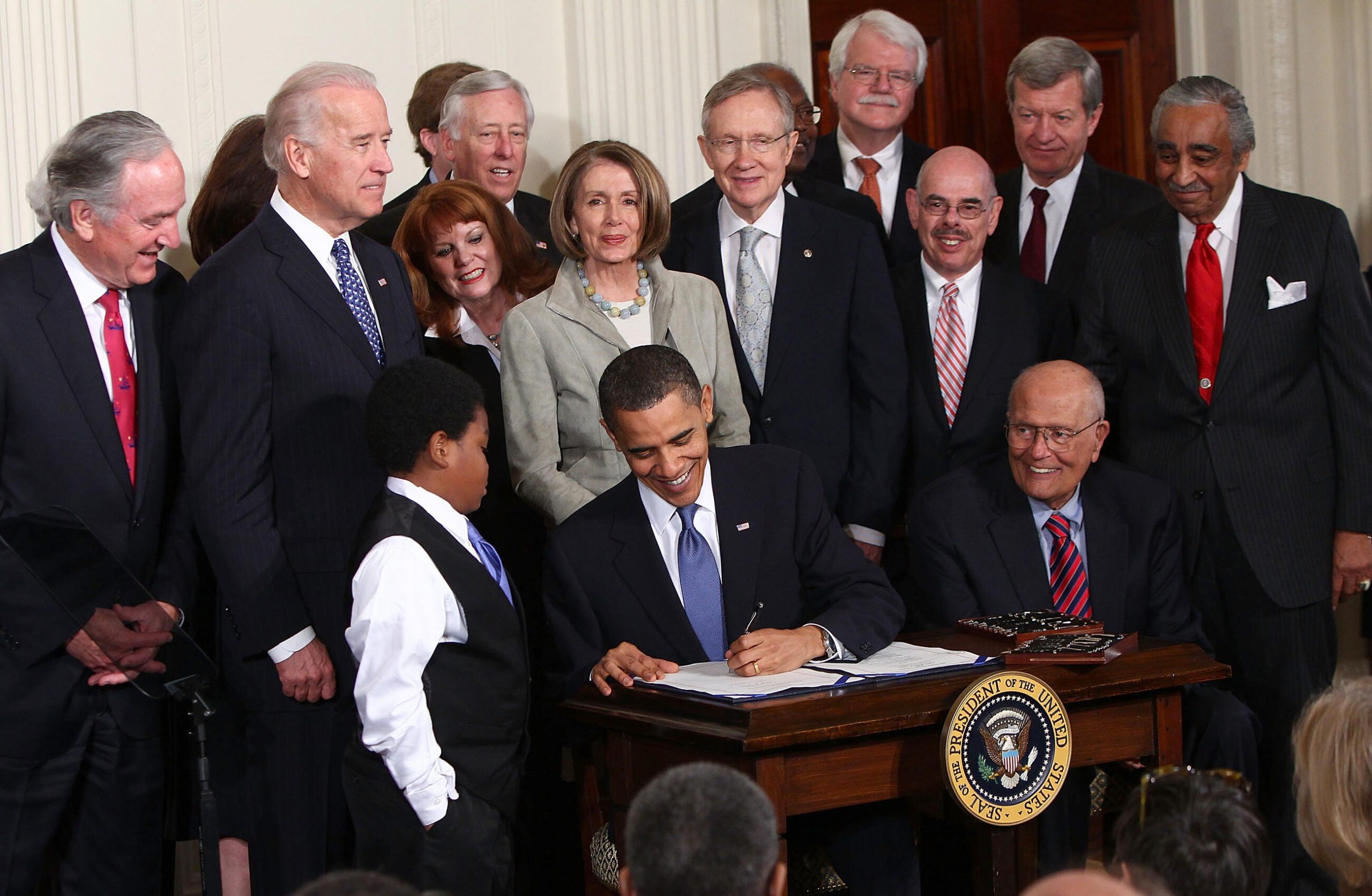
Now, as a side note, I will say the medical industry and how they treat women and their bodies suck. Like big time suck.
Doctors all over the US are not taking women’s health concerns seriously so that can definitely be better.
My point here is, there are laws in place like the ACA to protect women in terms of money and employment.
But yes, there should be better, more affordable care to women, and there needs to be way more research done on the female body and mind.
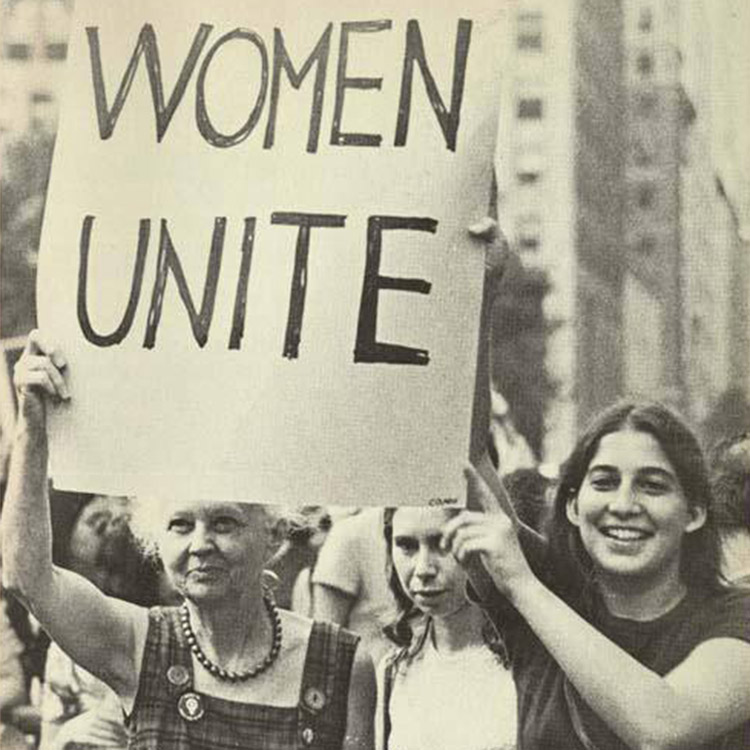
There doesn’t need to be a law for this.
I think it’s pretty clear through mediums such as the fine arts, film, books, art, etc. that there is an awareness towards women like of course the film “9 to 5”.
It feels like everytime I go on social media or turn on the TV I see something about women’s rights every couple of minutes so I think that is taken care of.
Based on everything I just listed, it looks like everything is taken care of in terms of the law.
The original goals that the 9to5 founders had for themselves are solved.
Now, I’m not saying you can’t have new goals, and I did say there are still some things that could be improved. But, I think that comes down to an individual level than a government level, because not everything can be fixed by the law no matter how much people want it to.
People have to work on themselves to be good, upstanding citizens of society.
Unfortunately, there will always be stupid people in the world who think they can harm others for their own gain. That will never go away.
But, I think the 9to5 movement did a very good job in taking care of the women in America and bringing awareness across the world.
EXTRA, EXTRA THOUGHTS
So, we have these laws like the “Fair Pay Act of 2009” or the historic metoo movement to help make women’s lives easier…
What else is there to do?
Why am I being told there are still issues that need to be fixed?
Why are people claiming that women’s rights are not resolved?
What still needs to change in order for the 9 to 5 movement to still be happening today?
And yes, the 9to5 movement is still on going. It has not left even though all of their original goals have been met based on the laws that have been passed.
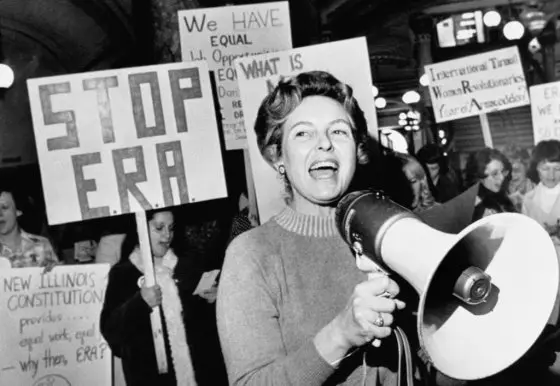
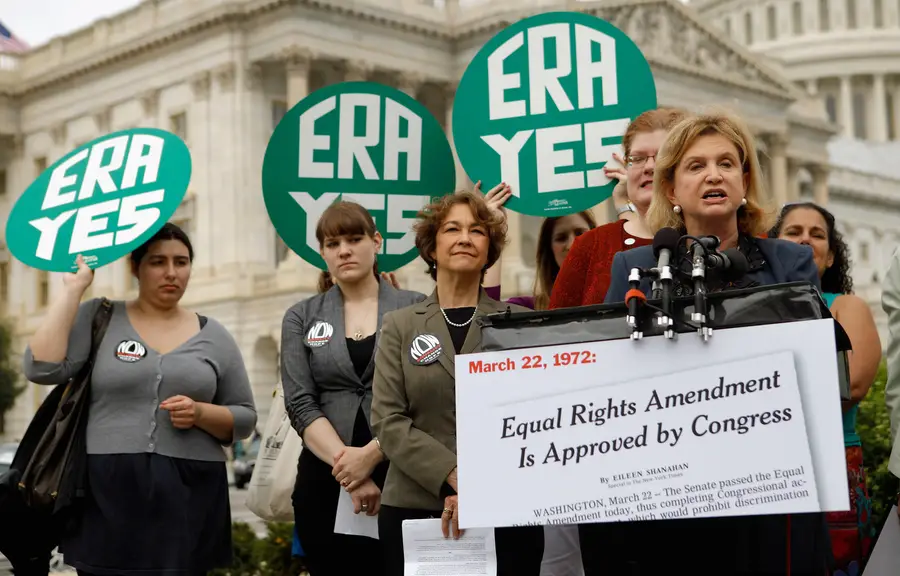
So, in doing more research I found that there’s something called the “Equal Rights Amendment” or the ERA. This seems to be one of, if not, the only big deal that feminists claim is not resolved.

The ERA is a proposed constitutional amendment that guarantees equal rights for all people regardless of sex.
Apparently, this proposement has been debated for years.
It was first proposed in 1923 and at the time was known as the “Lucretia Mott Amendment”.
It’s propose was to prohibit sex discrimination in everything:
Basically, this would clarify that sex discrimination violates constitutional rights.
But, it wasn’t brought up again until 1972 and then had a deadline for ratification in 1979 which was then extended in 1982.
However, the ERA was not ratified.
Currently, many states have introduced bills to ratify the ERA, and even states like Nevada and Illinois have ratify the ERA.
But on a country level, the ERA had a deadline, and it did not pass in it’s extended deadline.
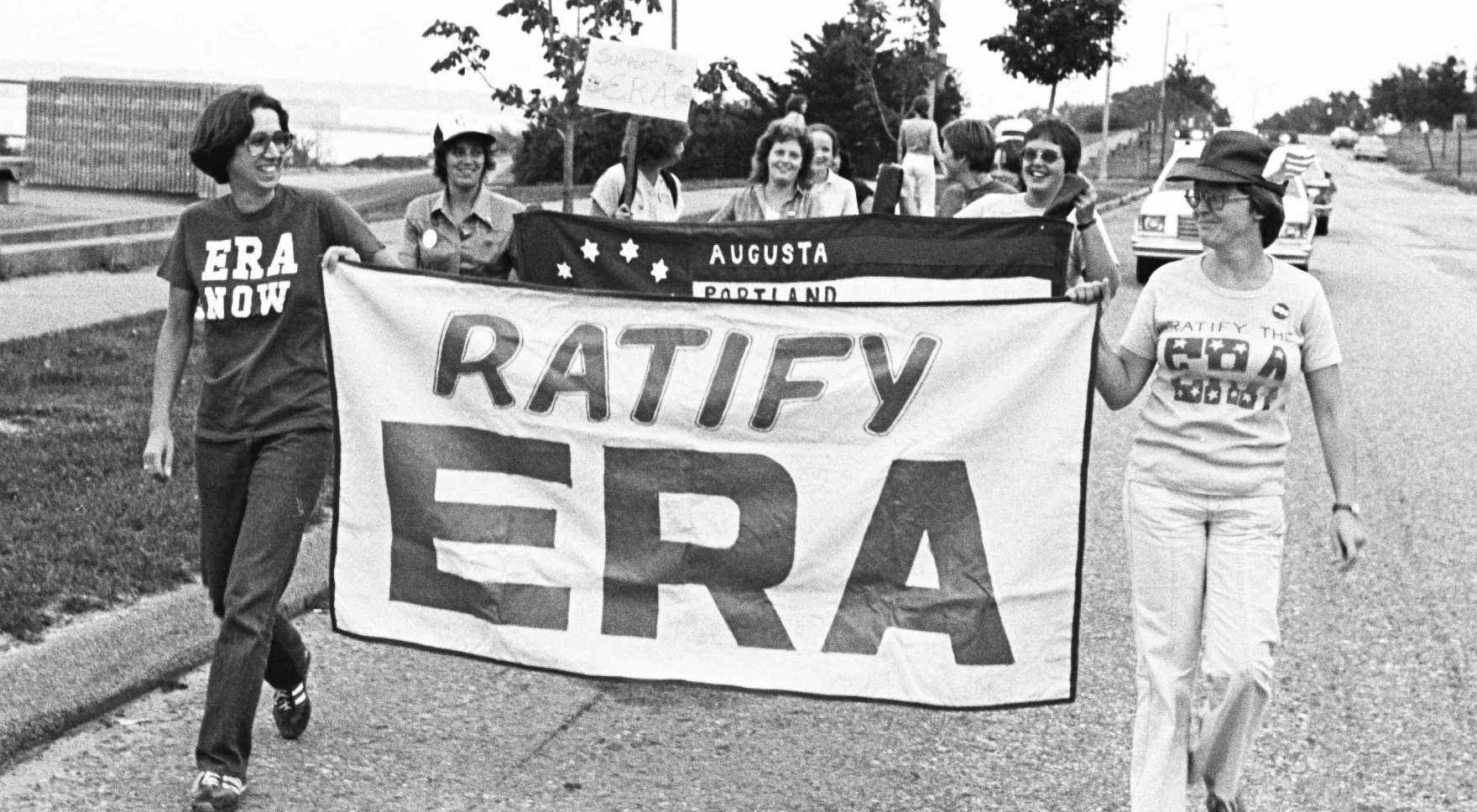
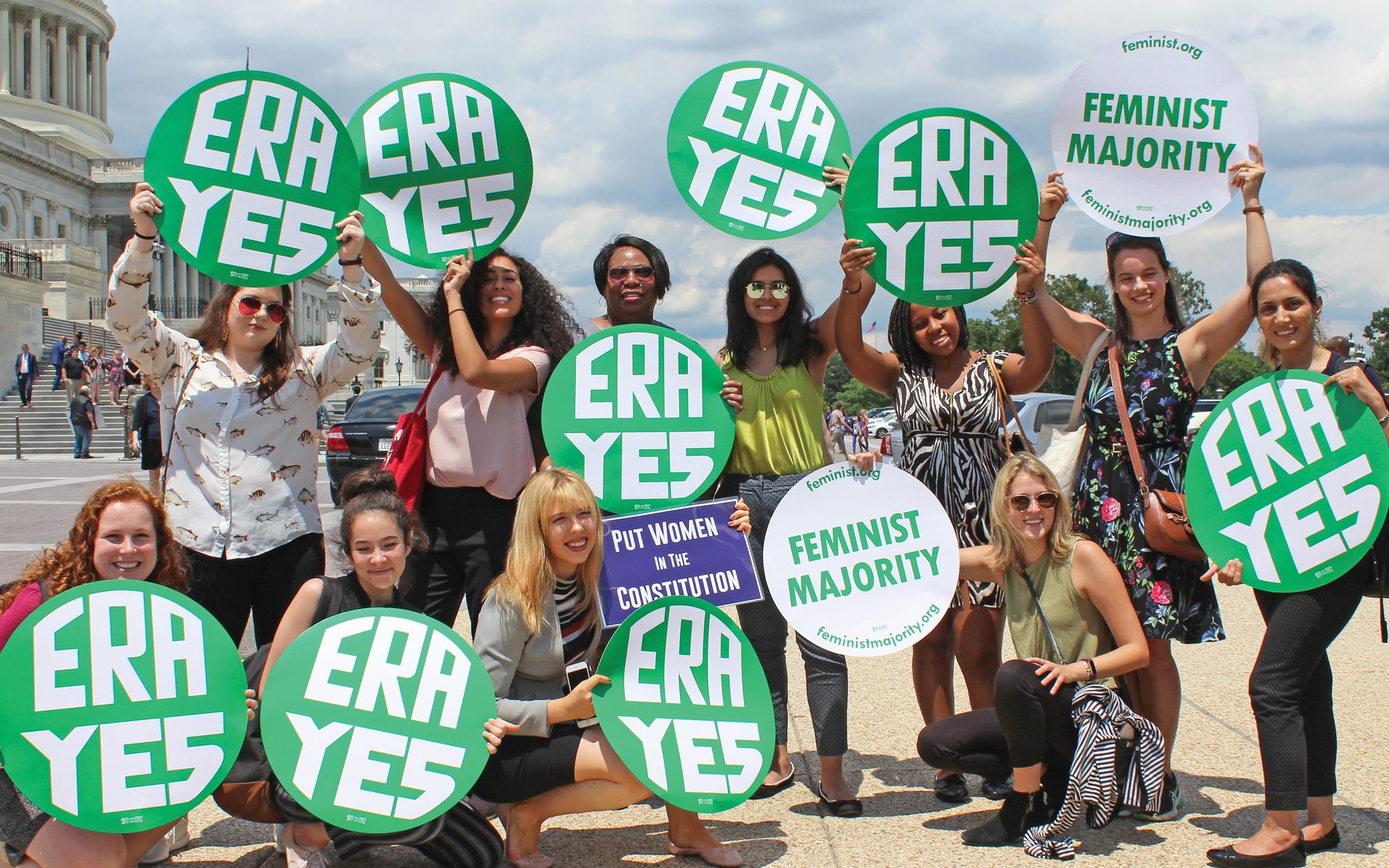
But, you get the gist. The goal of the ERA and further the 9to5 movement would guarantee equal legal rights for all Americans as it would become a constitutional right.
People believe that to have this amendment in the constitution would once and for all protect women.
But, my question is, would it really?
Would women truly be safe, represented, and protected if the ERA was able to become a constitutional amendment?
Could this decision make the feminist movement finally happy?
I don’t think so.
The older I’ve gotten the more I’ve realized that most human beings love one thing more than anything.
Money.
Why?
Because money equals power.
And so many times throughout history, it is shown that humans will do anything for money, and…
I don’t think the 9to5 movement is any different.
Like I said before, the 9to5 movement’s goals are already fixed legally.
Really their only job should be maintaining the protection of women’s rights at this point.
But it seems that sometime between the 1990s to 2010s, the movement shifted and went outside of its original goals creating problems that were not there in the first place.
Even going so far as involving itself in the LGBT+ movement when those matters have very little connection to the women’s movement. In fact, some of it is completely against the goals 9to5 fought for.

Has the movement forgotten its original purpose?
Have they forgotten why it was created in the first place? Because it seems like the movement stopped being about equal rights for women and more about... everything else.
Because truly, what happens if these last sets of laws like the ERA are put into law?
What then?
What happens to this movement?
Will women celebrate and move on?
A couple of years ago I was going through some not great stuff.
I was feeling very alone.
I felt stuck.
One day I was listening to a random musical theatre playlist, and the song “Get Out and Stay Out” came on...
And I completely broke down.
That song has helped me get through some really, really tough moments. The lyrics encompassed all of my thoughts, my feelings, my wishes…
My wish to break free.
My wish for a change, to make a change in my life.
I was tired of the crap I was going through or being put through.
I didn’t want to be a victim anymore.
I wanted to tell life that I wasn’t going to let it push me around anymore.
I was gonna be the one to make the choices, make the calls, be my own voice, and no one was gonna take that from me.
Of course, that’s easier said than done, right?
But that was a starting point that has gotten me to a better place.
I have overcome so much, and that feels so good to write. And that’s what 9 to 5 stands for.
The 9 to 5 story is a brillant example of what true femininity is.
It is what I think the 9to5 movement use to stand for, or are still standing for? I’m not sure I’m kind of wary about them now after all of my research.
Even though I felt confused and discouraged from all of the reading, watching, and listening I did on the 9to5 movement, I feel so... patriotic.
It was truly amazing to watch a group of women in both the story and in history stand up and defy the odds that were placed against them.
Watching these real life women stand up and fight for their voices is incredible.
Because of them, I don’t have to go through what these women went through.
I just wish I could understand this pattern of pessimism I keep seeing, because I am honestly tired of hearing the complaints, the insults, and the blaming I see in this research.
Why are we complaining about society, insulting other women for their points of view, and blaming men for literally everything? It doesn’t seem healthy.
To me, all of this complaining is not what feminism stands for.
At least not what 9 to 5 stood for.
And “9 to 5” would not be the classic it is today if it was written that way. Violet, Judy, and Doralee found solutions to their problems, worked together, and pushed against the status quo with dignity, modesty, and grace.
Just like the 9to5 members did back then. And they won.
To me, “9 to 5” proves that while there will always be hardships in your life, you have a choice.
You always have a choice.
That’s why “9 to 5” is such an iconic story.
A story of overcomers.