DISCOVER THE WORLD OF MUSICAL THEATRE WITH ME
DISCOVER THE WORLD OF MUSICAL THEATRE WITH ME

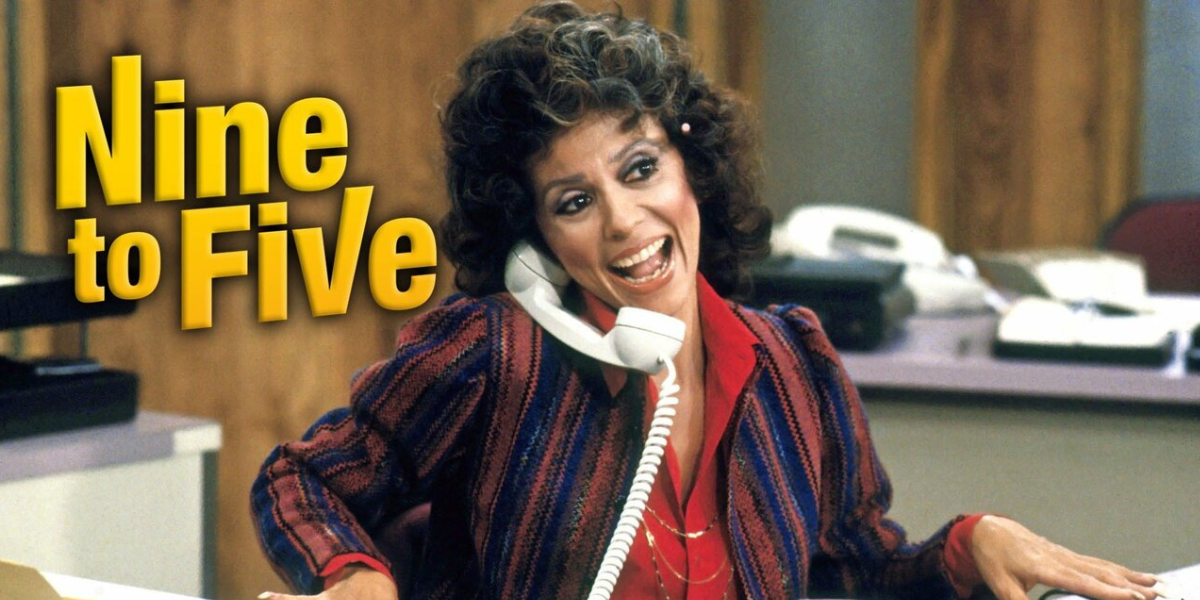
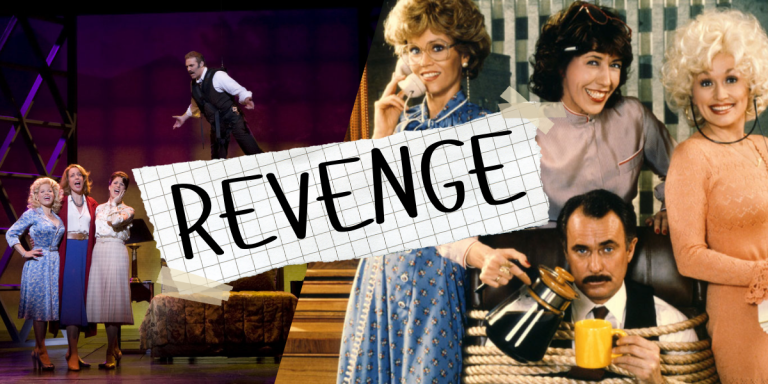
The characters navigate environments filled with mistreatment and unwanted sexual advances from male superiors.
The TV sitcom "9 to 5" tackles the theme of sexism and workplace harassment by placing its female characters in office environments where mistreatment particularly from male superiors is normalized, trivialized, or brushed aside.
Through humor and character-driven storytelling, the series exposes how deeply ingrained these behaviors are, while also showing the strategies women use to survive, resist, and slowly change those systems.

In "9 to 5", sexism is not portrayed as the result of one “bad man,” but as a structural problem embedded in office culture.
Male bosses and executives routinely talk down to female employees, take credit for their ideas, assume incompetence, or confine them to secretarial roles regardless of talent or experience.
This systemic inequality creates an environment where women are expected to tolerate disrespect simply to keep their jobs.
The sitcom format allows these moments to be exaggerated for comedy, but the underlying reality is clear: the women are operating in a workplace designed to benefit men while limiting their professional growth.
Unwanted sexual advances like leering comments, inappropriate touching, and coercive flirtation are depicted as an extension of male authority.
Harassment is rarely about attraction. It is about power.
Male superiors feel entitled to women’s bodies and attention, because they control promotions, schedules, and job security.

What makes "9 to 5" especially sharp is how it shows harassment being dismissed by the system itself.
Complaints are minimized, victims are blamed or mocked, and this burden falls on the women rather than on the perpetrators. This reflects a culture where silence is expected and speaking up is risky.
Sexism and harassment are experienced differently by each of the three main women, shaped by their roles, personalities, and perceived “value” in a male-dominated workplace.
What the show does especially well is demonstrate that there is no single way sexism operates. Each woman is targeted in ways that reflect how society stereotypes women at work.

Violet’s mistreatment is rooted less in overt sexual harassment and more in systemic, career-based sexism.
Doralee faces the most overt sexual harassment driven by how men perceive her appearance.


Judy’s experience reflects how sexism intersects with inexperience and emotional vulnerability.
What unites Violet, Doralee, and Judy is that each is harmed by the same patriarchal workplace, even though the harm takes different forms:
Rather than portraying the women as passive victims, the show emphasizes how they navigate these environments.
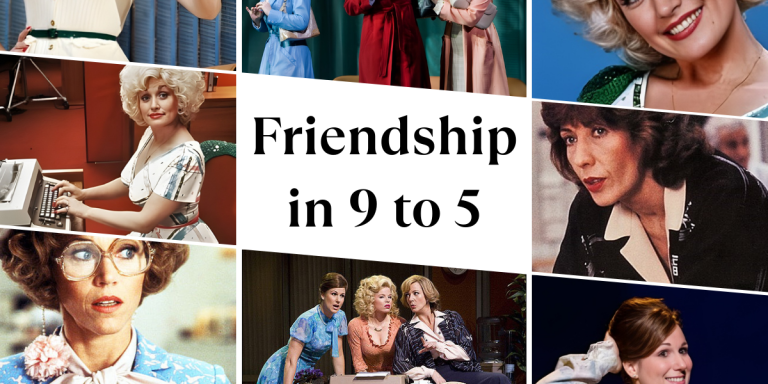
Some use humor or deflection, others rely on professionalism and restraint, and many lean on each other for emotional support. Their friendships become a survival tool where they can name the injustice they face, validate each other’s experiences, and regain a sense of agency.

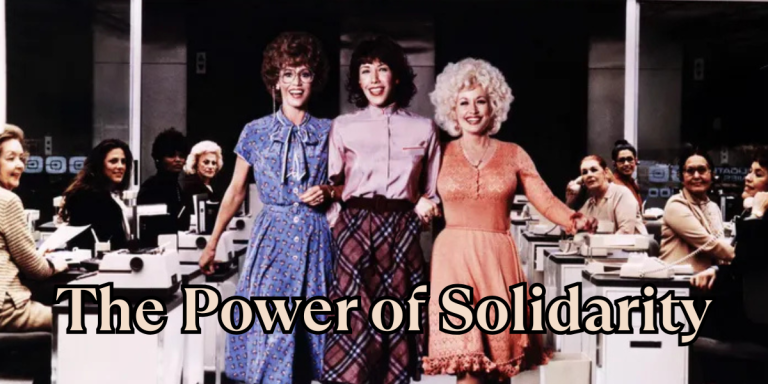
Collective action, even in small ways, becomes key.
When the women share information, back each other up, or subtly undermine sexist authority, the show suggests that solidarity is one of the most effective responses to harassment.
By framing sexism and harassment through comedy, "9 to 5" does something quietly radical: it refuses to normalize the behavior, even when characters within the story do.

The audience is invited to laugh not at the women’s suffering, but at the absurdity and cruelty of the men who wield power so poorly.
Humor becomes a form of critique, exposing how ridiculous and damaging these attitudes are.
Ultimately, "9 to 5" presents a hopeful message.
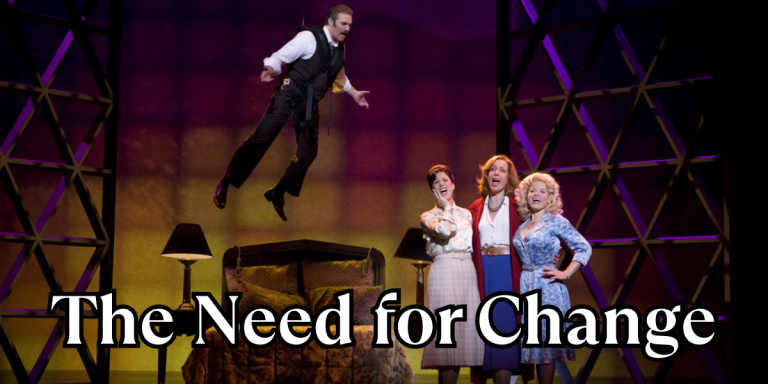
While sexism and harassment are shown as pervasive and exhausting, they are not inevitable. Change begins when women refuse to internalize blame, support one another, and imagine a workplace built on respect rather than fear.
The show acknowledges the emotional toll of enduring mistreatment, but it also affirms women’s resilience and right to dignity in professional spaces.
I hope you learned something new! Check out some of my other blogs and learn more about the world of musical theatre 🙂 See you later!