DISCOVER THE WORLD OF MUSICAL THEATRE WITH ME
DISCOVER THE WORLD OF MUSICAL THEATRE WITH ME

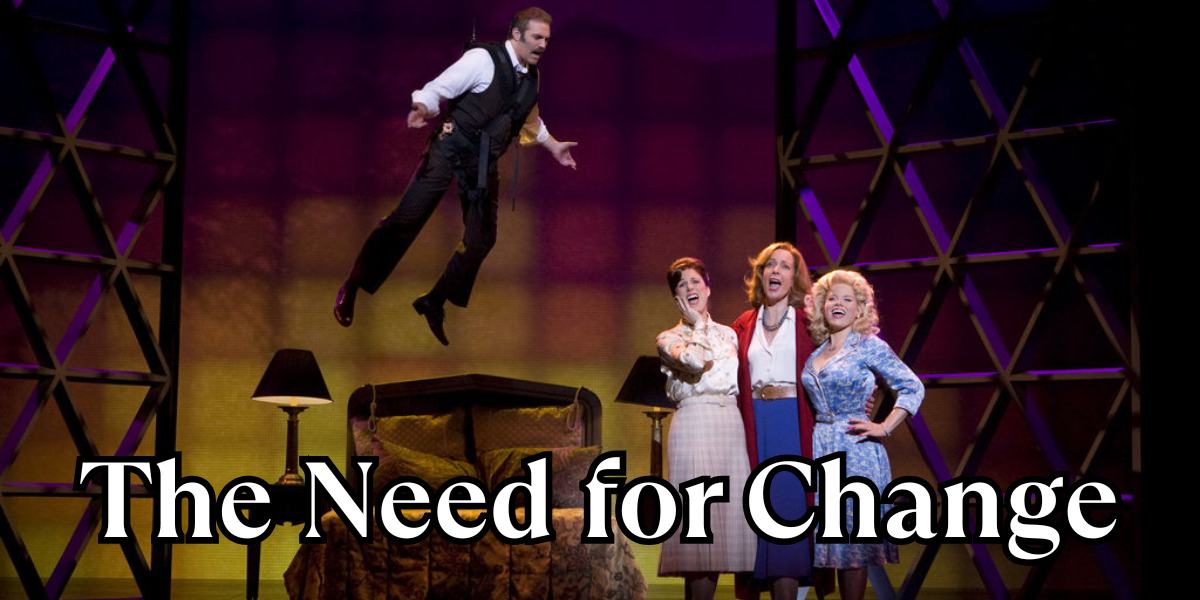
Beyond just removing a bad boss, the story suggests that corporate structures need to be more fair and transparent.
In "9 to 5", the need for change goes far beyond the removal of a single cruel boss.
While Franklin Hart Jr. is an obvious symbol of workplace injustice, the story ultimately argues that systemic change not just personal revenge is necessary for real progress.
Hart thrives because the corporate structure enables him: promotions are arbitrary, credit is stolen without consequence, transparency is nonexistent, and power is concentrated almost entirely in male hands.
His behavior is not an anomaly. It is a symptom of a deeply flawed system.

When Violet, Judy, and Doralee take control of the office, the most radical shift isn’t that Hart is temporarily neutralized. It’s that the women reimagine how the workplace could function.
They implement fair promotion practices, flexible schedules, job-sharing, daycare, and open communication. These changes directly improve productivity and morale, showing that fairness and transparency are not just ethical ideals but practical solutions.
The film and musical makes a pointed statement: the office works better not because a “bad man” is gone, but because power is redistributed and policies are designed to value workers as people.

Importantly, "9 to 5" critiques the idea that replacing one boss with another is enough.
When Hart is eventually promoted rather than punished, the story underscores how corporate systems often protect those at the top while ignoring harm done below.
This reinforces the theme that real change requires structural accountability, not just individual consequences. The women’s success exposes the absurdity of a system that resists reform even when evidence proves reform works.

Ultimately, "9 to 5" frames the need for change as a collective, institutional awakening. It argues that fairness, transparency, and respect should be built into corporate culture itself not dependent on whether the person in charge happens to be decent.
The story’s lasting power comes from this insight: true workplace justice isn’t about escaping one bad boss, but about transforming the system that allowed him to exist in the first place.