DISCOVER THE WORLD OF MUSICAL THEATRE WITH ME
DISCOVER THE WORLD OF MUSICAL THEATRE WITH ME

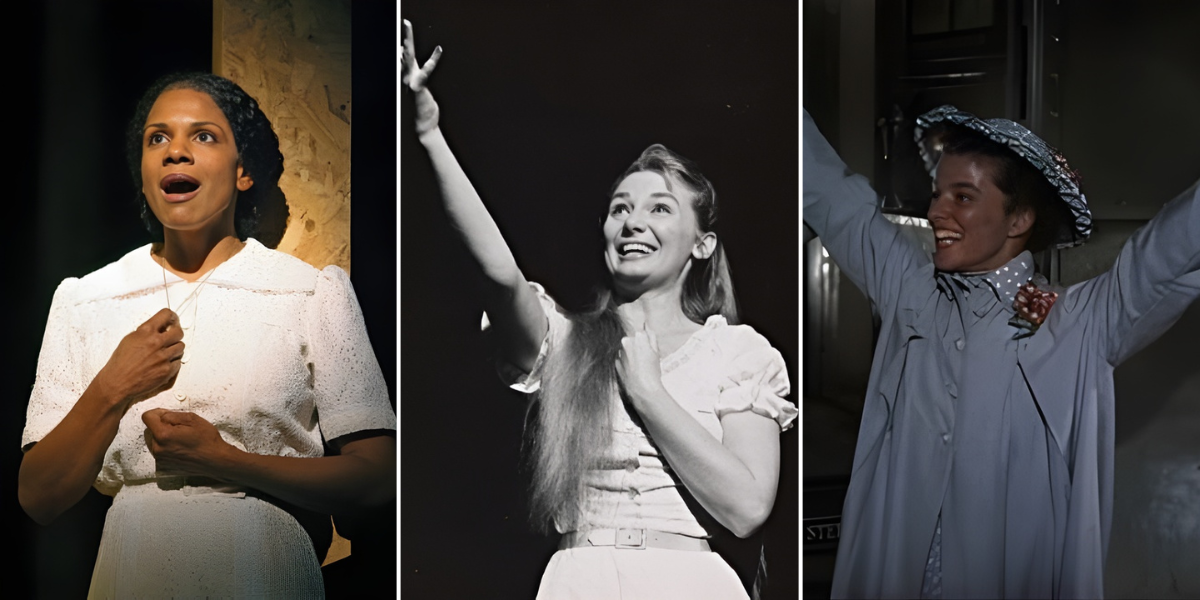
Lizzie learns to value herself beyond societal pressures realizing she doesn't need to change to be loved.

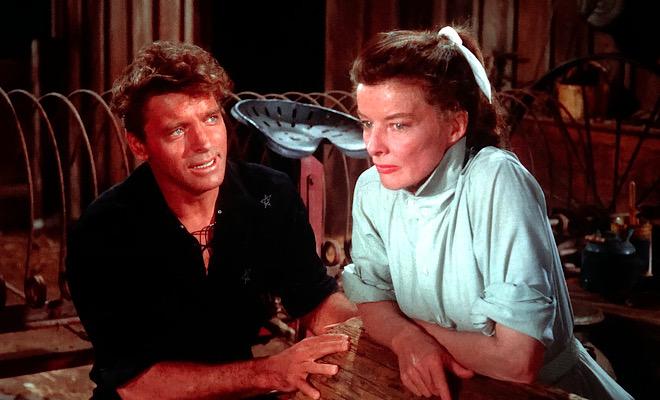

In "The Rainmaker", Lizzie has internalized the belief that she is undesirable and therefore lacking. She’s not married. She’s not pursued. She’s “too old.” Her brothers treat her as a problem to solve.
Society has taught her:
Lizzie begins the play believing she is:
But the tragedy isn’t that she isn’t beautiful.
It's that she believes she isn't worth loving.
Bill Starbuck manipulates people constantly, but with Lizzie, something different happens. He tells her she is beautiful. He insists she is desirable. He describes her as vibrant and full of life.
At first, it’s performance.
But what matters thematically isn’t whether Starbuck “means it.”
What matters is that Lizzie starts to see herself differently.
The turning point isn’t that a man validates her.
It’s that she allows herself to imagine that she might already be enough.
The play suggests:
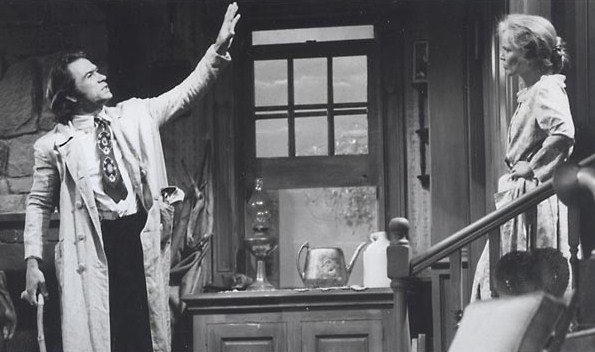

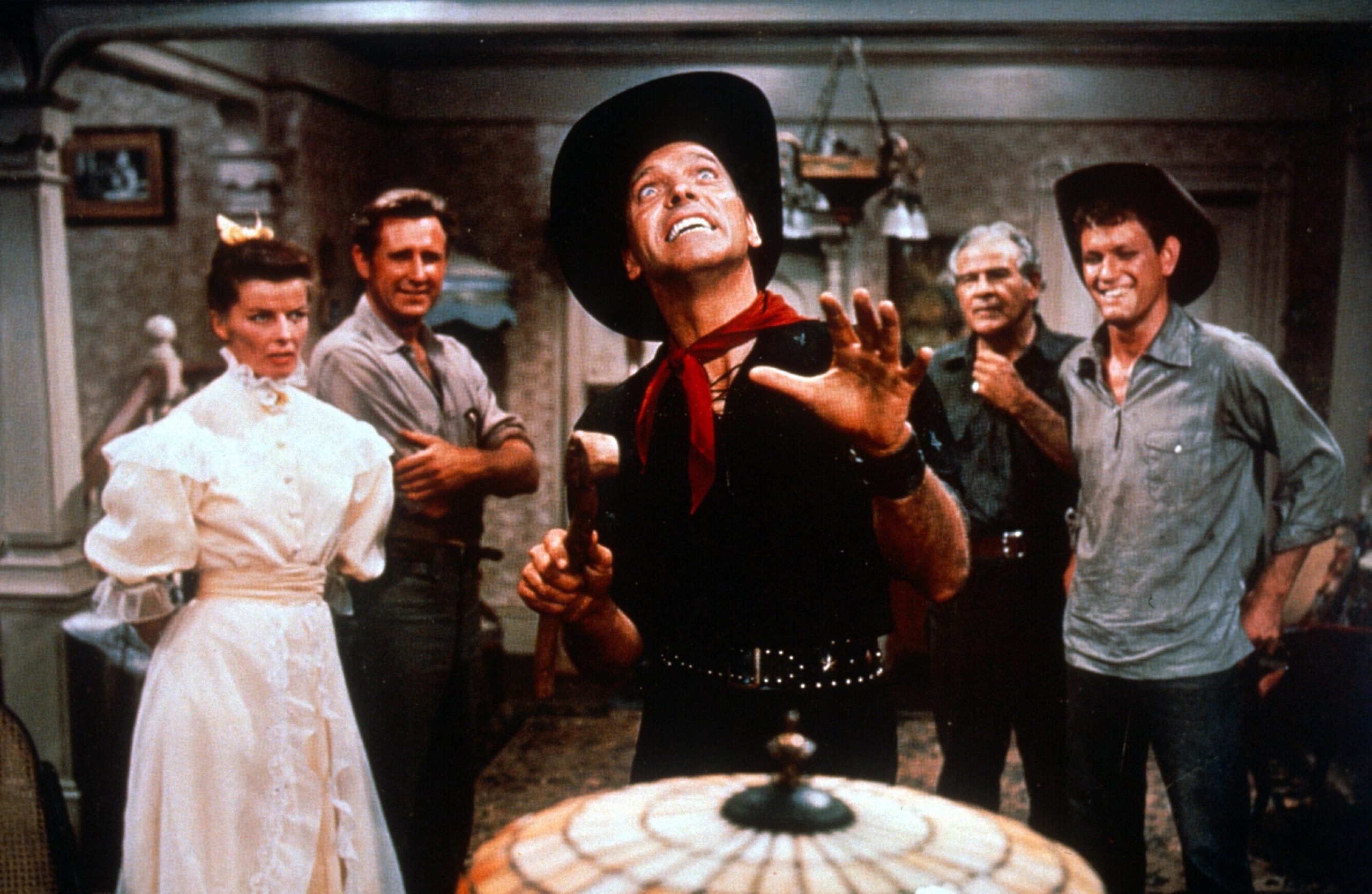
By the end, Lizzie doesn’t cling to Starbuck because she needs validation.
She chooses based on self-respect. That shift is the true transformation.

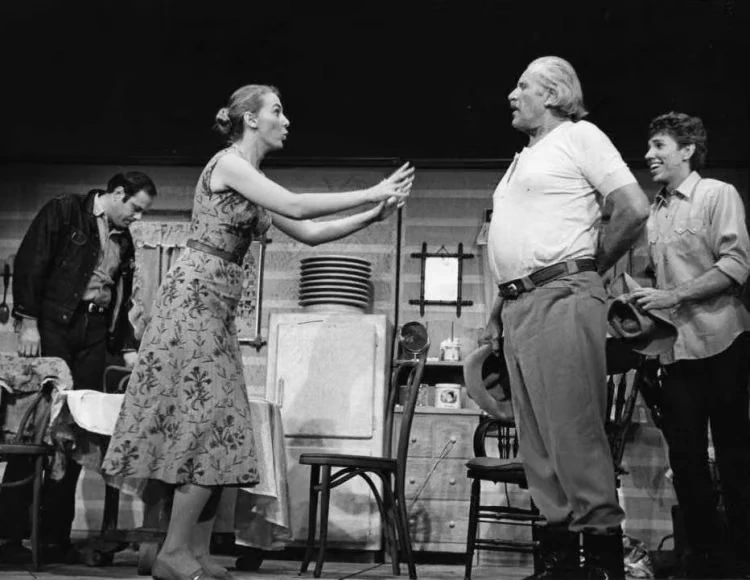
This song comes early, and it reveals something crucial:
Lizzie’s insecurity didn’t start with the town.
It started with longing.
She isn’t demanding love.
She’s afraid of losing it before she’s even had it.
This tells us:
That’s deep-rooted insecurity.
“Raunchy” is a high-energy, almost carnival-like number that embodies what Lizzy thinks people want her to be.
The song represents:
Lizzy makes a spectacle of herself, because she believes she lacks spectacle.
She isn’t:
So, in a world dazzled by “Raunchy” energy, she feels even more invisible.




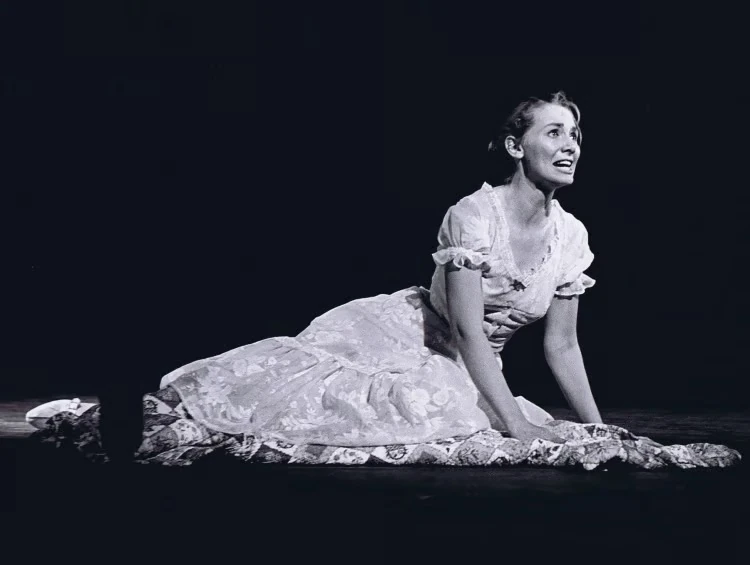
Then comes the branding.
The town crystallizes what she already fears:
The word “old maid” functions like a verdict.
It turns private insecurity into public identity.
What’s powerful is that Lizzie doesn’t protest it.
She absorbs it.
That’s the tragedy.
The song externalizes the pressure:
Now her fear has a label.
This song is Lizzie expressing what she genuinely longs for:
She doesn’t want spectacle.
She doesn’t want glamour.
She doesn’t want excitement for excitement’s sake.
She wants belonging.
This song is crucial for the theme of inner beauty because it reveals:
Her desires are humble, sincere, and deeply human.
This simplicity is her beauty:
“Simple Little Things” shows her inner life in its purest form.
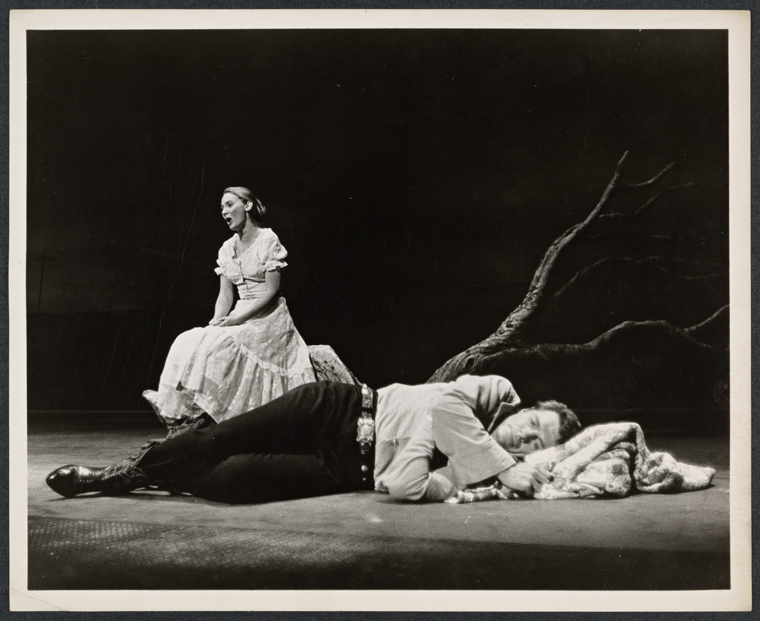
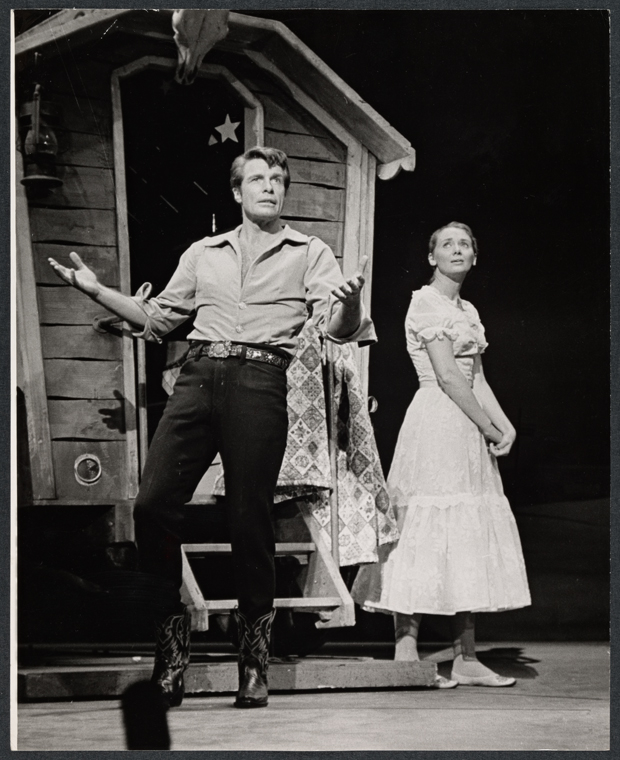

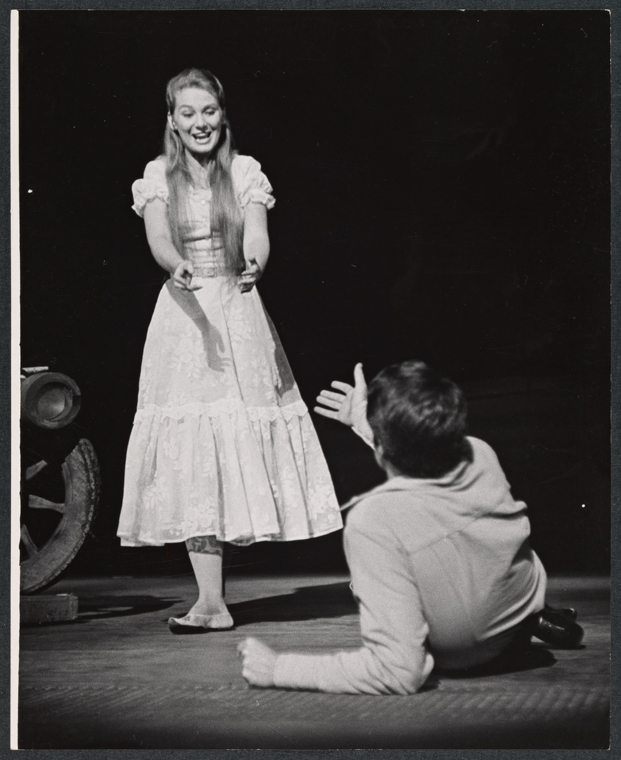

This is the turning point.
For the first time, Lizzie allows herself to consider the possibility that she might actually be worthy of love.
“Is It Really Me?” isn’t vanity. It’s disbelief.
Why this matters:
Now, she is beginning to see herself through someone else’s eyes.
And what she sees isn’t an “old maid.”
It’s a woman with depth and beauty.
Both "The Rainmaker" and "110 in the Shade" ultimately argue:
Self-worth is not earned through:
It is discovered through:
Lizzie doesn’t become beautiful.
She realizes she already was.
And that realization, more than the rain, is the real miracle.
I hope you learned something new! Check out some of my other blogs and learn more about the world of musical theatre 🙂 See you later!