DISCOVER THE WORLD OF MUSICAL THEATRE WITH ME
DISCOVER THE WORLD OF MUSICAL THEATRE WITH ME

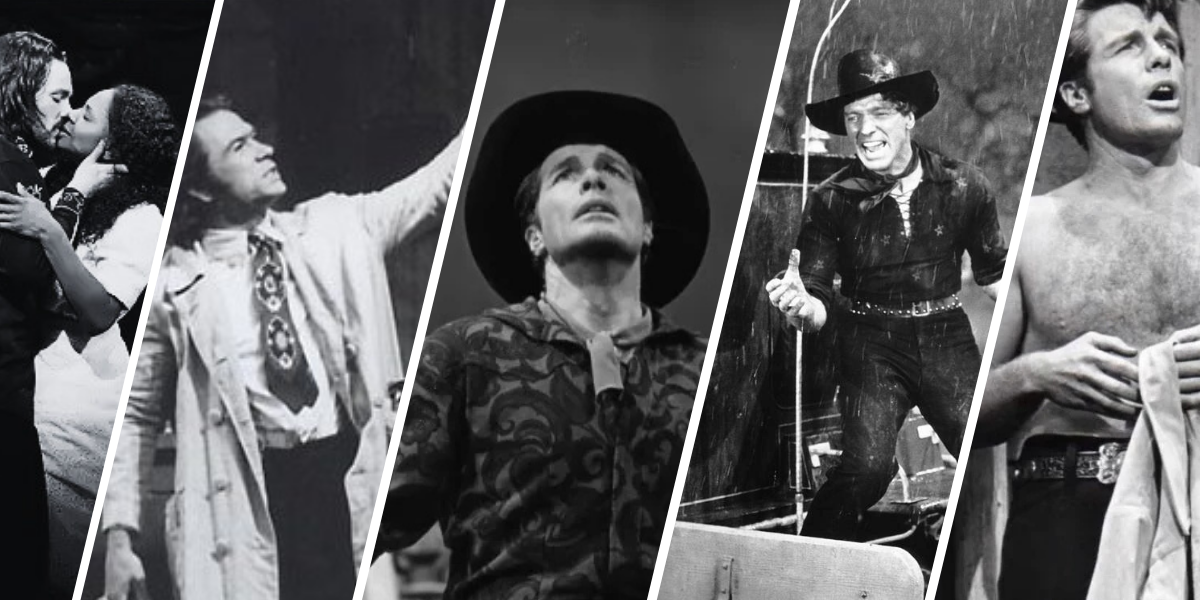
Bill Starbuck uses a variety of subtle and overt manipulation tactics to achieve his goals particularly in persuading the Curry family to believe in his rainmaking abilities and in shifting Lizzie’s self-image.
Bill Starbuck in "The Rainmaker" is charming, magnetic, and persuasive, but he absolutely uses manipulation as a tool.
The complexity of his character lies in the fact that his manipulation isn’t purely malicious; it’s strategic, theatrical, and often rooted in his belief that people need hope more than truth.
Here are his main manipulation tactics:
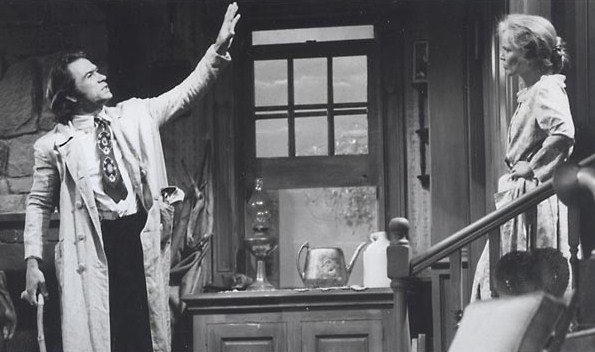
Starbuck never presents himself as “maybe” being able to bring rain. He speaks in bold absolutes.
In a drought-stricken town, desperation makes people vulnerable.
He capitalizes on that by offering certainty in an uncertain world. He understands that emotional relief is often more powerful than logic.
He creates spectacle. His confidence, dramatic language, and showmanship distract from the lack of evidence behind his claims. He performs belief so convincingly that others start to believe simply because he does. His manipulation works through charisma rather than force.
Starbuck reads people quickly:
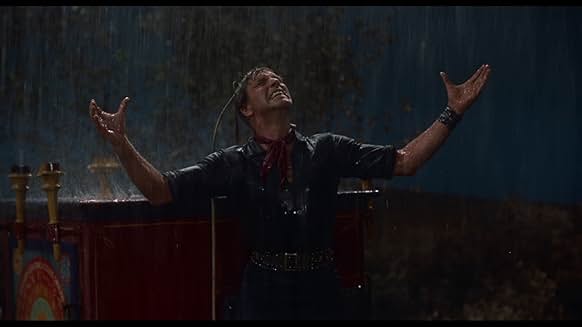
When challenged, Starbuck doesn’t retreat. He redirects. If something goes wrong, he spins it into part of the plan. He reframes skepticism as lack of faith. This keeps control of the narrative in his hands.

Starbuck may not even fully see himself as a liar. He believes that if people act as though something is true, it can become true.
His manipulation is philosophical: he prioritizes belief over fact.
He convinces others (and perhaps himself) that the experience of hope is worth the deception.
With Lizzie, he shifts from conman to romantic visionary. He paints a picture of a bigger world and a different version of herself. He doesn’t just manipulate her fears. He awakens her imagination. That’s powerful persuasion because it feels empowering rather than controlling.

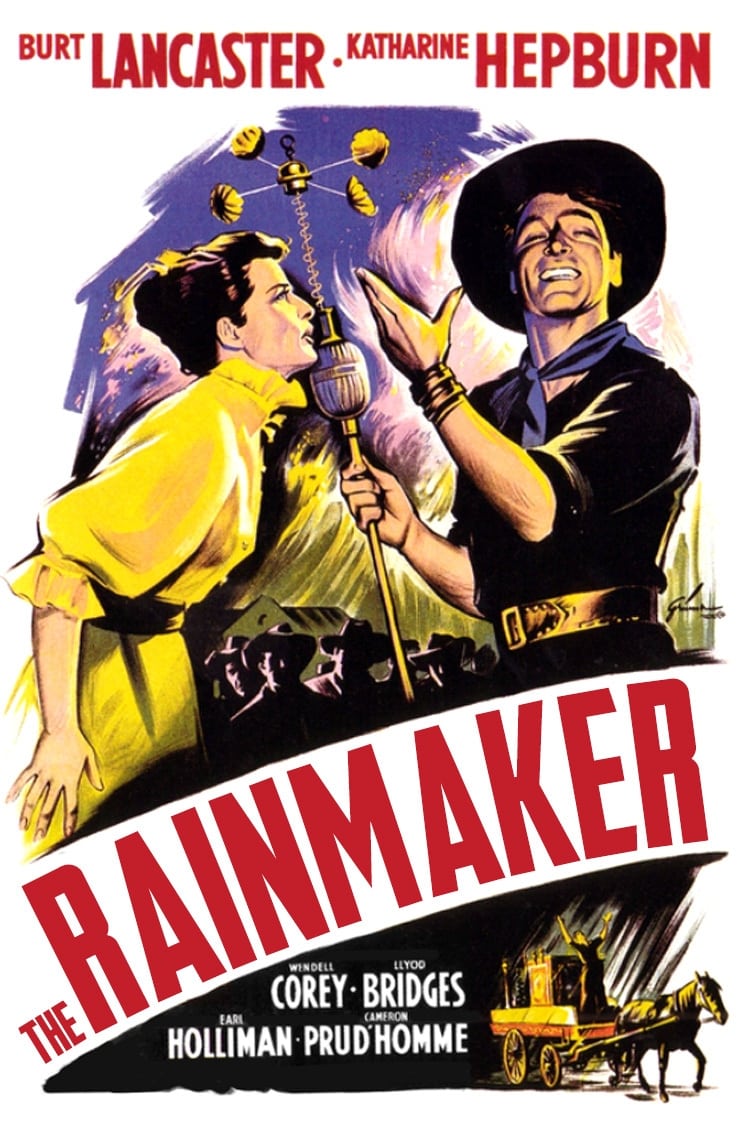
Importantly, Starbuck is not written as a simple villain. The play leaves space for ambiguity.
Is he a fraud? Yes.
Is he cruel? Not necessarily.
Does he change Lizzie’s life for the better? Arguably, yes.
His manipulation works because it’s wrapped in affirmation, possibility, and confidence. He gives people something they desperately need: belief.
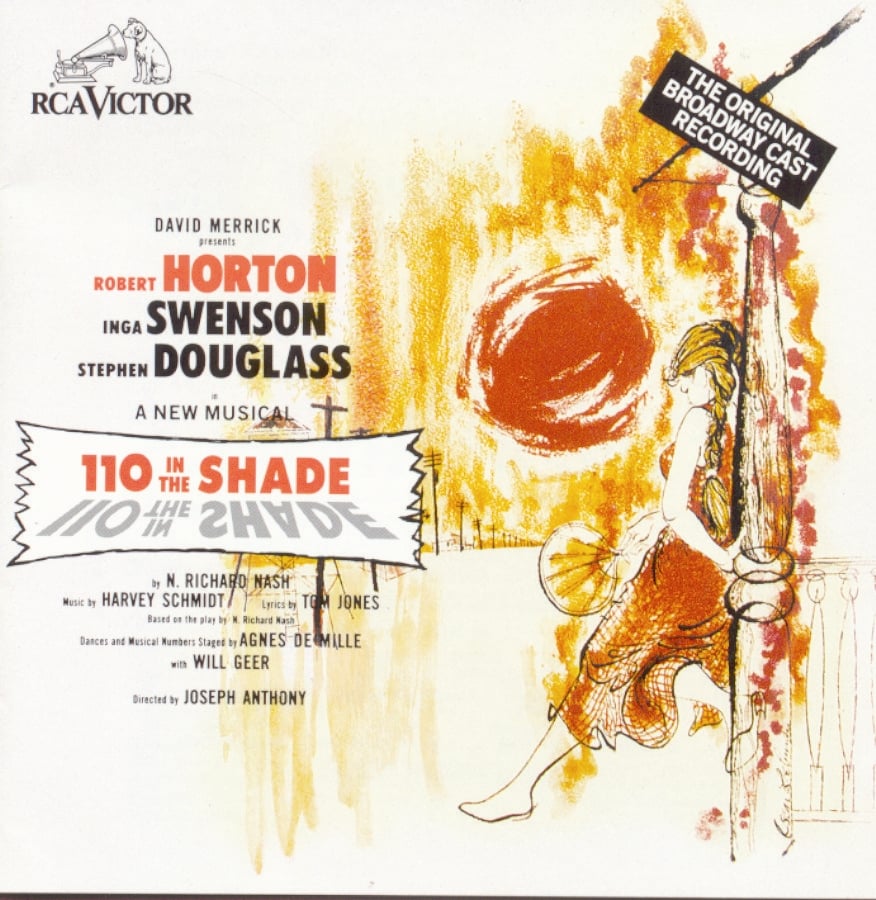
In "110 in the Shade", Bill Starbuck keeps the same core DNA as in "The Rainmaker", but the musical heightens his manipulation through song, romance, and heightened theatricality.
Because it’s a musical, his tactics are more seductive, more emotional, and often disguised as inspiration.
Here are his main manipulation tactics in the musical:
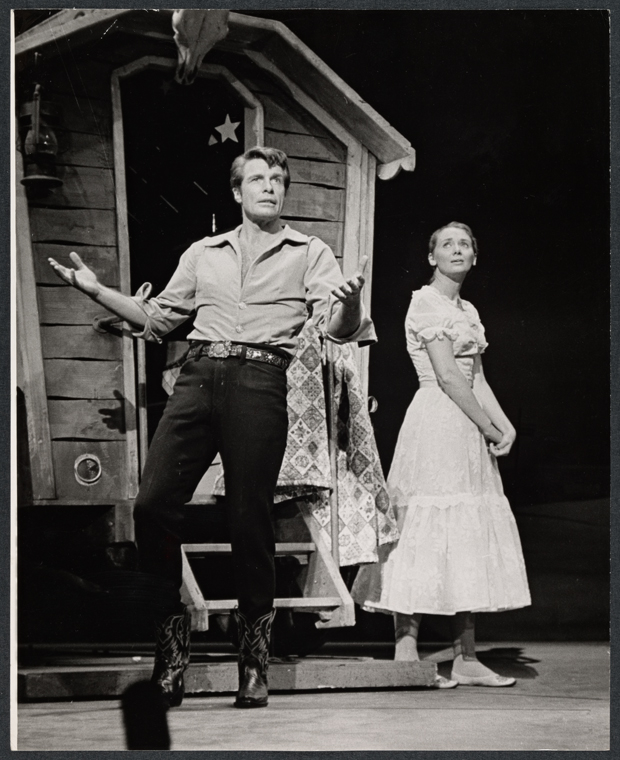
From the moment he arrives, Starbuck performs confidence.
In numbers like “The Rain Song", he doesn’t just claim he can bring rain.
He creates an atmosphere of belief. The music supports him: rhythm, build, and repetition make his promises feel inevitable.
He manipulates through spectacle. If people are swept up emotionally, they’re less likely to question logic.
Starbuck often pressures the family to act quickly. Drought equals desperation, and he amplifies that urgency so they don’t have time to fully analyze him.
His tone suggests: Act now or lose your chance.
Urgency is a classic manipulation tool. It overrides rational thought.
In the song “You're Not Foolin' Me”, Starbuck identifies Lizzie’s core wound: she believes she is plain, unwanted, and past her chance at love.
So, in "Melisande", he reframes her identity. He speaks to her as if she is radiant, rare, and powerful. He doesn’t argue with her insecurity. He replaces it with a new narrative.
Whether calculated or sincere, he:
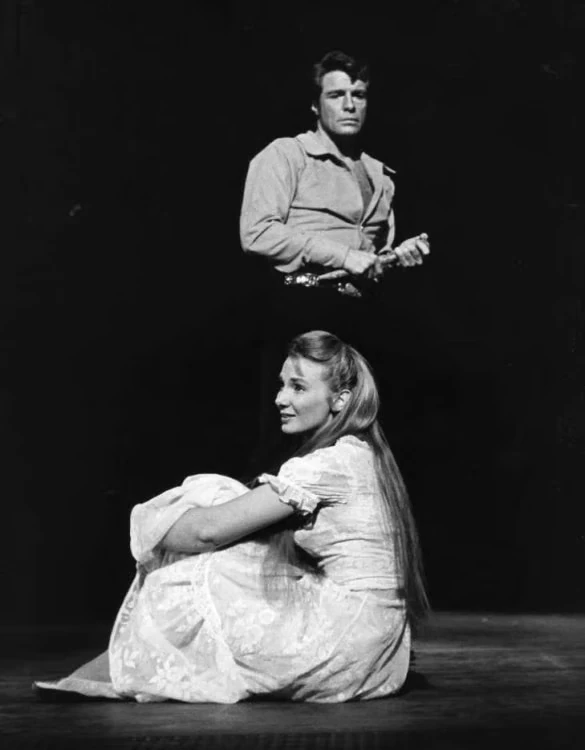
Starbuck doesn’t just offer Lizzie compliments. He offers her escape.
He paints a world bigger than the drought, bigger than the ranch, bigger than spinsterhood. He frames leaving with him as becoming.
That’s powerful persuasion, because it ties love to transformation.
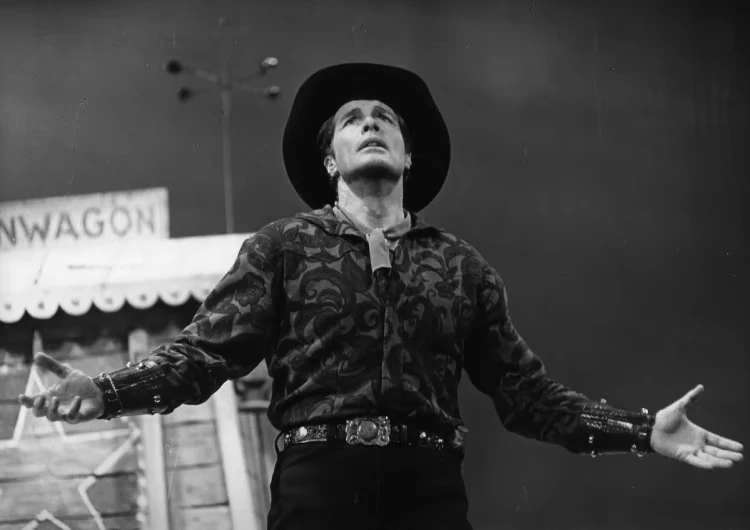
When others question him, Starbuck pivots rather than defends. He:
He keeps control of the narrative by never fully engaging in logical debate.
In the musical, Starbuck feels slightly more romanticized than in the play. There’s ambiguity about whether he truly believes in what he sells. The songs allow us to glimpse moments where he might almost convince himself.
Because it’s a musical, his manipulation isn’t just textual. It’s embodied:
He uses physical dominance without aggression.
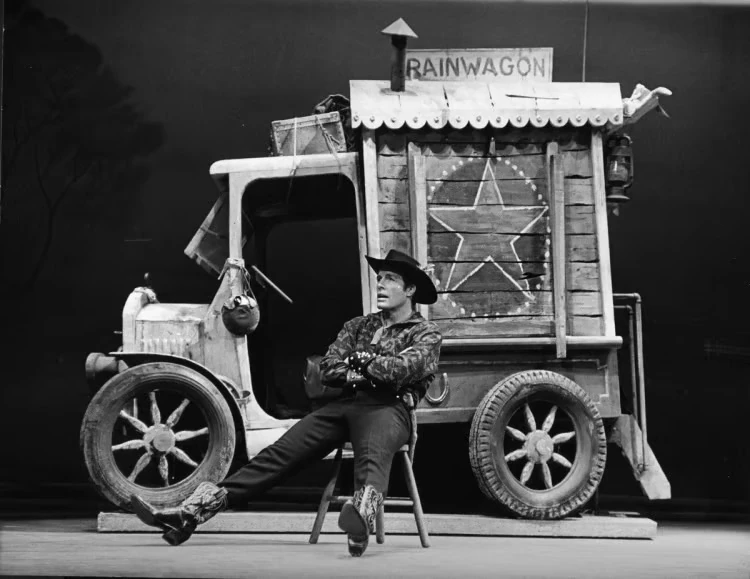

The tension becomes less about “Is he a fraud?” and more about:
And, is Starbuck:
Bill Starbuck manipulates the Curry family in the play, film, and musical using the same core strategy: he reads what each person desperately wants, then speaks directly to that desire.
The musical heightens it emotionally, but the psychological mechanics are the same.
Let’s break it down family member by family member.

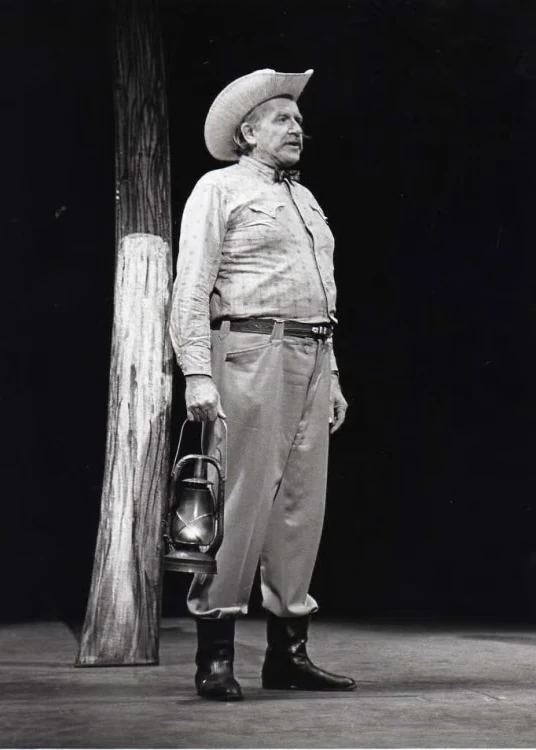
H.C. is drowning in quiet fear. The drought threatens his ranch. His daughter Lizzie remains unmarried. He feels responsible for both.
Starbuck doesn’t pressure him aggressively. Instead, he offers relief.
He speaks in absolutes. He doesn’t say he might bring rain. He declares he will. That certainty feels like oxygen in a suffocating drought. Starbuck reframes payment as investment and subtly affirms H.C. as a good father trying to do right by his family.
In both versions, H.C. chooses belief. Starbuck simply gives him permission to hope.
Vulnerability:
Starbuck’s Tactic: Hope
Starbuck approaches H.C. not as an equal, but as a man offering rescue. He:
He gives H.C. two things:
That’s the first layer of manipulation: emotional relief disguised as opportunity.
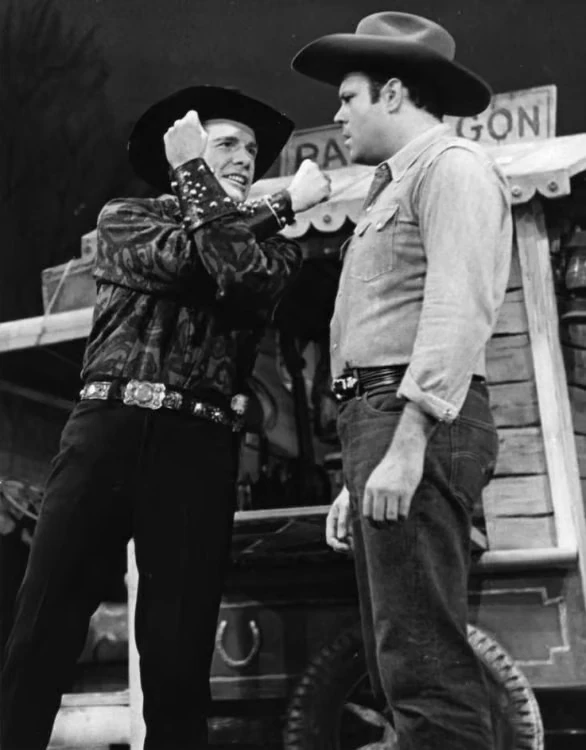
Noah is practical, stubborn, and suspicious. He sees through Starbuck faster than the others. Charm alone won’t sway him.
So Starbuck pivots.
Instead of debating facts, he reframes doubt as small-mindedness. He suggests that faith requires strength and imagination, while skepticism signals fear.
In group dynamics, this is powerful: Noah begins to look rigid and joyless, while Starbuck appears expansive and visionary.
Vulnerability:
He doesn't try to convince Noah logically. He isolates him socially.
Starbuck’s Tactic: Reframing Doubt
With Noah, charm doesn’t work. So, Starbuck shifts tactics.
He:
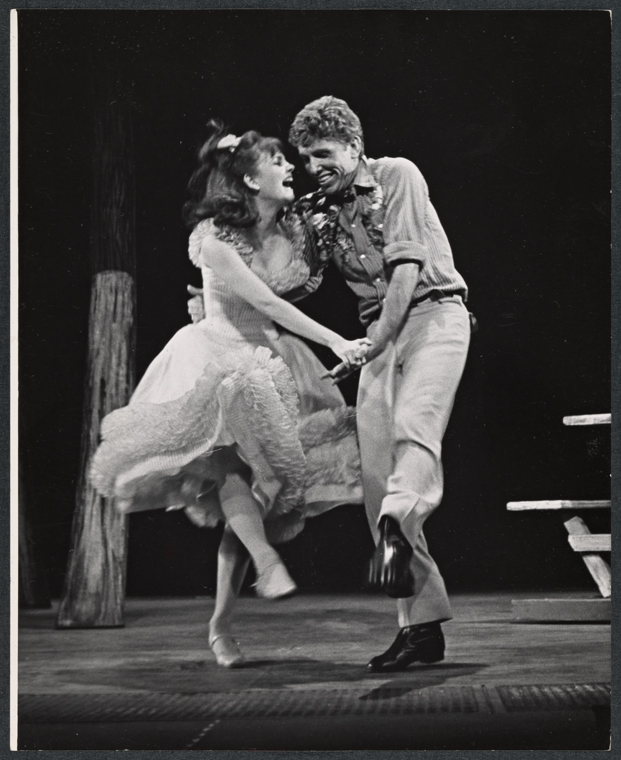
The younger brother represents youthful optimism. He wants to believe in something bigger than the dust and heat.
With Jimmy, Starbuck doesn’t manipulate through pressure. He simply performs.
Charisma spreads. Energy spreads. Hope spreads.
Jim’s belief becomes another reinforcement for the family’s growing faith. Starbuck understands that enthusiasm is contagious, and once enough people believe, resistance weakens.
Vulnerability:
Starbuck’s Tactic: Inspiration
Jimmy is the easiest to sway.
Starbuck doesn’t need to pressure him. He just performs. Jim represents the part of the town that wants magic.
Starbuck uses enthusiasm as influence here. Less manipulation, more emotional contagion.
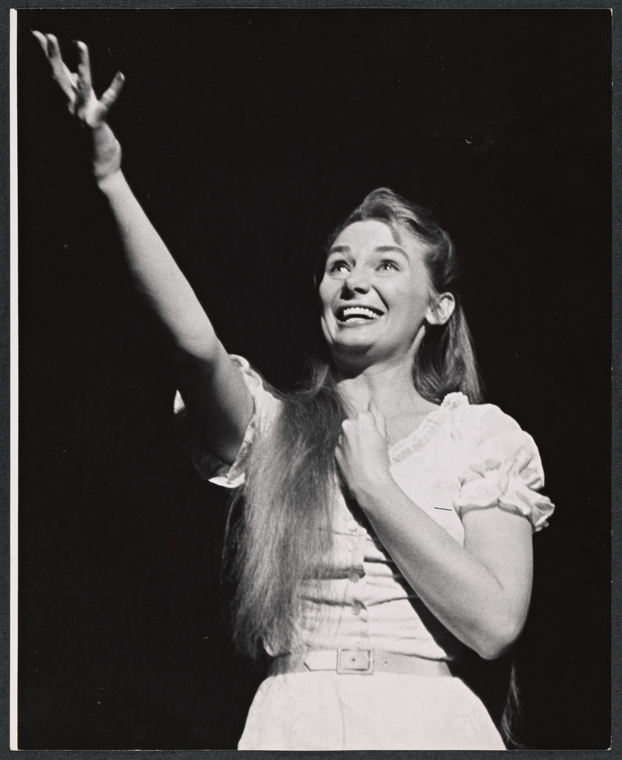
Lizzie is the heart of Starbuck’s most powerful manipulation.
Her vulnerability is not financial.
It’s personal.
She believes she is plain, unwanted, past her prime. The town has quietly confirmed that fear for years.
Starbuck doesn’t argue with her insecurity.
He replaces it.
In the play, his words are direct and intimate. In the musical, this blossoms into their songs. He speaks to her as if her beauty is obvious. He treats her as desirable. He names a version of her she has never seen.
Whether entirely sincere or strategically intuitive, he identifies her deepest wound and offers healing through affirmation.
Vulnerability:
Starbuck’s Tactic: Rewrite Identity
This is the heart of both stories.
He:
And here’s the crucial difference:
With the ranch, he sells rain.
With Lizzie, he sells transformation.

That's far more powerful.
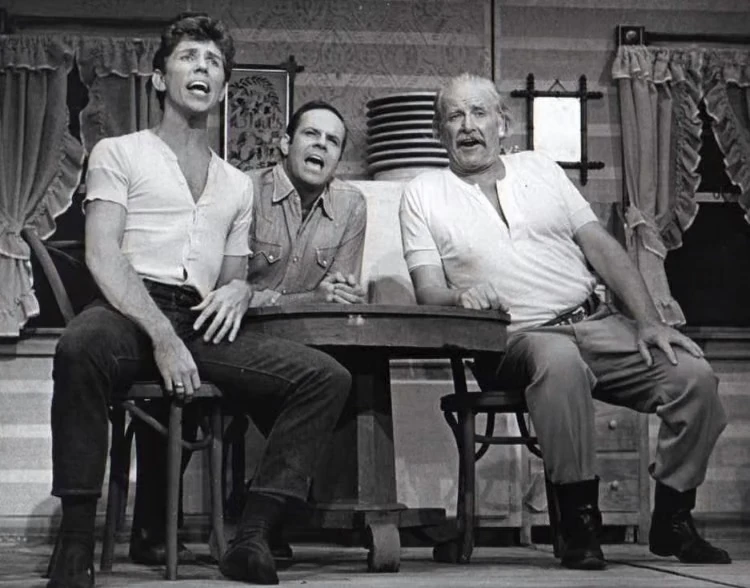
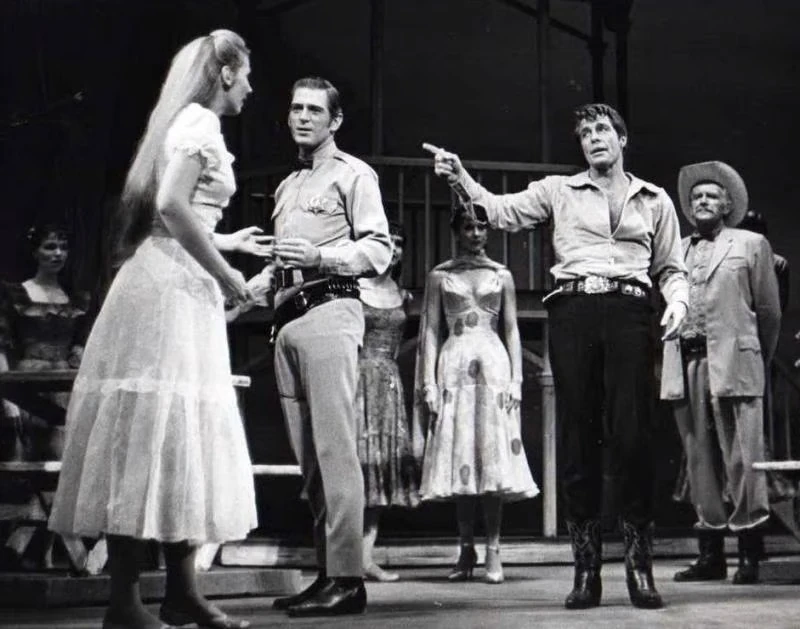
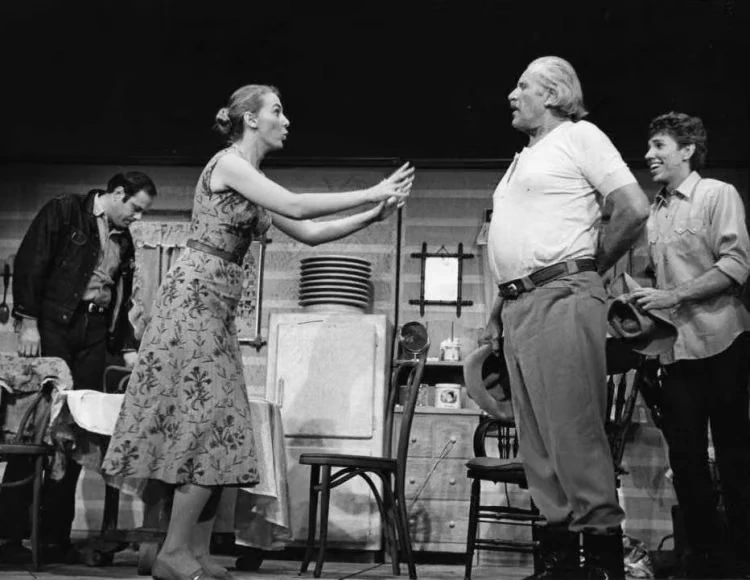
Starbuck manipulates the Currys collectively through:
Drought equals desperation. He pushes quick decisions.
He never hedges. Certainty feels safe.
He controls the room’s energy.
He understands that when people are desperate, hope is more valuable than money.
Starbuck manipulates in all three versions, but how he manipulates shifts depending on the medium. The core tactic is the same (identify vulnerability and sell belief), but the tone, intensity, and sympathy change.
Let’s break it down specifically in terms of manipulation style.
In the original stage play, Starbuck’s manipulation is the sharpest and most strategic.
What defines it:
With H.C., he leverages desperation about the drought.
With Noah, he isolates skepticism.
With Lizzie, he directly targets her insecurity.
His compliments to Lizzie feel deliberate, almost experimental.
He watches her reaction and builds on it.
The tension lies in the ambiguity: does he believe what he’s saying, or is he just skilled at saying it?
The play keeps us aware that:
His manipulation feels intentional and practiced. The danger is psychological.
The film softens the edges considerably.
Because Burt Lancaster plays Starbuck with warmth and magnetism, manipulation shifts from calculated strategy to romantic charm.
He still:
But it feels less predatory and more instinctual.
His manipulation becomes flirtation.
His urgency becomes passion.
His certainty feels heroic rather than opportunistic.
The camera also works in his favor: close-ups create intimacy. The audience is invited to trust him more than in the play.
In the film, manipulation feels less like a con and more like bold romantic persuasion.
The musical changes the tactic through music itself.
Songs allow Starbuck to:
When Starbuck sings, belief becomes contagious. The audience feels what the characters feel. That emotional sweep makes his manipulation seem transcendent instead of transactional.
His identity-rewriting feels transformative rather than strategic.
The musical reframes manipulation as awakening.
He still uses the same core moves:
But music makes those tactics feel romantic, almost mythic.
Manipulation = psychological precision.
We are aware he is working the room.
Manipulation = seduction and charm.
We are encouraged to fall for him too.
Manipulation = emotional elevation.
We experience the belief alongside the characters.
Starbuck’s manipulation follows a pattern:
Lizzie disrupts the pattern.
She ultimately chooses herself, not because he saves her, but because he awakens something she claims as her own. When she no longer needs validation, his leverage weakens.
The manipulator loses power when the vulnerable gain self-worth.
But, at the end of the day, Bill Starbuck doesn’t manipulate with cruelty. He manipulates with affirmation, urgency, and spectacle.
That’s what makes him dramatically compelling. He may sell illusions, but sometimes, the belief he sparks becomes real.
I hope you learned something new! Check out some of my other blogs and learn more about the world of musical theatre 🙂 See you later!