
DISCOVER THE WORLD OF MUSICAL THEATRE WITH ME
DISCOVER THE WORLD OF MUSICAL THEATRE WITH ME


Barely gettin' by, it's all takin' and no givin'
They just use your mind and you never get the credit
It's enough to drive you crazy if you let it
Dolly Parton
Theme Song for "9 to 5"
In the forgotten TV show "9 to 5", three very different working women navigate friendship, ambition, and workplace politics as they band together to outsmart their sexist boss at a corporate office.
"9 to 5" is an American TV show based on the 1980 film "9 to 5". It aired on ABC from March 25, 1982 to October 27, 1983 before being canceled. The show came back for two more seasons from September 13, 1986 to March 26, 1988.
The concept of the TV sitcom was to adapt the hit 1980 film into an episodic workplace comedy centered on three women working at Consolidated Companies, a large corporate office. Like the film, the show focused on female friendship, workplace inequality, and the daily absurdities of office life particularly dealing with an incompetent, sexist boss.
Instead of retelling the movie’s plot, the series expanded the world into ongoing storylines, allowing the women to grow professionally and personally while tackling issues like promotions, office politics, romance, corporate restructuring, and gender discrimination. The humor balanced satire with heart, portraying working women as capable, intelligent, and united against a male-dominated system.
Created by
Micheal S. Baser
Kim Weiskopf
TV-PG
Each episode - 30 minutes including ads
Production Companies - IPC Films, 20th Century Fox Television
Networks - ABC (1982-1983), Syndication (1986-1988)
Sitcom
1980s, A corporate office environment in Los Angeles
Not a musical. No singing or dancing.
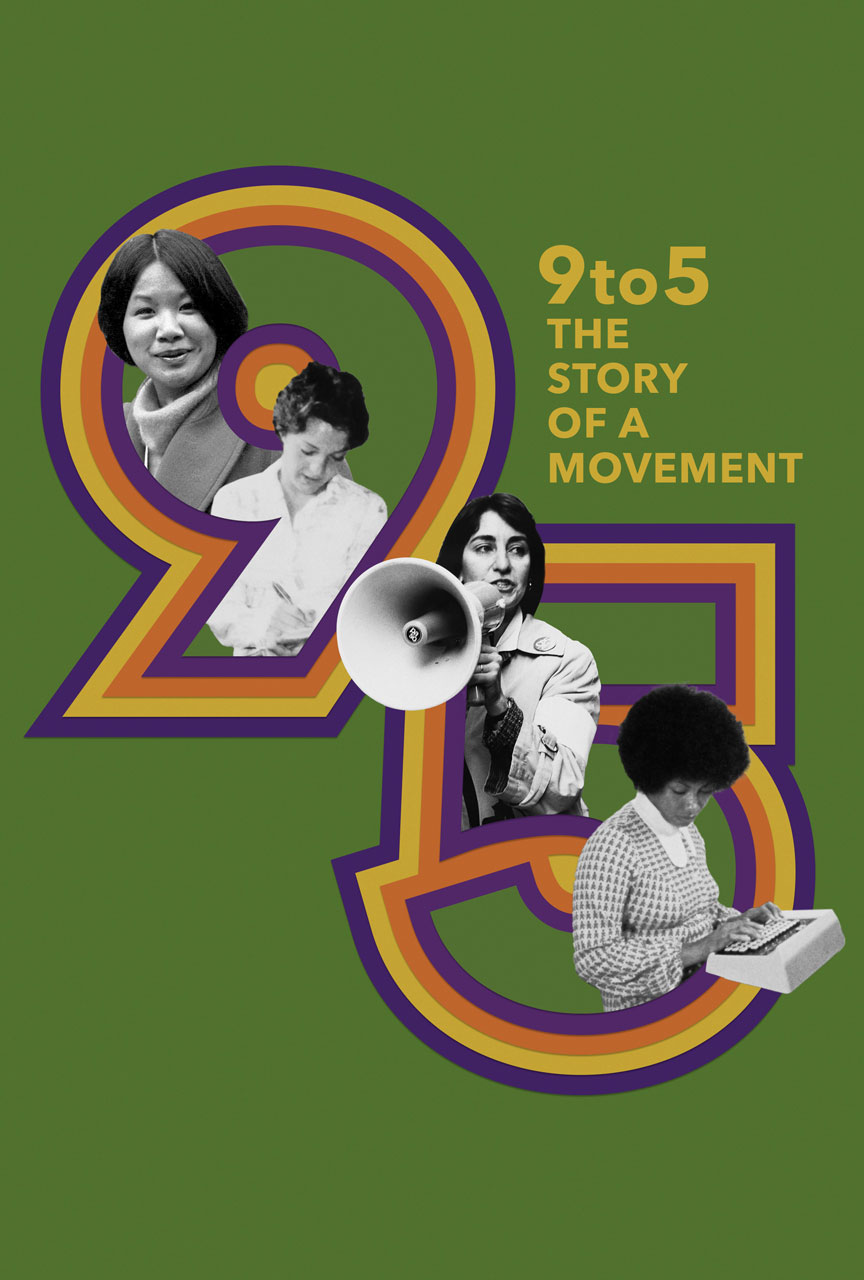
Before the musical, there was a TV show. And before the TV show, there was a movie. And there is a reason why the “9 to 5” movie was a cult classic hit during the 1980s.
"9 to 5" is a classic comedy film released in 1980 directed by Colin Higgins, written by Patricia Resnick, and starring Jane Fonda, Lily Tomlin, and Dolly Parton. The film proved to be a box office sensation earning $3.9 million during its opening weekend.
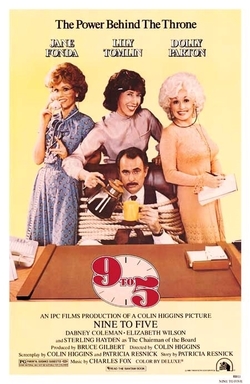
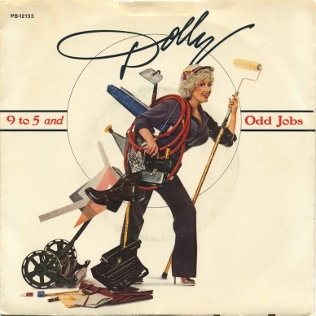
Jane Fonda approached Dolly Parton to star in her upcoming film "9 to 5". Despite lacking prior acting experience, Parton agreed to take on the role of Doralee under the condition that she could write the theme song. A deal was quickly made.
Because the film was a huge hit, a sitcom was created to be based on the film. Unforunately, the show encountered many problems and ended up being cancelled after a couple of revamps and a drastic decline in views. The show only aired from March 25, 1982 to October 27, 1983 and again in September 13, 1986 to March 26, 1988.
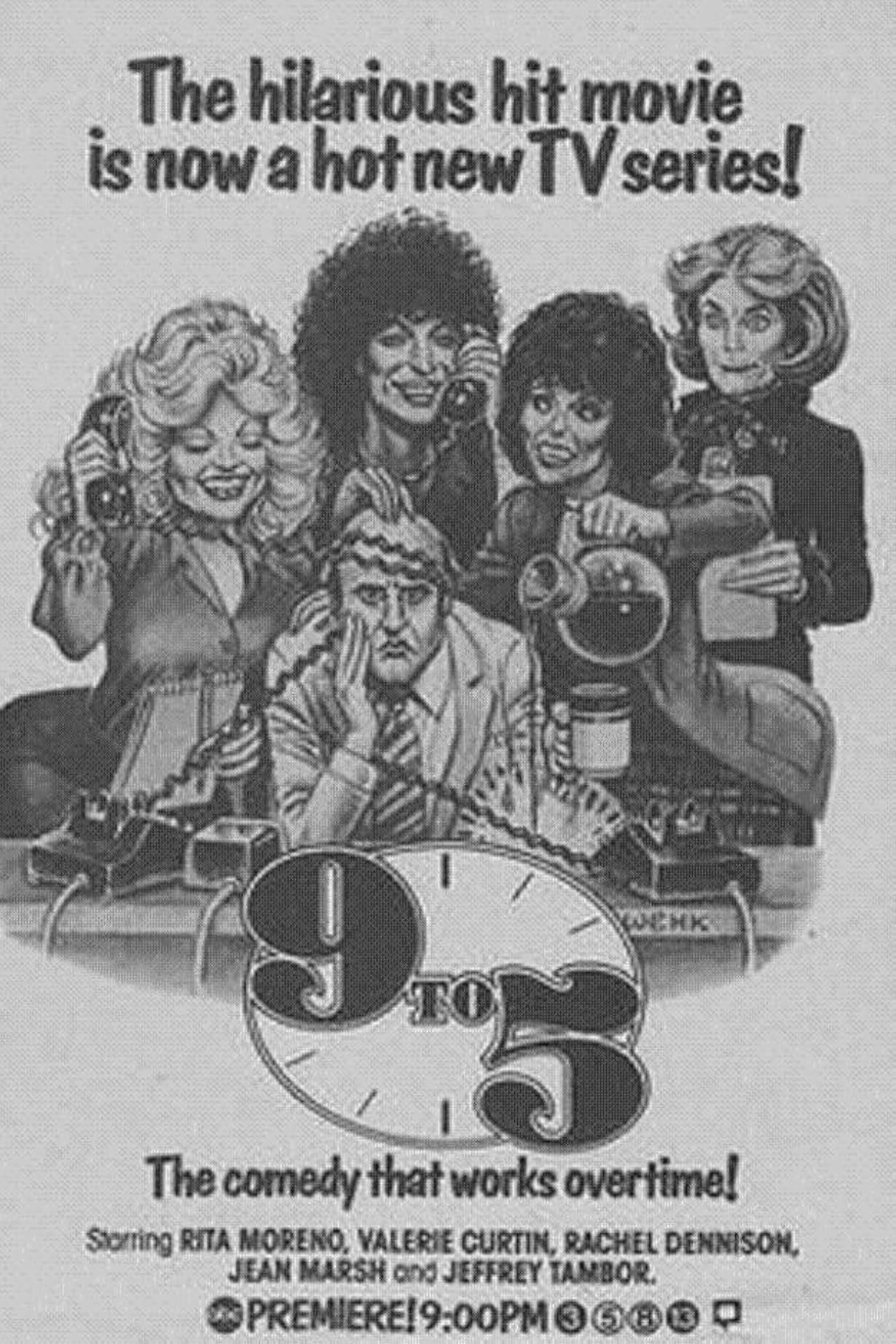
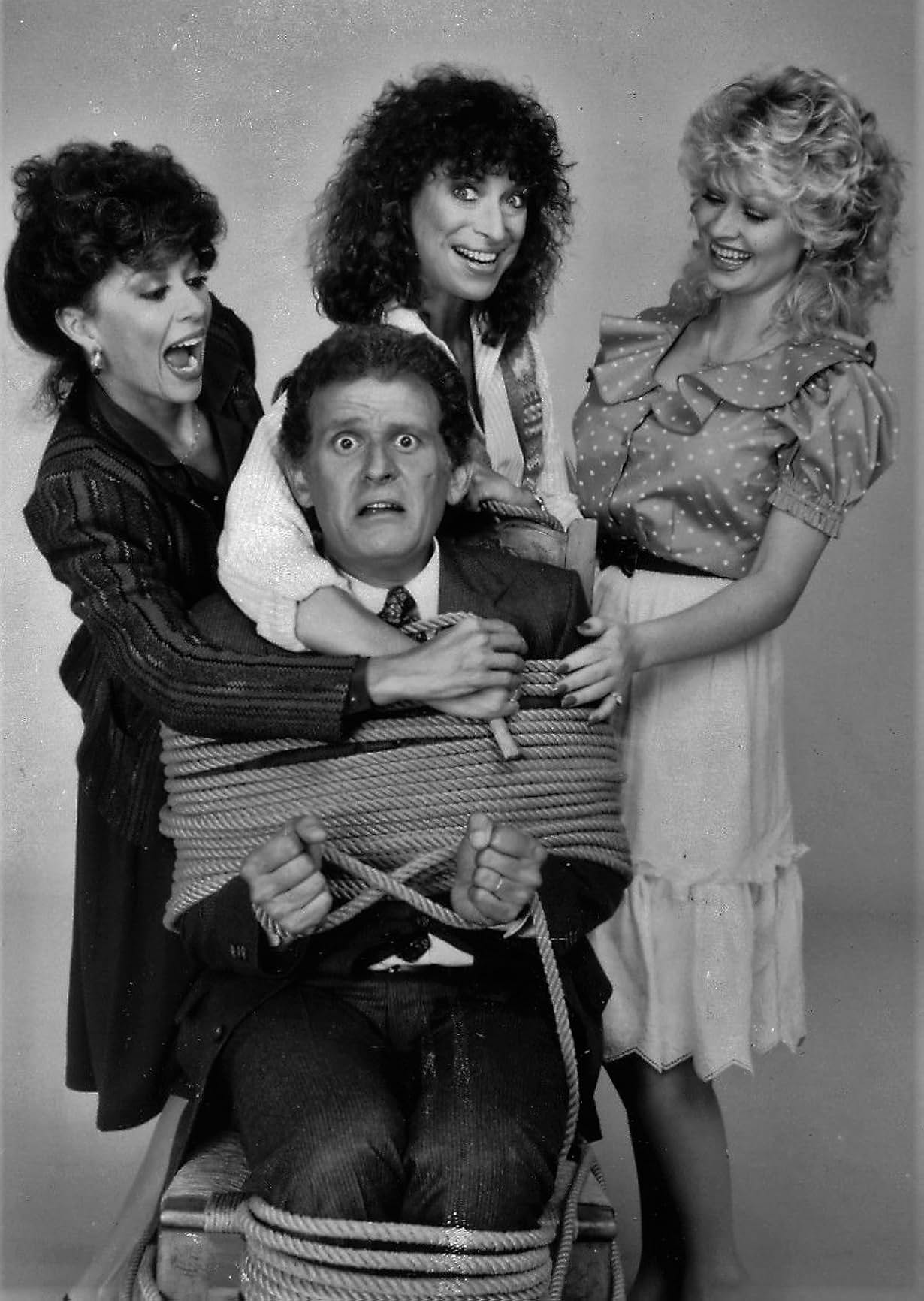
The first season introduced the sitcom version of Violet, Doralee, and Judy as employees at Consolidated Companies adjusting to corporate life while constantly clashing with their pompous, sexist boss. Unlike the film, which centers on kidnapping the boss and temporarily taking over the office, Season 1 focused on more grounded, episodic workplace conflicts like unequal pay, lack of promotions, office gossip, corporate rules, and the everyday frustrations of being underestimated.
The tone leaned into traditional early-’80s sitcom structure: standalone episodes built around misunderstandings, schemes to prove competence, and the trio outsmarting management.
Season 2 marked a noticeable shift. After constant cast changes and plot changes, the season leaned more heavily into workplace power dynamics, promotions, and the women pushing back against corporate bureaucracy rather than simply reacting to it.
The storylines became slightly more progressive and issue-driven, tackling equal opportunity, management restructuring, and the evolving roles of women in business during the 1980s.


Season 3 continued the show’s evolution from simple workplace sitcom into a more character-driven ensemble comedy before it was cancelled.
The series leaned less on a single “sexist boss vs. the girls” formula and more on office politics, promotions, romantic entanglements, and shifting power dynamics within Consolidated Companies.
Season 4 showed significant change from the previous three season. For one, Violet's character was gone, and the show added a new character, Martha. Secondly, the plot focused on an ensemble of characters rather than just the trio. Lastly, the series was less about simply battling one outrageous boss and more about navigating the broader corporate machine at Consolidated Companies.
The humor focused on office restructurings, shifting management styles, company politics, and the constant juggling of career ambitions with personal lives.


The final season focused heavily on office shake-ups at Consolidated Companies like management changes, corporate restructuring, and shifting power dynamics.
Compared to the early seasons, Season 5 leaned more into character-driven plots, romantic complications, misunderstandings, and office hijinks rather than overt commentary on workplace sexism. The trio’s friendship remained the emotional anchor, but the tone was lighter and more conventional as the series wrapped up its run in 1988.

Violet Newstead is the sharp-witted, no-nonsense senior employee at Consolidated Companies who knows the office better than anyone — and is painfully aware that she deserves far more recognition than she receives. Divorced and a working mother, Violet carries the weight of responsibility with competence and dry humor, often acting as the grounded, practical leader of the trio.
Violet represents the seasoned professional woman who has paid her dues and refuses to be sidelined. At her core, she is pragmatic, protective, ambitious, and determined to prove that competence should determine leadership.
Doralee Rhodes is the warm, big-hearted, and underestimated secretary at Consolidated Companies. With her Southern charm, bright personality, and glamorous appearance, she is often misjudged by coworkers who mistake sweetness for naivety. In reality, Doralee is intelligent, capable, and far more perceptive than people give her credit for.
Doralee represents the woman who refuses to let others define her. She brings emotional balance to the group and reminds the others that strength does not have to be loud or harsh to be powerful.


Judy Bernly is the optimistic, good-hearted newcomer to Consolidated Companies who enters the workforce after her husband leaves her forcing her to support herself for the first time. Initially inexperienced and unsure of her place in the corporate world, Judy often serves as the audience’s point of entry into the office’s politics and absurdities. She is sensitive, polite, and sometimes naïve.
Judy represents the woman redefining herself after divorce, discovering the strength she never knew she had, and building both career and chosen family through her friendship with Violet and Doralee.
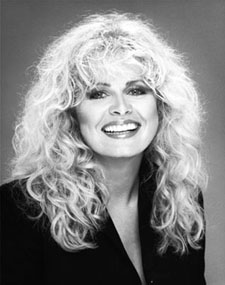
Martha McMurray Shrimpton joins the series in its syndicated run as a sweet, somewhat ditzy but well-meaning member of the office ensemble. After cast changes reshaped the trio dynamic, Martha effectively becomes part of the core female friendship circle alongside Doralee and Judy.
Martha brings bubbly enthusiasm and comedic innocence. She can be scatterbrained, overly dramatic, and occasionally clueless about office politics, but she is never malicious. Her heart is always in the right place. Martha is eager to belong, quick to offer support, and deeply loyal to her friends.
When "9 to 5" premiered on ABC in 1982, it was riding the popularity of the 1980 film. The network positioned it as a workplace comedy with built-in brand recognition, centering on three women navigating corporate life at Consolidated Companies.
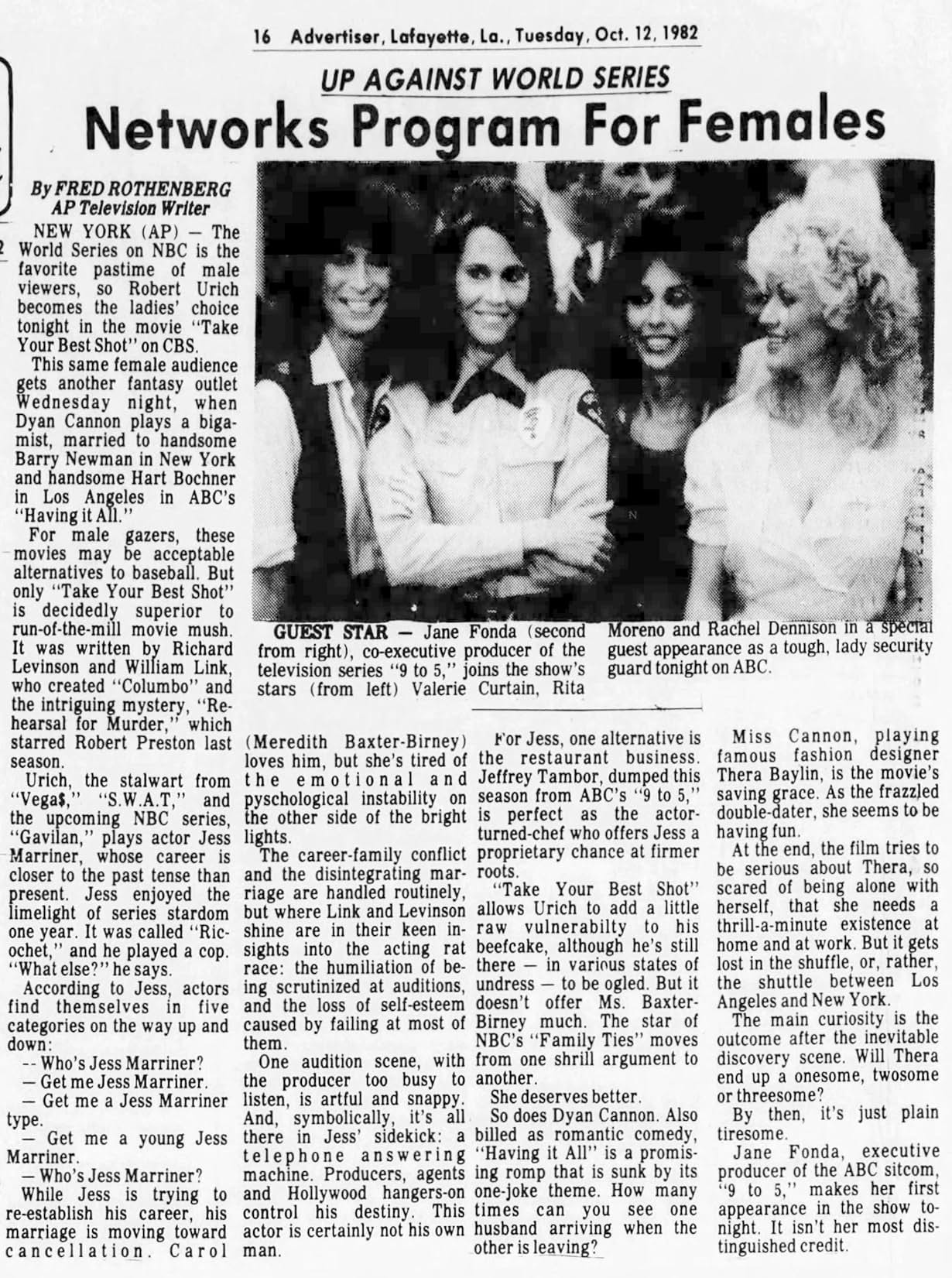
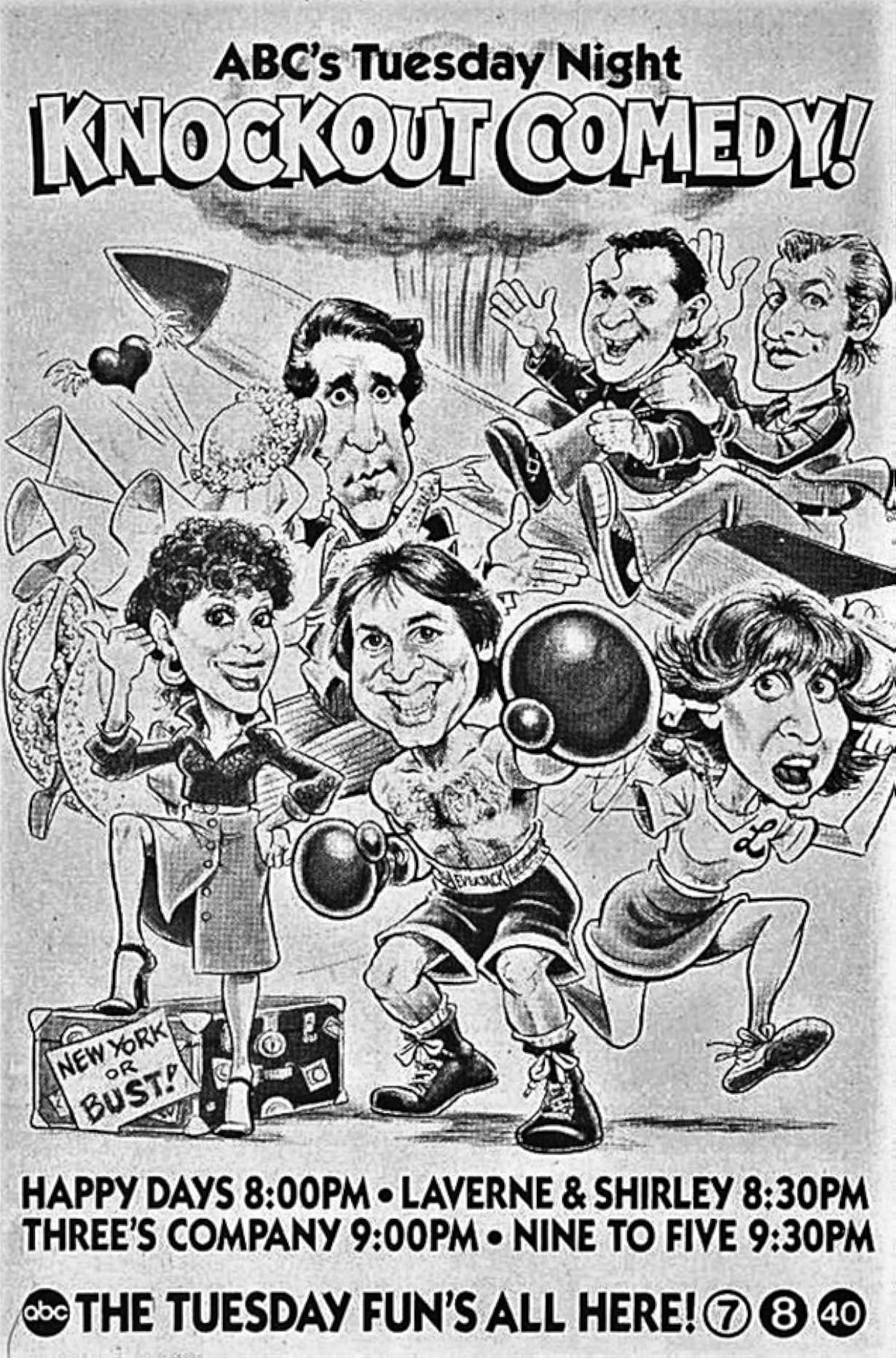
When "9 to 5" premiered on ABC in 1982, it was riding the popularity of the 1980 film. The network positioned it as a workplace comedy with built-in brand recognition, centering on three women navigating corporate life at Consolidated Companies.
However, the series went through a number of constant changes as the production team couldn't decide on what the show needed to be. Jane Fonda and Burce Gilbert, the geniuses behind the popular "9 to 5" film, were executive producers on the show, but they couldn't find common ground with the other members in the team.
However, the first season proved to be successful as it ranked at #15 in the charts despite all the changes. One of the biggest changes was the actor for Franklin Hart's character. At first, Jeffrey Tambor played the part before the role was the given to Peter Bonerz. Furthermore, the characteristics of Violet, Judy, and Doralee were portrayed more lighthearted and silly compared to the film, and the character of Hart was written to be more incompetent and stupid.
By season 3, however, viewership went down drastically, and Fonda and Gilbert left the show over the direction of the show. So, producer James Komack was brought on to try and salvage the show. He added even more changes to the story than the previous 2 seasons did.
Judy Bernly was written out and replaced by a brand new character named Linda Bowman who became roommates with Violet and Doralee. He dropped Roz's character as well, and changed the location of the company from Consolidated Companies to American House.
Despite these changes, the revamp caused an instant decline in ratings. The show fell to be the 75th best out of 76 shows. Seeing this, ABC cancelled the series after five episodes into the third season with two episodes remaining unaired.
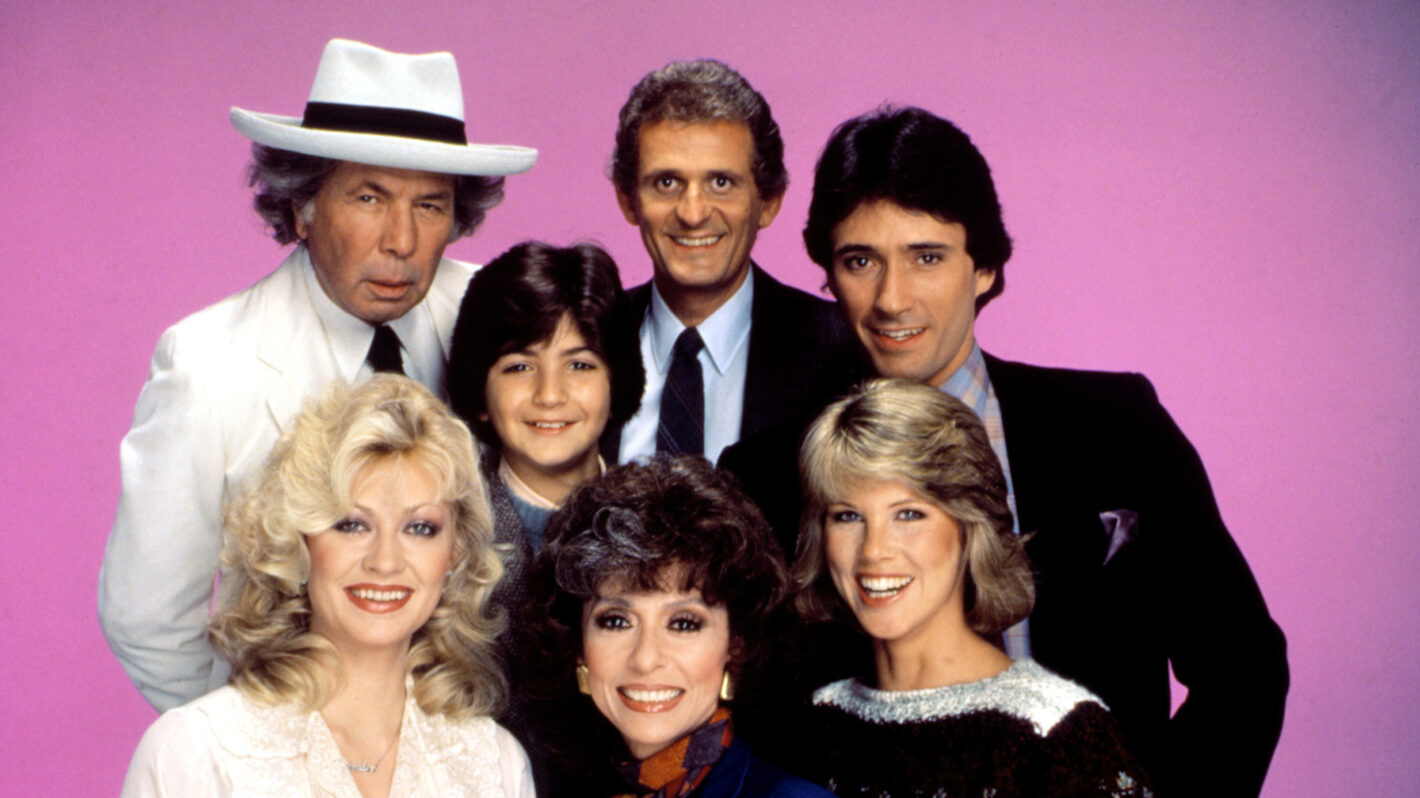

A couple new team of producers revamped the show. The company was changed again to a company called Barkely Foods International, and while Judy Bernly and Doralee Rhodes was back, Violet Newstead was replaced by another brand new character Marsha McMurry Shrimpton. Furthmore, Franklin Hart's character was removed from the story and replaced by a new boss named Sharmin Cunningham. Meanwhile, the story focused less on the main women and fighting against a sexist environment and more on a ensemble of characters trying to get by day to day corporate life.
This continued onto season 5 although the new boss Cunningham was replaced again with a new boss named Vice President of Sales E. Nelson Felb. But like in the ABC run, the show didn't have even viewers to watch the show, and the series ended in 1988.
During its ABC run (Seasons 1-3, 1982-1983), the show operated within traditional network constraints:
On ABC, the series leaned more directly into the film’s feminist workplace satire roots. Storylines frequently revolved around:
Because it was on a major network, tone and structure were tighter. Episodes often had clearer moral framing and sharper thematic focus. However, ratings were inconsistent, and despite a loyal audience, ABC canceled the show after its third season.
Rather than ending entirely, "9 to 5" was revived in first-run syndication beginning with Season 4 (Season 4-5, 1986–1988). This meant it no longer aired on a single network but was sold directly to local stations across the country.
This shift significantly changed the show’s creative environment:
The pointed feminist edge of the early ABC seasons became less central. Workplace inequality themes didn’t disappear, but they weren’t always the driving force of each episode.
The series leaned more into traditional workplace sitcom rhythms—romantic subplots, personality clashes, misunderstandings, and recurring office antics. Supporting characters gained more prominence.
The comedy became slightly broader and less issue-driven. The syndicated seasons feel more in line with late-’80s ensemble workplace sitcoms than early-’80s feminist satire.
Instead of centering systemic critique, later seasons emphasized character consistency and interpersonal dynamics. The trio’s friendship remained the heart of the show, but the cultural commentary softened.
ABC era = sharper workplace feminism with network structure.
Syndication era = broader ensemble comedy with lighter social bite.
The production of the series "9 to 5" is an example of how distribution platform shapes storytelling.
In short, the show evolved from a somewhat pointed workplace satire inspired by a feminist film into a broader, character-driven ensemble comedy designed for longevity and mass accessibility.
Violet Newstead, Doralee Rhodes, and Judy Bernly each bring distinct strengths to the story, and their strengths complement each other, leading to their success in taking down their sexist boss and improving the workplace.
The characters navigate environments filled with mistreatment and unwanted sexual advances from male superiors.
The show emphasizes the difficulty of making a living, being overlooked for promotions, and fighting against unfair pay.
Violet, Judy, and Doralee's friendship is the core of the film. At first, they don't trust each other. Violet sees Judy as naive, and both she and Judy wrongly judge Doralee based on workplace gossip. But, as they bond over their shared struggles, they become a powerful team that challenges the system and wins.
The series functioned as a fantasy for overworked, underpaid employees to take control from awful bosses.

After much back and forth, the film was finally adapted into a musical written by Patricia Resnick and music/lyrics done by Dolly Parton. It ran for 24 previews and 148 performances with mixed reviews but garnered many fans.
I hope you learned something new! Check out some of my other blogs and learn more about the world of musical theatre 🙂 See you later!
Unforuntately, no. The TV show is not available in any streaming platforms, and it is incredibly difficult to find any episodes of the tv show online.
You can find a couple of episodes here and there on YouTube or Internet Archive.
There are no DVDs or Blu-rays of the show.
Rita Moreno as Violet Newstead, Valerie Curtin as Judy Bernly, Rachel Dennison as Doralee Rhodes, and Sally Struthers as Marsha McMurray Shrimpton.
Dolly Parton's sister, Rachel Dennison, play Parton's role as Doralee Rhodes in the tv show "9 to 5".


