DISCOVER THE WORLD OF MUSICAL THEATRE WITH ME
DISCOVER THE WORLD OF MUSICAL THEATRE WITH ME


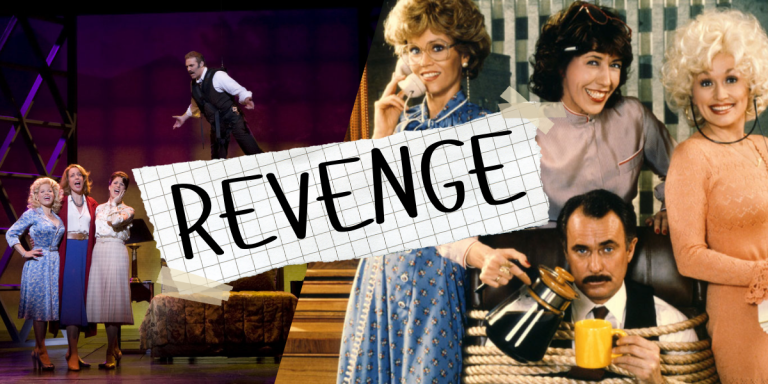
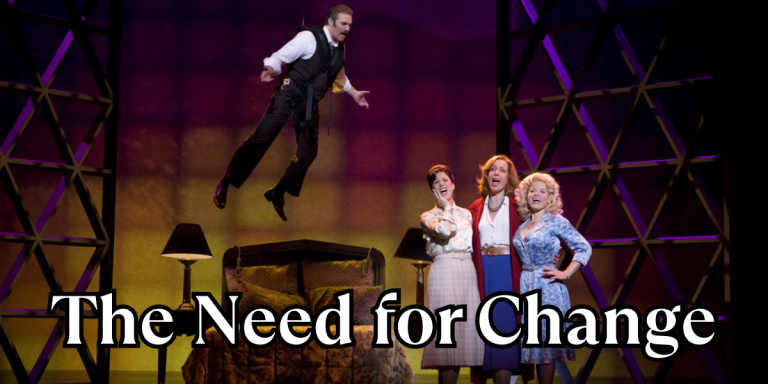
Before the musical, there was a TV show.
And before the TV show, there was a movie.
And before the movie, there was history.
There is a reason why “9 to 5” was and is a cult classic hit.
In America, during the 1970s and 1980s, women encountered discrimination alongside a widening pay gap. According to the US Census data, from the 1960s through the 1970s, women consistently earned between 57 to 61 cents for every dollar earned by men. Moreover, there was a significant advocacy movement for the ratification of the Equal Rights Amendment.

Because, during this time, there was an increasing number of women joining the workforce. You would think this would be a good thing. Two-parent households had dual incomes. However, contrary to expectations, wages remained stagnant. The expenses for childcare and housing surged. Single women faced additional challenges, as many industries imposed an unofficial salary cap, essentially engaging in price-fixing practices regardless of their efforts and dedication.
In the 1980s, children with working mothers became increasingly common, representing more of a norm than an exception. Over a decade, the number of mothers with children under the age of 18 in the workforce surged dramatically, reaching over 17 million, a staggering 44 percent increase compared to 1970.
On top of that, many workplace behaviors and attitudes considered acceptable in the past would undoubtedly shock individuals born after 1980. Instances of outright harassment, racism, ableism, and ageism were pervasive.
Fun Fact: The film "9 to 5" drew inspiration from real life experiences of working women... with some embellishments of course XD.

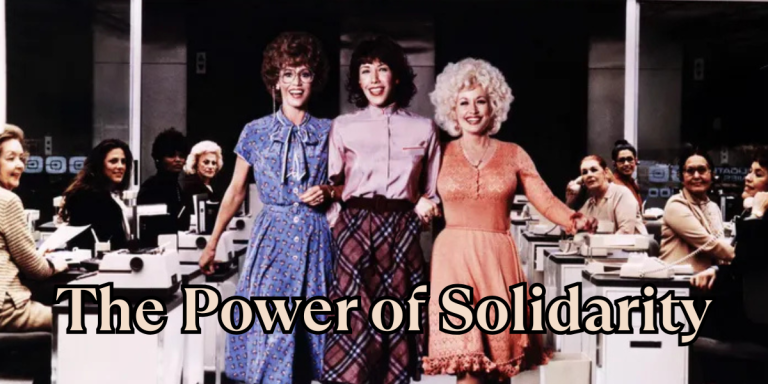
Working in the corporate world meant being in a situation with seemingly no prospects for improvement. However, the formation of the 9to5 union and the broader unionization efforts among women transformed this shared predicament into a tool for change. Despite the workplace often seeming like a game dominated by wealthy men, collective action demonstrated that they could alter the rules, and fortunately, they succeeded.

It was in 1980 that the Equal Employment Opportunity Commission (EEOC) issued guidelines explicitly stating that sexual harassment was unlawful. While sexual harassment was technically prohibited under the Civil Rights Act of 1964, it took nearly two decades for the EEOC to provide additional clarification under Title VII, which prohibits employers from discriminating based on race, color, religion, sex, or national origin.
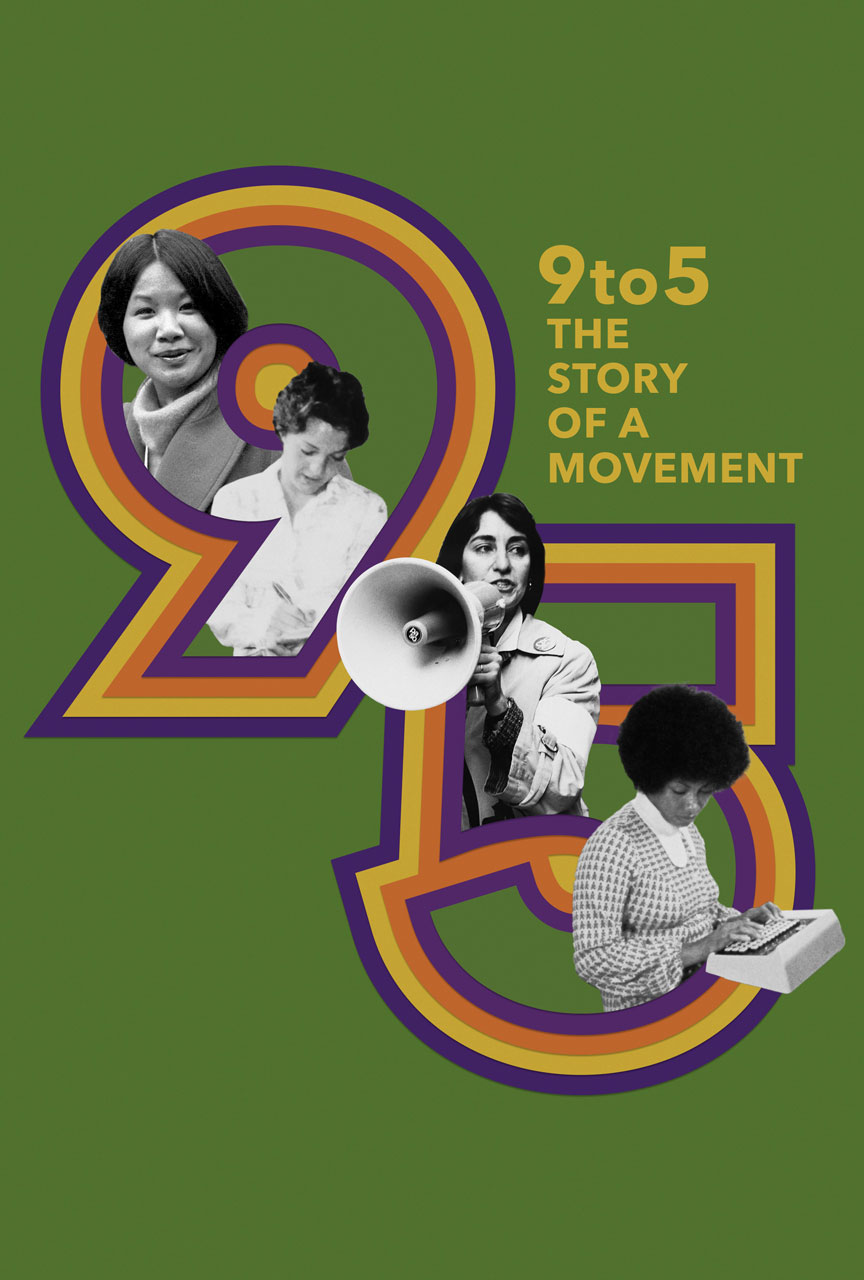
If you would like more information about this part of history, watch the documentary “9to5: The Story of a Movement”.
Before the development of this historic movement, the American government already passed some laws to eliminate sex-based discrimination in the workplace. These laws were the “Equal Pay Act of 1963” and the “Title VII of the Civil Rights Act of 1964.”

The “Equal Pay Act of 1963” or known as the EPA, is a law that prohibits employers from discriminating against other employers based on sex.
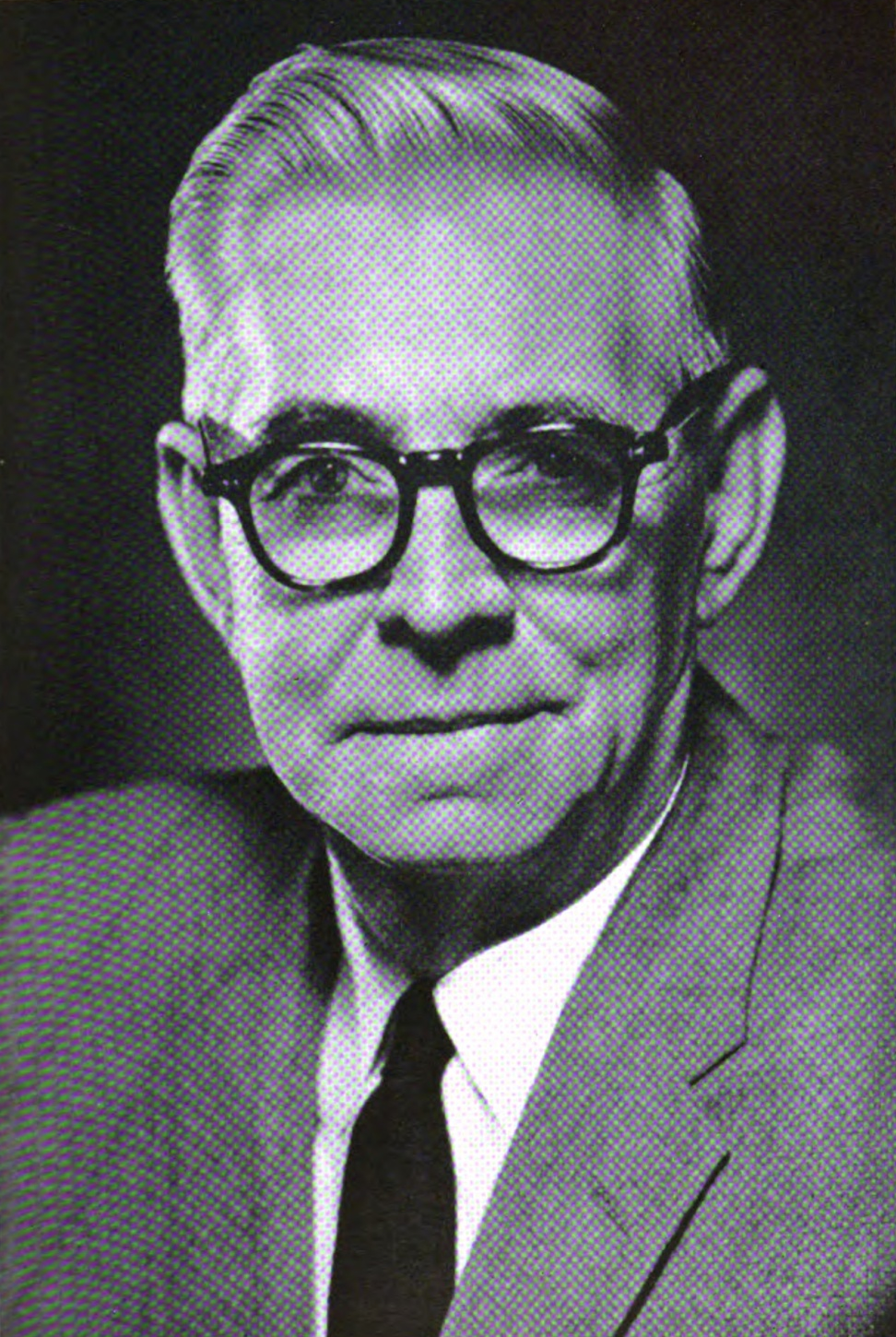
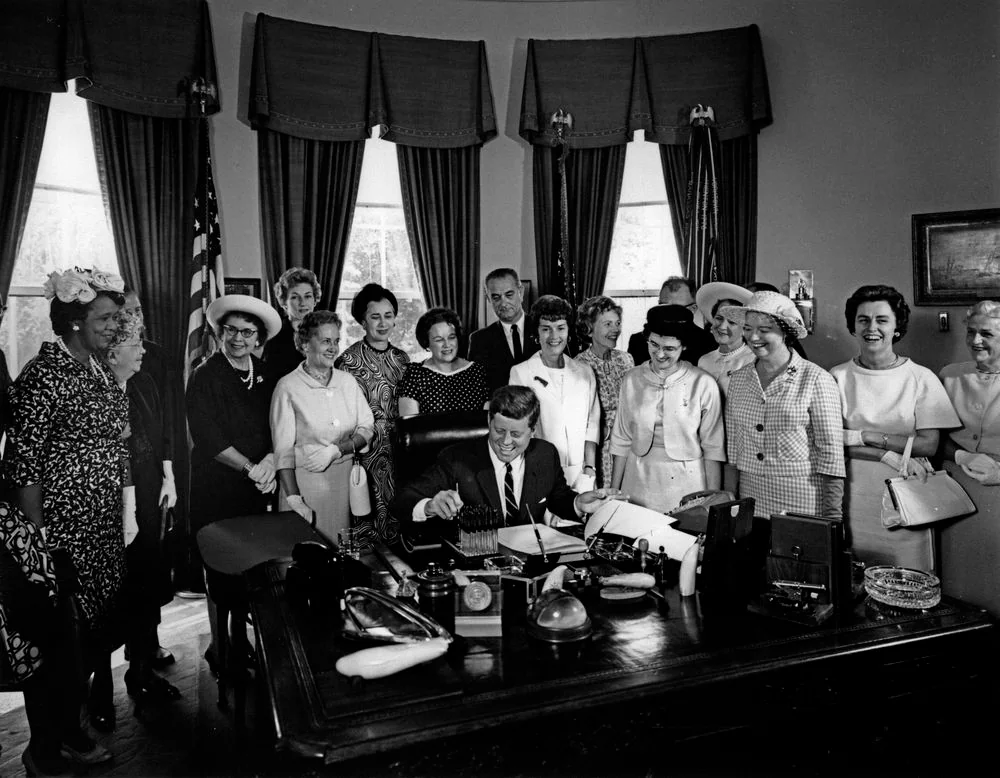
The EPA was introduced in the US Senate by Patrick McNamara and was signed into law by President John F. Kennedy on June 10, 1963. It’s purpose was to correct the wage gap, prevent labor disputes, to ensure labor resources are used to their full potential, and it gives the individual the right to file a claim in court under the EPA if they believe they have been paid unfairly.


The “Title VII of the Civil Rights Act of 1964” further prohibits employment discrimination based on race, color, religion, sex, or national origin. Its purpose was to prohibit discrimination based on stereotypes and assumptions about a person’s abilities or performance, make decisions excluding minorities, denying equal employment opportunity, and requires accommodations for employees with disabilities.
Once the Act was put in place, the U.S. Equal Employment Opportunity Commission or known as the EEOC, was created to prevent any unlawful employment discrimination. And just to note, the Title VII has been amended multiple times as the workplace has drastically changed since the 1960s.

However, despite these laws that took place, many work environments did not implement them into their workspaces. As a result, working women felt under appreciated, disrespected, and unseen.
Across America, women started gathering together to discuss their first hand experiences in the workplace. Many started to realize that they have all experienced some sort of misogyny and mistreatment from their bosses and decided to take action to fight against these issues.

Two of those women were Karen Nussbaum and Ellen Cassedy who decided to start a newsletter called “9to5: Newsletter for Boston Area Office Workers” to advocate for women rights.

Women that became members of the “Organization for Women Office Workers” gathered together to create a new bill to protect women office workers. This bill would be called the “Bill of Rights for Women Office Workers”, and it concluded the following rights:

Basically, the bill was to help clarify and map out the goals of the women’s movement. So, once it was draft in 1974, the members testified at the “Hearing on the Working Conditions of Women Office Workers” in Boston. This effort increased public awareness and legislative attention to the challenges women faced in the workplace.
Now, between the years 1973 to 1983, the “Organization for Women Office Workers” went through several different developments merging with different organizations to continue their goals.
They joined with the Service Employees International Union, or known as the SEIU, the nationwide labor union for office workers, which then created a sister movement called “Local 925”. This was created for the purpose to have a powerful social and political advocate for office workers. Particularly, “Local 925” created a way for women to obtain insurance and banking, to eliminate discriminatory pay, and promote unionization.

They also joined with “Cleveland Women Working” to create the “Working Women Organizing Project” to advocate equal pay and rights for women in the workplace while also doing research for the following:


By 1983, the organization was officially named “9to5, National Association for Working Women” headed by Karen Nussbaum from 1977 to 1993. It has evolved into the largest membership orgnization of working women in the United States.
After these victories, 9to5 focused on issues like automation, pay inequities, medical leave, racial discrimination, and sexual harrassment in the 1980s and 1990s.
And, to bring awareness to these issues, 9to5 published all kinds of fact sheets, newsletters, and books, established the Job Retention Project to assist office workers, staffs a Job Survival Helpline to give support to working women, and used the rise of television to draw attention to sexual harrassment cases in America.
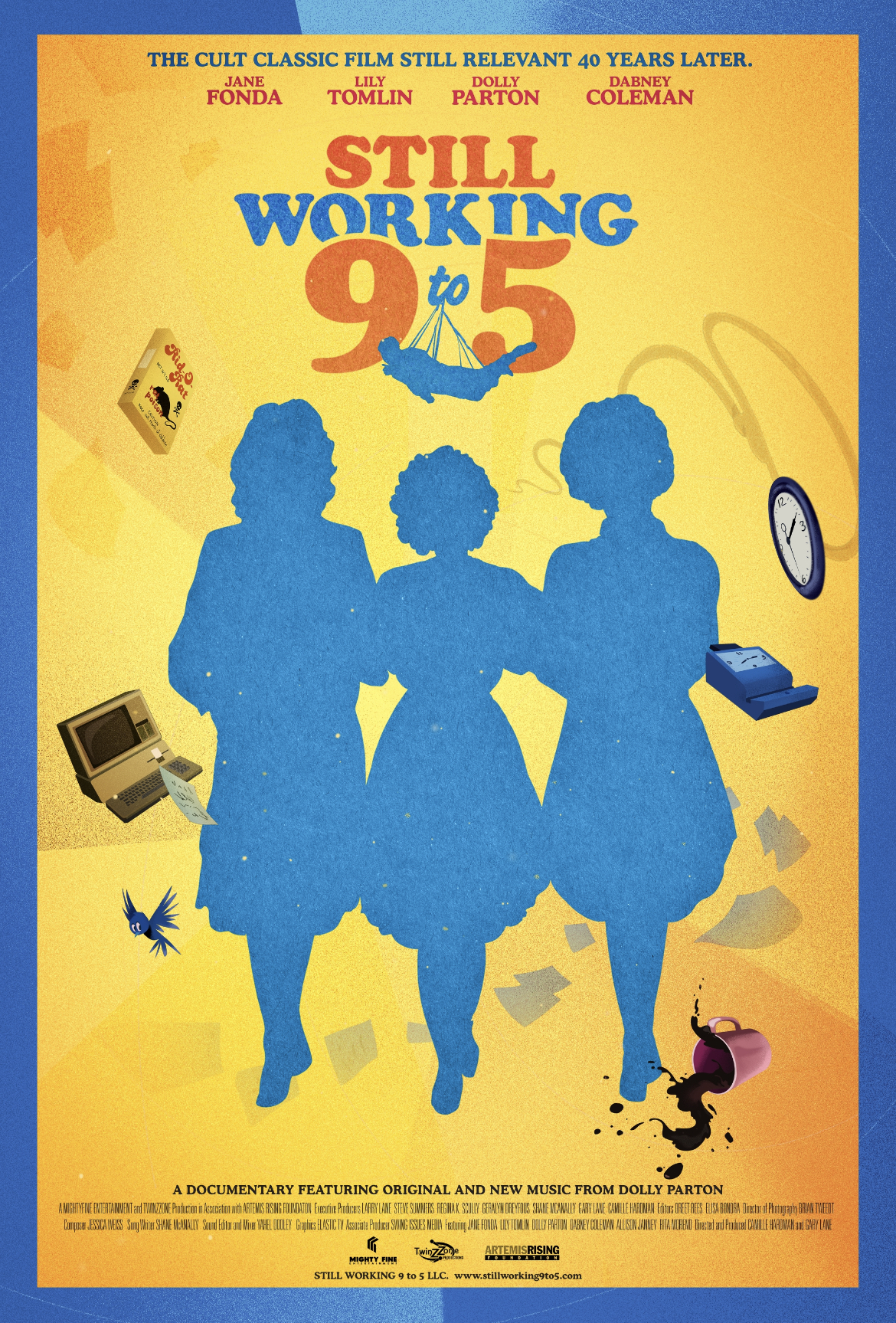
If you would like more information about this part of history, watch the documentary "Still Working 9 to 5".
Equal Pay Act of 1963 - a U.S. law prohibiting sex-based wage discrimination, requiring equal pay for men and women performing substantially equal work in jobs needing similar skill, effort, and responsibility under similar working conditions within the same establishment.


Key Ideas:
Title VII of the Civil Rights Act of 1964 - a federal law that prohibits employment discrimination based on race, color, religion, sex, and national origin, making it illegal for employers to fail to hire, discharge, or otherwise discriminate against individuals with respect to terms of employment due to these protected characteristics, and also banning retaliation for opposing such discrimination.
Key Ideas:


Patrick Vincent McNamara - An American politician. He was a Democrat and served as a United States senator from Michigan from 1955 until his death from a stroke in Bethesda, Maryland in 1966.
John F. Kennedy - He was the 35th U.S. President serving from 1961 to 1963. He was a charismatic Democrat known for inspiring the "New Frontier," establishing the Peace Corps, navigating the Cuban Missile Crisis, advancing civil rights, and promoting space exploration, but his presidency ended with his assassination in Dallas in 1963 making him the youngest person elected president and the youngest to die in office.
U.S. Equal Employment Opportunity Commission - It is an independent federal agency established by the Civil Rights Act of 1964 that enforces federal laws prohibiting workplace discrimination based on race, color, religion, sex, national origin, age, disability, or genetic information.


Key Ideas:
Karen Nussbaum - An American labor leader and cofounder of the women's labor organization "9to5" and the founding director of "Working America".
Ellen Cassedy - An author, American labor leader, and cofounder of the women's labor organization "9to5".

"9to5: Newsletter for Boston Aread Office Workers" - A newsletter launched in December 1972 by organizers Karen Nussbaum and Ellen Cassedy. It was a pioneering grassroots publication targeting clerical workers and aimed to unite women against workplace discrimination, low pay, and sexual harassment fueling the 1970s "9to5" working-class feminist movement.

Organization for Women Office Workers - Before being officially named "9to5", the organization went through several different names and developments as it grew and expanded to achieve their goals:
"Bill of Rights for Women Office Workers" - refers to a set of principles or proposed legislation aimed at ensuring equal opportunity, safety, fair compensation, and protection against discrimination and harassment in the workplace.
Key Ideas:


Hearing on the Working Conditions of Women Office Workers - In 1974, hearings and activism surrounding the working conditions of women office workers highlighted severe discrimination, including low pay, limited promotion opportunities, and harassment.
Key Ideas:
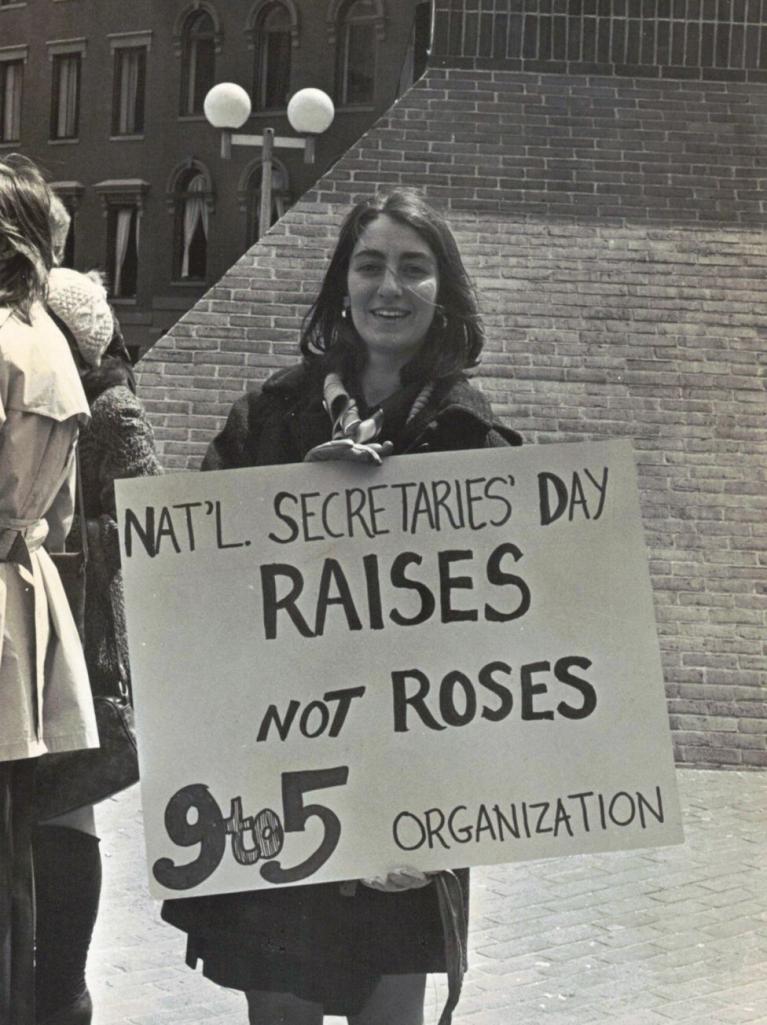
9to5, National Association of Working Women - A prominent U.S.-based, grassroots membership organization founded in 1973 dedicated to achieving economic justice and improving working conditions for women. It focuses on fighting workplace discrimination, harassment, and inequity through advocacy for fair wages, paid leave, and policy reform.
Key Ideas:

Job Retention Project - They are structured interventions designed to help individuals maintain employment, advance in their careers, and achieve self-sufficiency.
Job Survival Helpline - They are resources to provide legal, emotional, and practical support for workplace issues, including harassment, rights violations, and unemployment.
I hope you learned something new! If you want to learn more about "9 to 5", click here!
And while you're at it, check out some of my other blogs too and learn more about the world of musical theatre 🙂 See you later!
Please read the section "The Real History Behind 9 to 5" 🙂
Please read the section "The Real History Behind 9 to 5" 🙂
There are two documentaries you can watch that are available for buying or streaming: "9to5: The Story of a Movement" or "Still Working 9 to 5".
The second wave of feminism was happened in the 1960s to 1980s during the 9 to 5 movement.
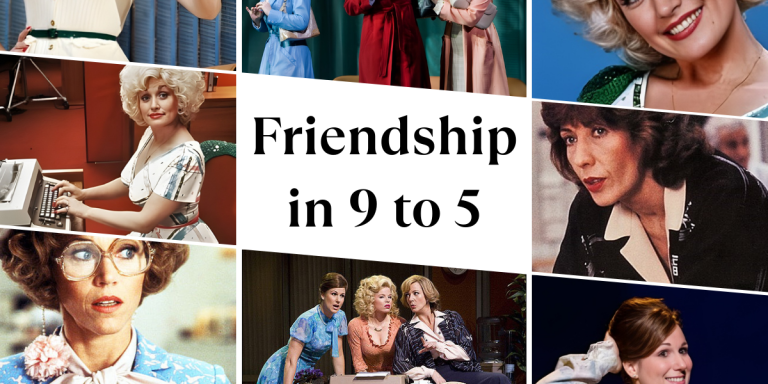
The film "9 to 5" was inspired by the women office workers who created the 9 to 5 movement during the second wave of feminism.